

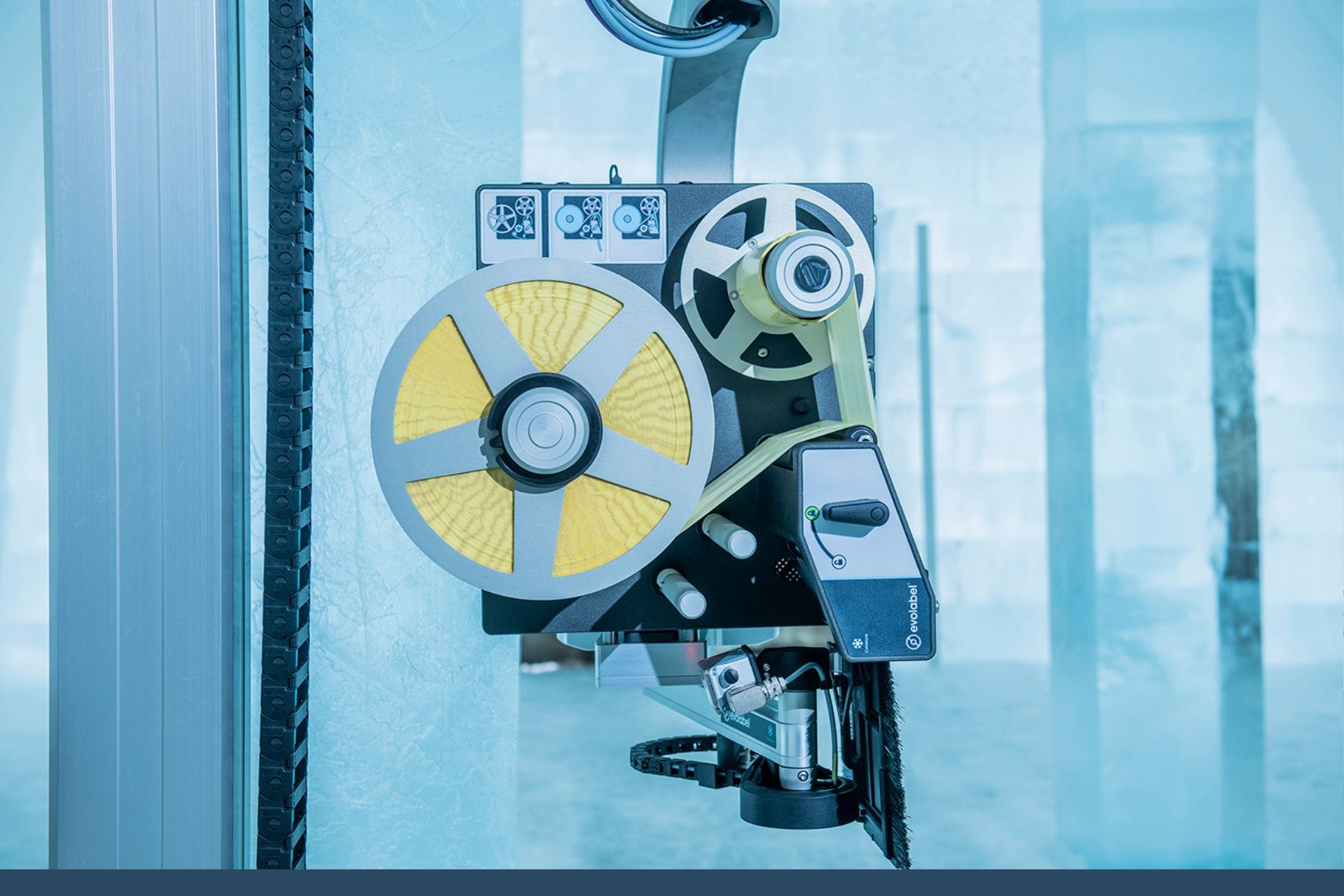
Automating cold store labelling is a transformative step for logistics and food manufacturing. By integrating specialist sub-zero print and apply systems, facilities can maintain seamless productivity, accuracy and operational safety – even in the most demanding environments.Not only can implementing specialised sub-zero print and apply systems allow logistics and food manufacturing facilities to protect floor operators from extreme temperatures, they can significantly reduce equipment downtime and enforce strict traceability across the entire cold chain.

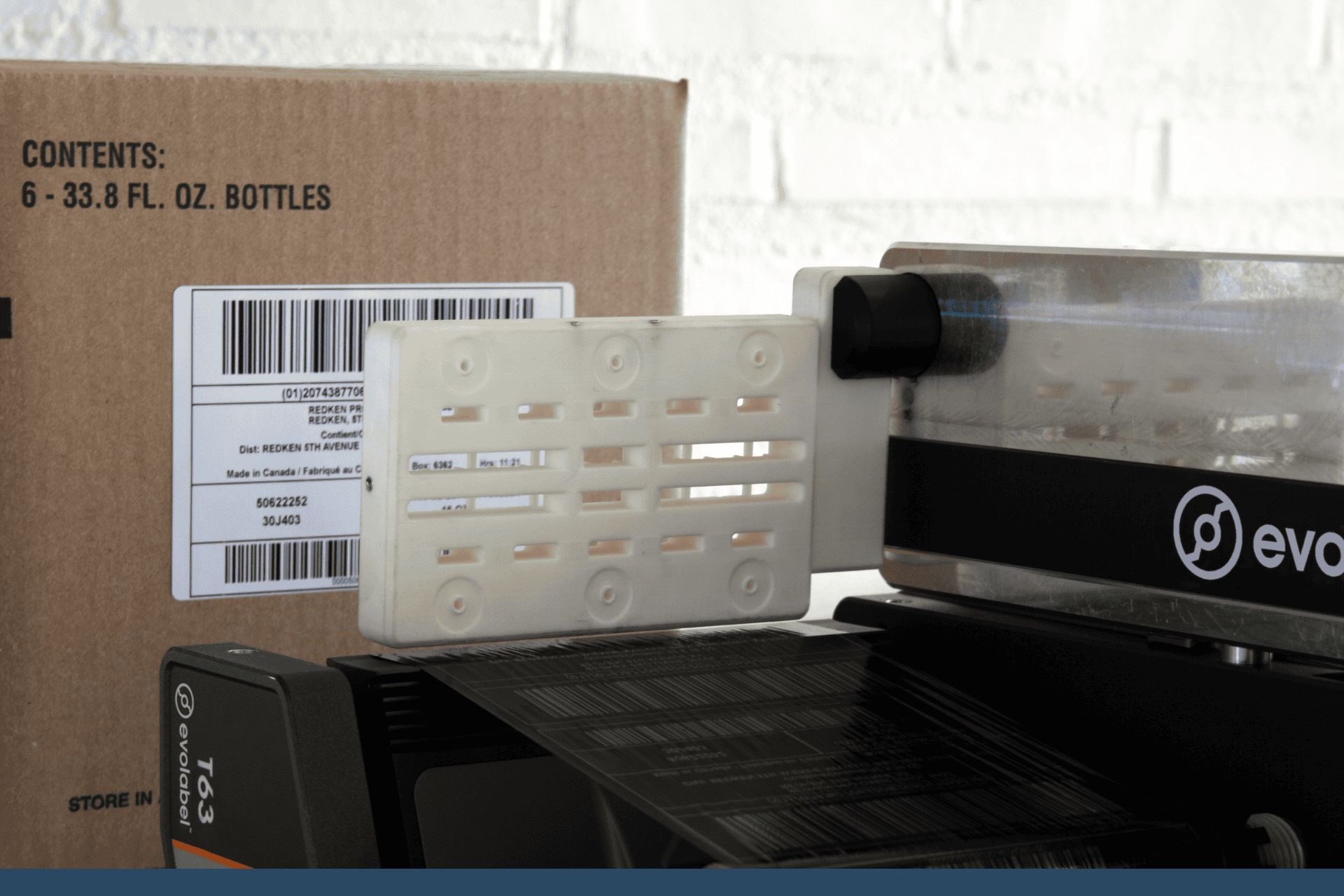
If businesses want to remain competitive, they have to streamline their operations, reduce downtime and deliver products faster – without compromising on quality. How? By embracing frictionless production, a concept that involves implementing seamless workflows and optimised processes to minimise delays.A key part of achieving frictionless production is addressing common bottlenecks, of which labelling is often one. When labels are misaligned, incorrectly printed or applied wrongly, it causes delays, and these delays disrupt production flow and impact efficiency.This is where automatic print and apply labelling systems come in. By eliminating errors and speeding up application, they play a key role in achieving frictionless production.

The packaging and labelling industry could see a raft of changes as we head into 2025, as regulations change, businesses continue to look for ways to reduce costs, and consumers demand greater transparency and sustainability.In this blog, we’ll look at some of the potential legislation changes that lie ahead as well as examine how manufacturers can use automatic labelling to remain compliant.
Whatever industry you’re working in, from retail to manufacturing to logistics, there’s a high chance you rely on barcodes or other forms of labelling in some way. Whether it’s to ensure the traceability of goods, maintain food safety standards or manage your inventory, labels and the information they contain can be key to keeping things running smoothly.It’s therefore vital that your labelling processes are accurate and efficient, and that’s why businesses are increasingly undergoing ‘labelling makeovers’ to overhaul their old or outdated equipment and methods and bring them up to date.But how do you know when it’s time for a makeover?
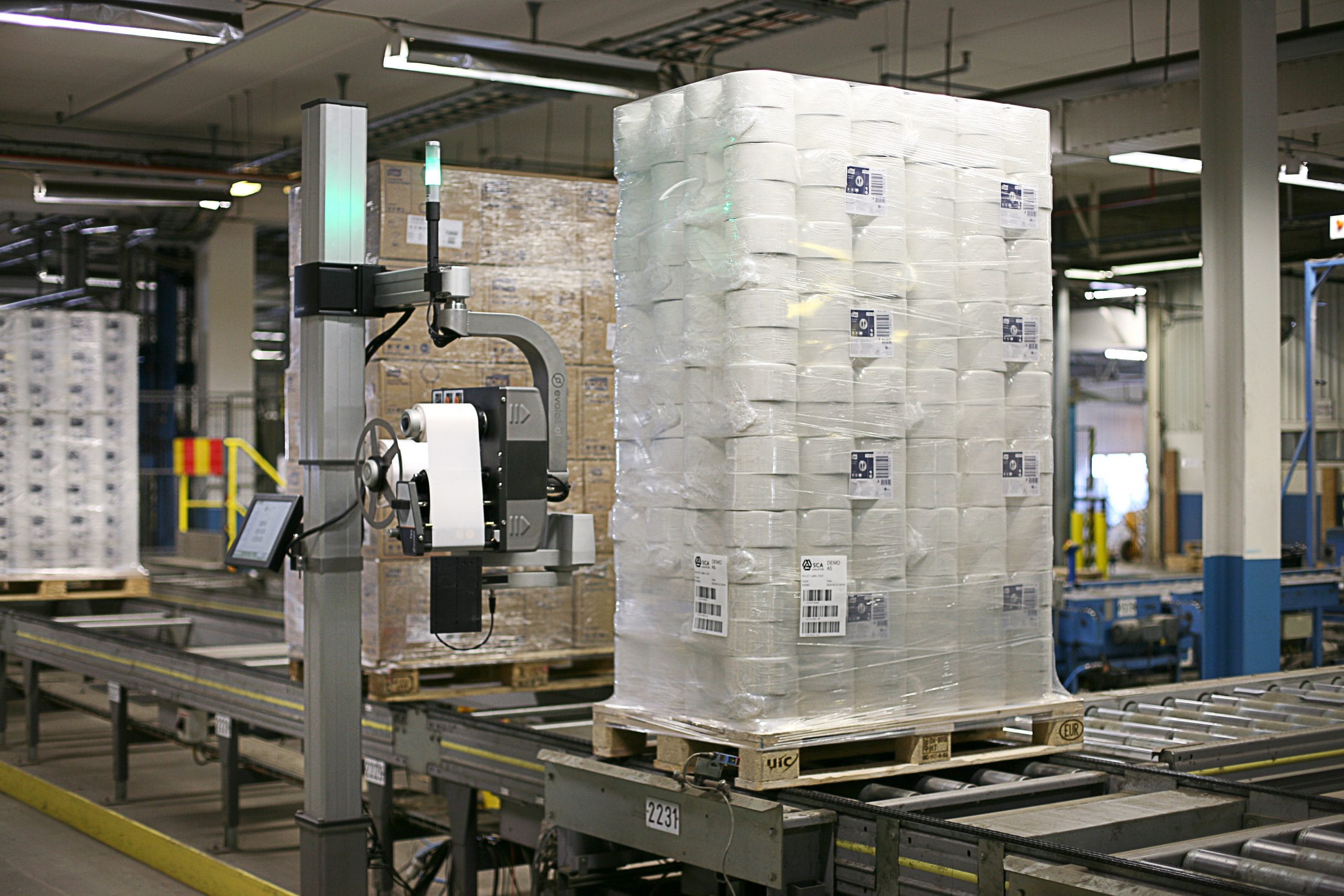
Industrial Labelling Systems (ILS) transformed the working conditions and boosted efficiency at a cold storage facility belonging to one of the world’s leading logistics companies, after installing an automated pallet labelling solution to replace manual handling.
Industrial Labelling Systems Ltd (ILS) has introduced FlexWipe, a new, versatile automated pallet labelling solution for the UK food industry which can boost operational efficiency by performing equally well at minus 20 degrees Celsius as at normal room temperature.
As automation has swept through product and pallet labelling, it could be argued that some firms and their employees have been left out in the cold – hand labelling pallets in extreme conditions where temperatures have to be down at minus 20 degrees Celsius. Many pallet labelling machines struggle to cope at such temperatures and the harsh conditions prevent food companies from working at maximum efficiency.
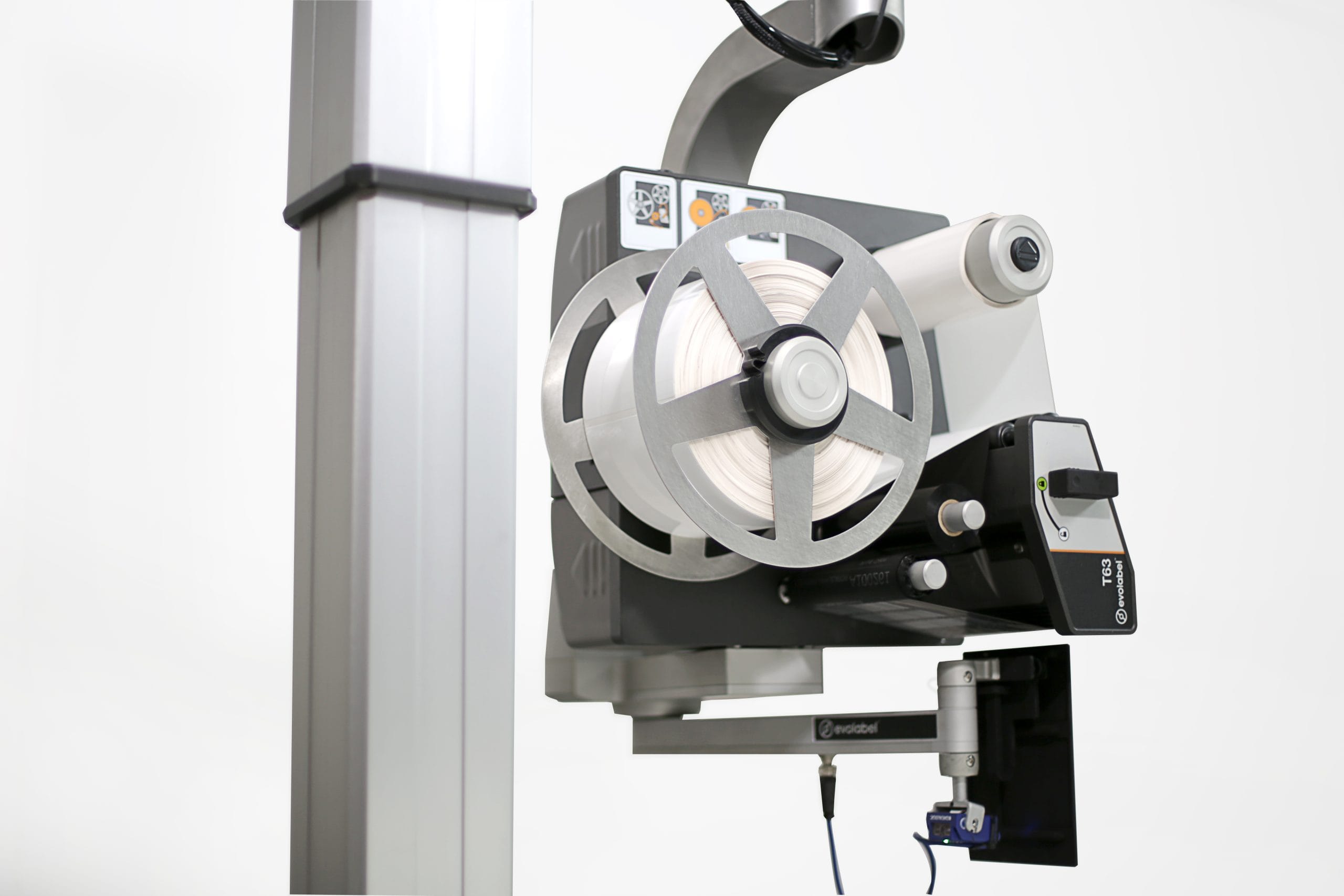
ILS FlexWipe meets growing demand for, safe, reliable pallet labelling – no matter what the temperature.