
Reliable, fit-for-purpose labelling systems are invaluable in pharmaceutical production environments, where inaccurate or insufficient labelling can lead to quarantined stock, rework and distribution delays. Accurate and appropriate labelling is also essential for maintaining patient safety.
Implementing automated labelling systems ensures that every unit meets exact specifications without slowing down the production line, mitigating many of the risks that are associated with manual labelling processes.
In this article, we explore how automated print and apply systems address the challenges of labelling in pharmaceutical settings and help to futureproof facilities against evolving healthcare standards.
Automated Print and Apply for Consistent Pharma Labelling
In an industry where even the smallest labelling error can have life-altering consequences, accuracy and consistency is of the highest priority. In addition, pharmaceutical manufacturers in the UK are governed by strict regulations that necessitate accurate, readable and consistent labelling of pharmaceutical products.
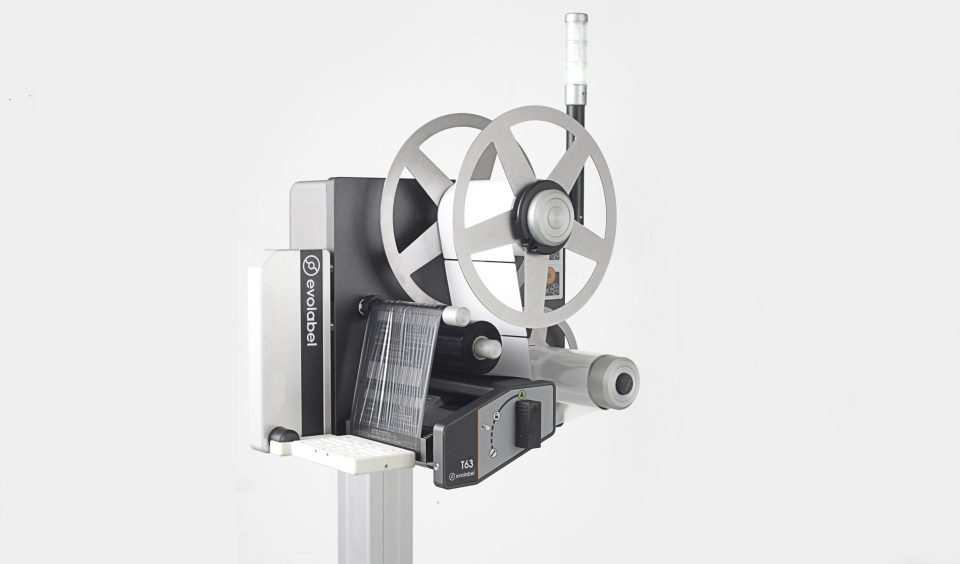
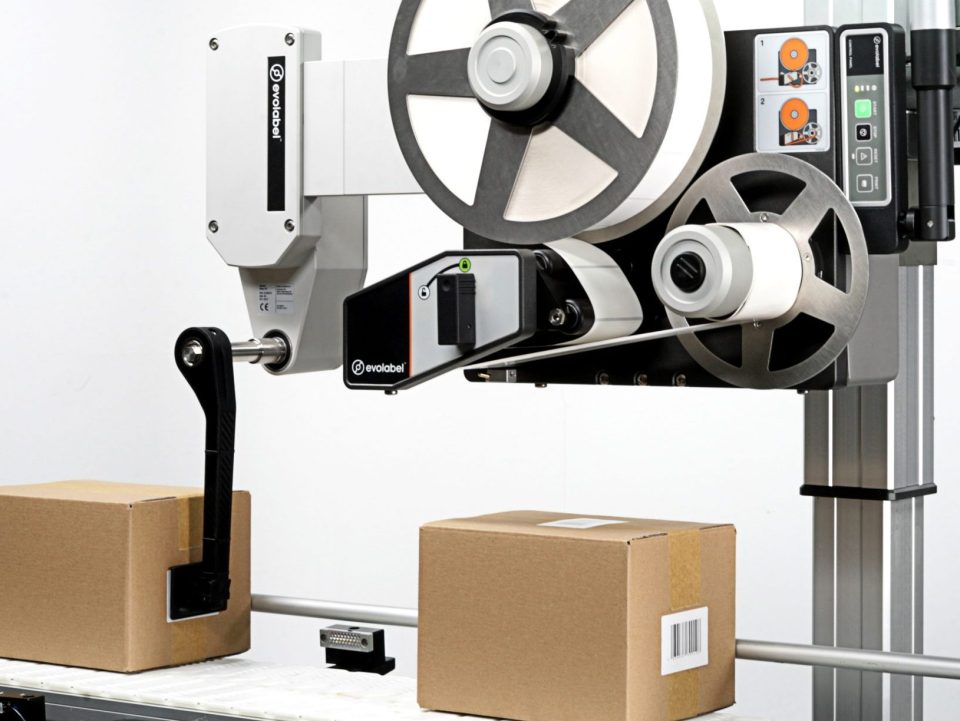
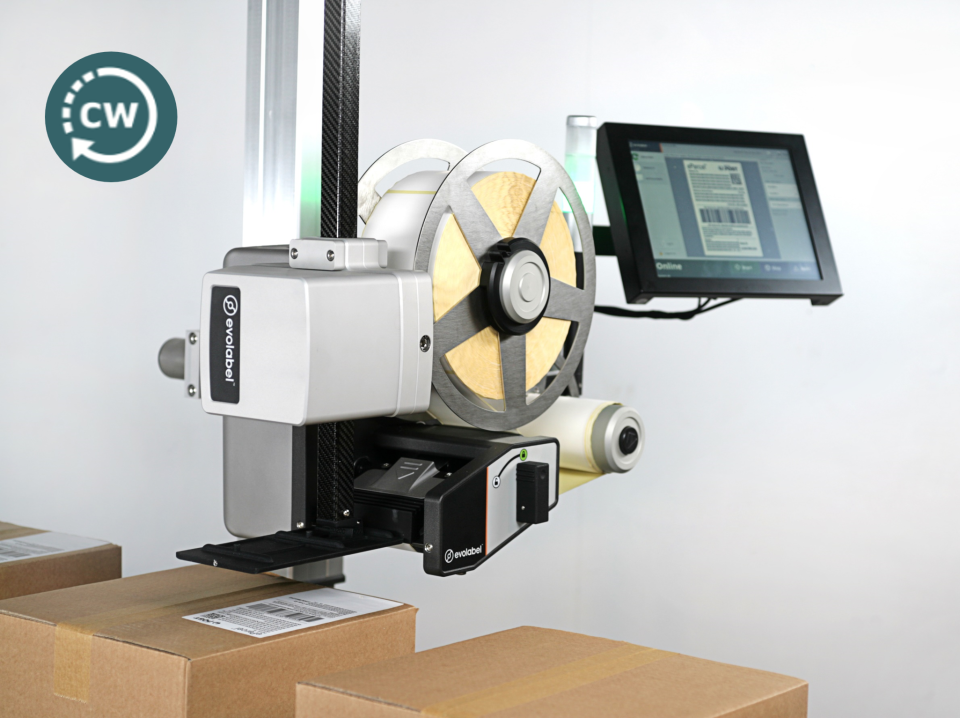
Print and apply systems combine on-demand printing with automated label application, helping manufacturers control what’s printed, where it’s applied, and how it’s verified. In high volume and increasingly complex supply chains, these systems are invaluable.
Key Benefits of Print and Apply Pharma Labelling Systems
- Unique identifier printing: Ensuring that each item carries the correct, system-generated code in the right format, reducing reliance on manual entry and improving traceability across the supply chain.
- Labels applied consistently at speed: Automated application improves placement accuracy and adhesion, without slowing production or creating rework from misapplied labels.
- Inline verification: Verification confirms that the right label is present, readable, and correctly printed, and it can trigger an automatic reject if an item fails checks before it moves further down the line.
- Maintaining structured logs of what was printed and verified, plus rejects anAudit-friendly records for Quality Assurance (QA): d interventions, making investigations faster and supporting more consistent batch documentation.
Building Traceability with Barcodes and Data Consistency
If your downstream partners rely on barcode scanning, consistent symbol quality is essential. When barcodes are poorly printed or applied inconsistently there can be significant disruptions to the supply chain, such as inventory inaccuracies and shipment delays.
In addition to ensuring the consistent printing and placement of barcode labels, pharmaceutical labelling automation helps to ensure that errors are identified and addressed before they cause issues.
Read more about Using Barcode and RFID Technology with Your Print + Apply System for Enhanced Tracking in this article.
Exploring Pharmaceutical Labelling Automation Systems
The right print and apply specification depends on line speed, packaging type, label material, and your quality assurance system.
Contact our automation specialists for a consultation on tailored print + apply solutions for the pharmaceutical industry. We will support you to ensure the accuracy, security, and compliance of your pharmaceutical labelling.
Frequently Asked Questions: Automated Pharmaceutical Labelling
What is pharmaceutical labelling automation?
Pharmaceutical labelling automation is the use of integrated systems to print, apply, and verify labels on pharmaceutical packaging with minimal manual handling, improving consistency and traceability.
How do print and apply systems improve compliance?
Print and apply systems standardise label templates, reduce manual data entry, and enable verification and audit trails that are aligned with labelling expectations and quality assurance processes.
Why is a 2D DataMatrix barcode used in pharma?
A 2D barcode can carry more structured data in a small space, compared to 1D barcodes. In pharma, 2D barcodes enable quick, accurate and automated scanning that are essential for traceability and verification in healthcare supply chains.
Email Our Team
* Please complete all fields