

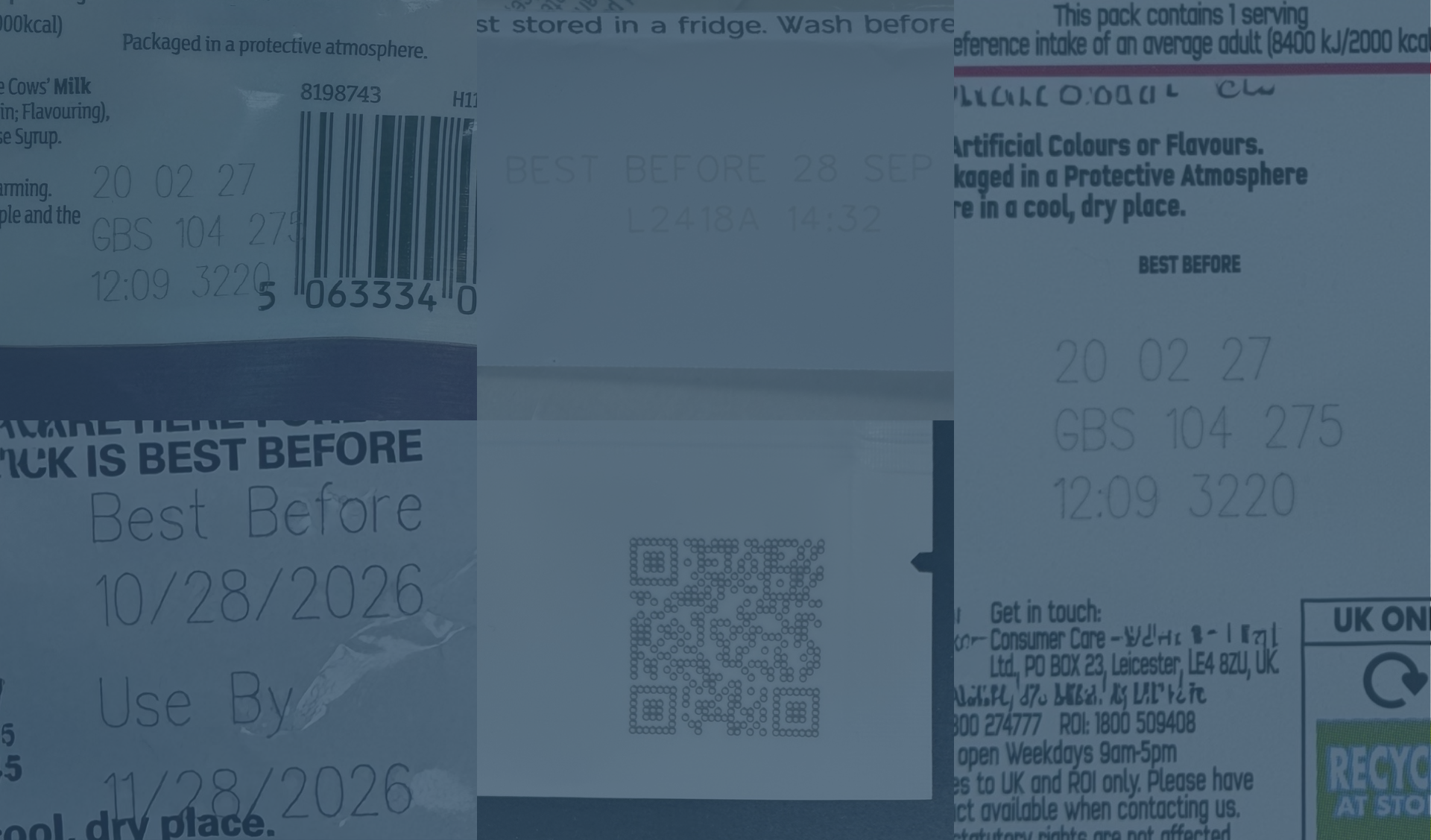
Laser Technologies
Laser coding and marking provides a precise, permanent, and cost-effective method of product identification without the need for inks, solvents, or ribbons.
Specialising in UV laser technology, alongside CO₂ and Fibre laser solutions, we help manufacturers achieve high-quality, traceable codes across a wide range of materials and applications.
Why More Manufacturers Are Switching to UV Laser Codings
As production costs increase and traceability requirements become more demanding, many manufacturers are moving away from traditional coding technologies.
UV laser coding provides a permanent, high-contrast marking solution that eliminates consumables while helping improve production efficiency and reduce operating costs.
Because UV lasers generate minimal heat, they are ideal for marking flexible packaging materials, films, foils, and plastics without compromising packaging integrity.
An Alternative to Thermal Transfer Overprinting (TTO)
UV laser technology is becoming an increasingly popular alternative to Thermal Transfer Overprinting (TTO) and other traditional coding methods.
By eliminating consumables and reducing maintenance requirements, manufacturers can achieve lower operating costs while maintaining clear, consistent codes throughout production.
Benefits of UV Laser Coding:
UV Laser Coding Applications:
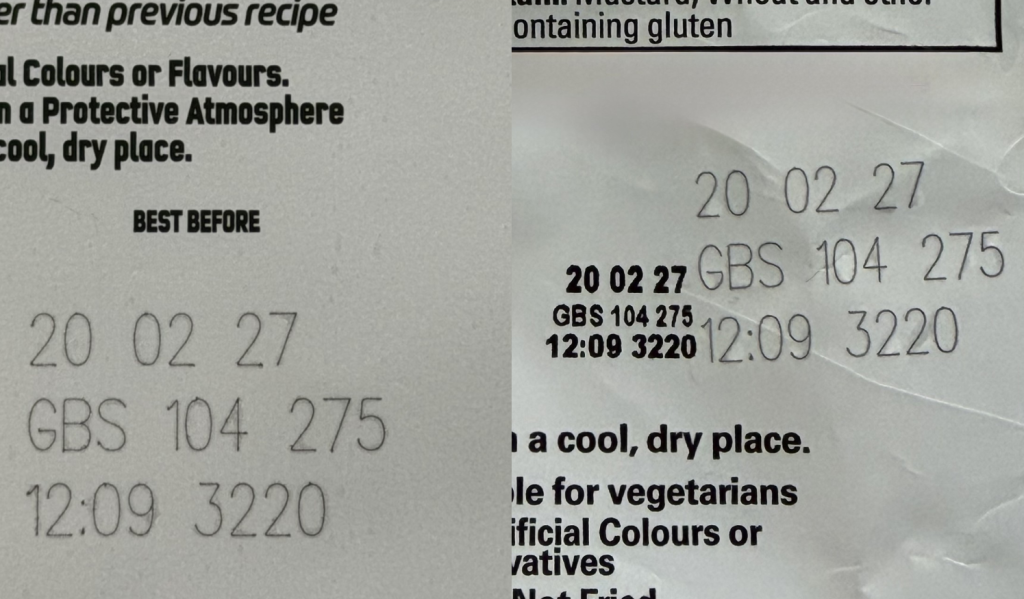
Is Your Packaging Suitable for UV Laser Coding?
Not all packaging materials react the same way to laser technology. Material composition, coatings, colours, and production speeds can all affect marking performance.
ILS offers application testing to assess:
Laser Technologies for Different Applications
No single laser source is right for every application. Fibre, UV and CO₂ laser systems offer different capabilities, allowing permanent text, logos, serial numbers, batch details, barcodes, QR codes and Data Matrix codes to be applied to suitable products and packaging.
Other Laser Technologies Available
While UV laser systems are often the preferred solution for flexible packaging, films and heat-sensitive materials, other laser technologies may be more suitable depending on the substrate and application.
Fibre Laser Marking
Fibre lasers are typically selected for permanent marking on metals, coated metals, engineering plastics and durable industrial components. They provide excellent mark quality for product identification, traceability and machine-readable codes.
CO₂ Laser Marking
CO₂ lasers are commonly used for coding and marking organic and non-metallic materials, including cardboard, paper, glass, wood and certain plastics. They offer a cost-effective solution for many packaging and product marking applications.
Got a question? Contact us
Please email our team