

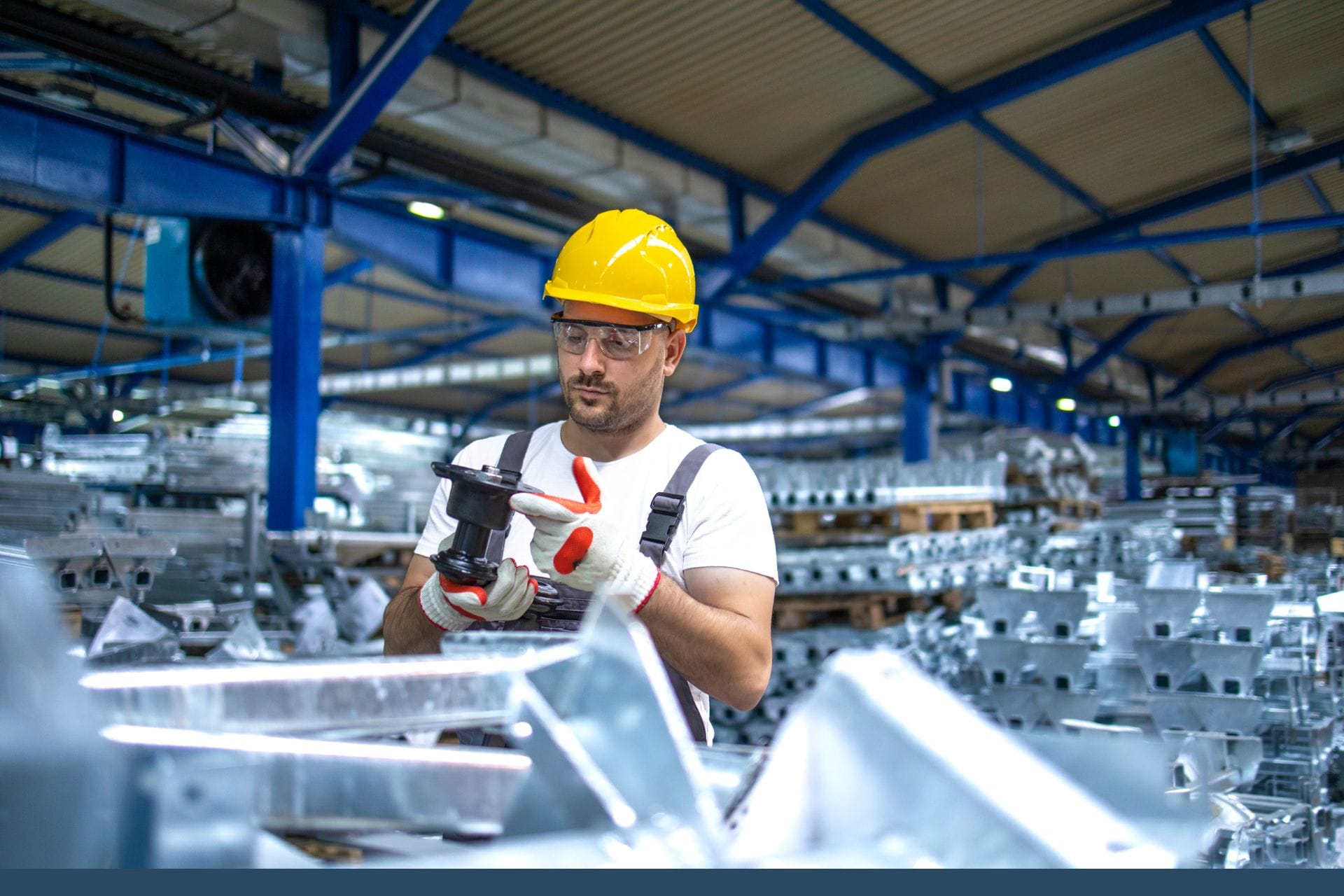
Regular print + apply machine maintenance is essential to keeping labelling operations running efficiently. A well-maintained system delivers reliable performance, reduces downtime, and extends equipment life. This guide explains why regular maintenance is important, the benefits it brings, and how professional servicing ensures long-term reliability.

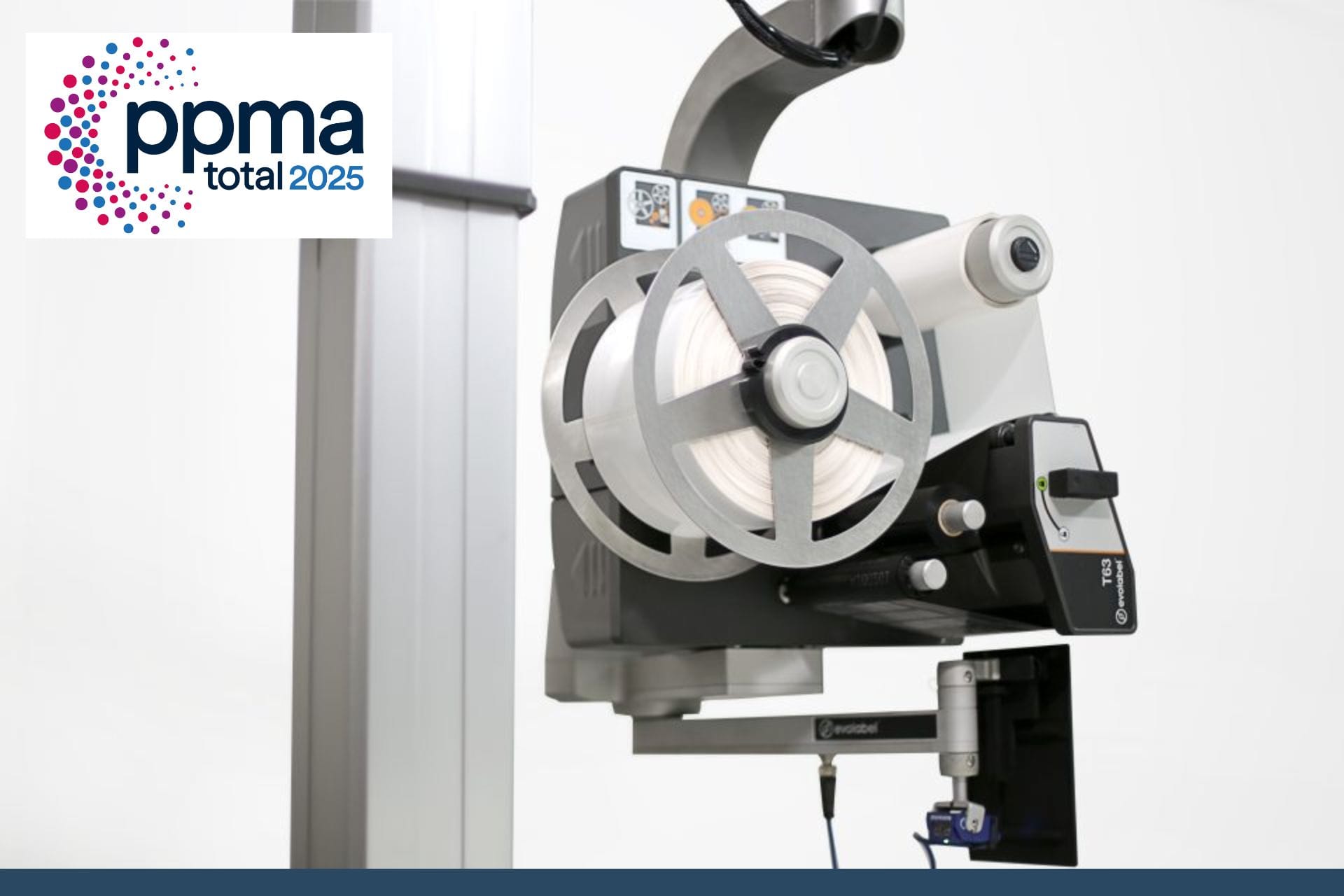
We’re delighted to share that ILS will be exhibiting at this year’s PPMA Total Show 2025, from 23rd - 25th September at NEC, Birmingham.
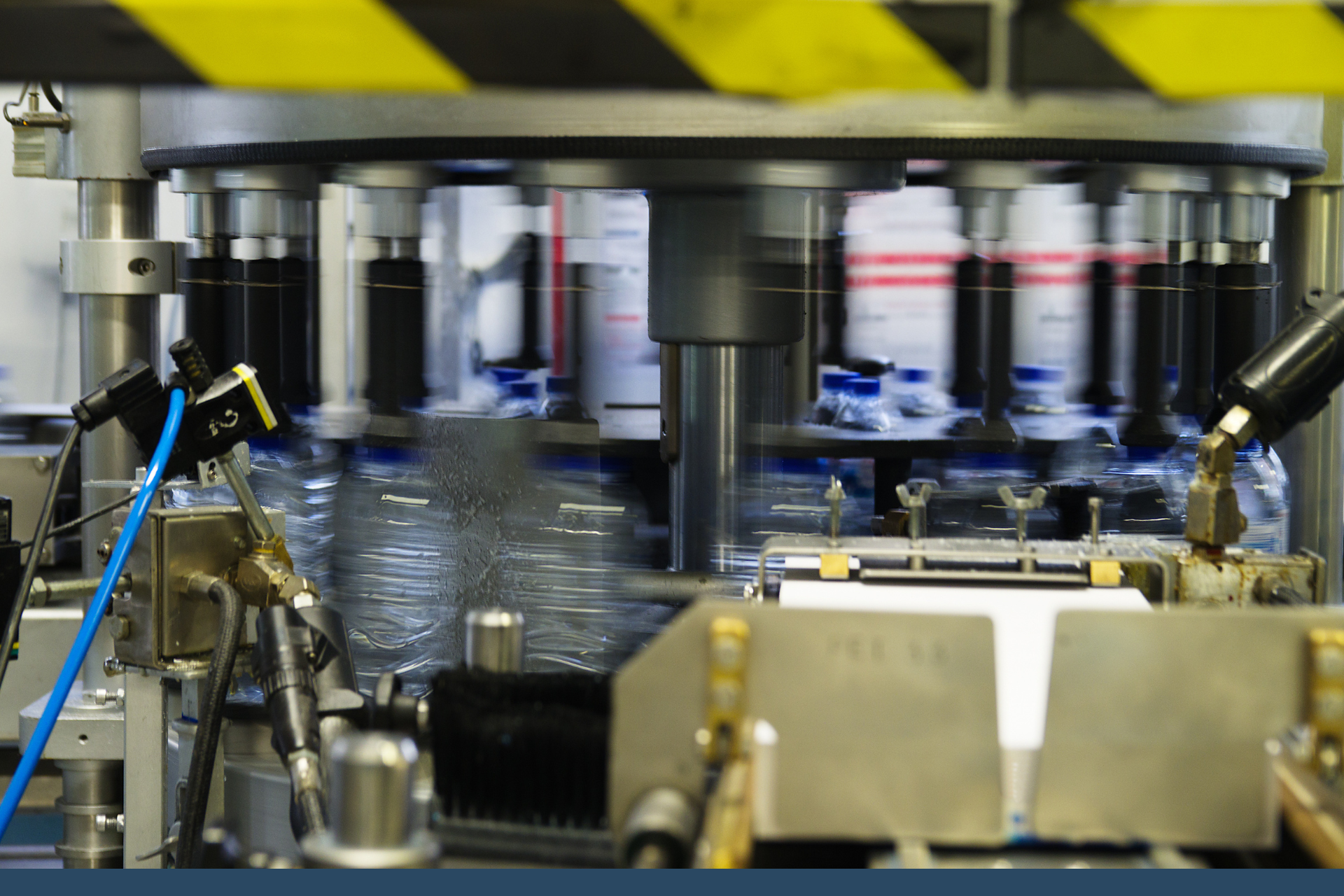
Whether you’re investing in a new print + apply system, or replacing legacy equipment, there’s a lot to consider. You want to invest wisely in the right system and ensure that it meets your current needs, as well as supporting your business’ future growth - but with such a diverse array of options on the market it can be difficult to know where to start.This step-by-step guide will help you select the ideal print and apply labelling system to suit your needs. Of course, our expert team is also on hand to offer advice and guidance so feel free to get in touch!
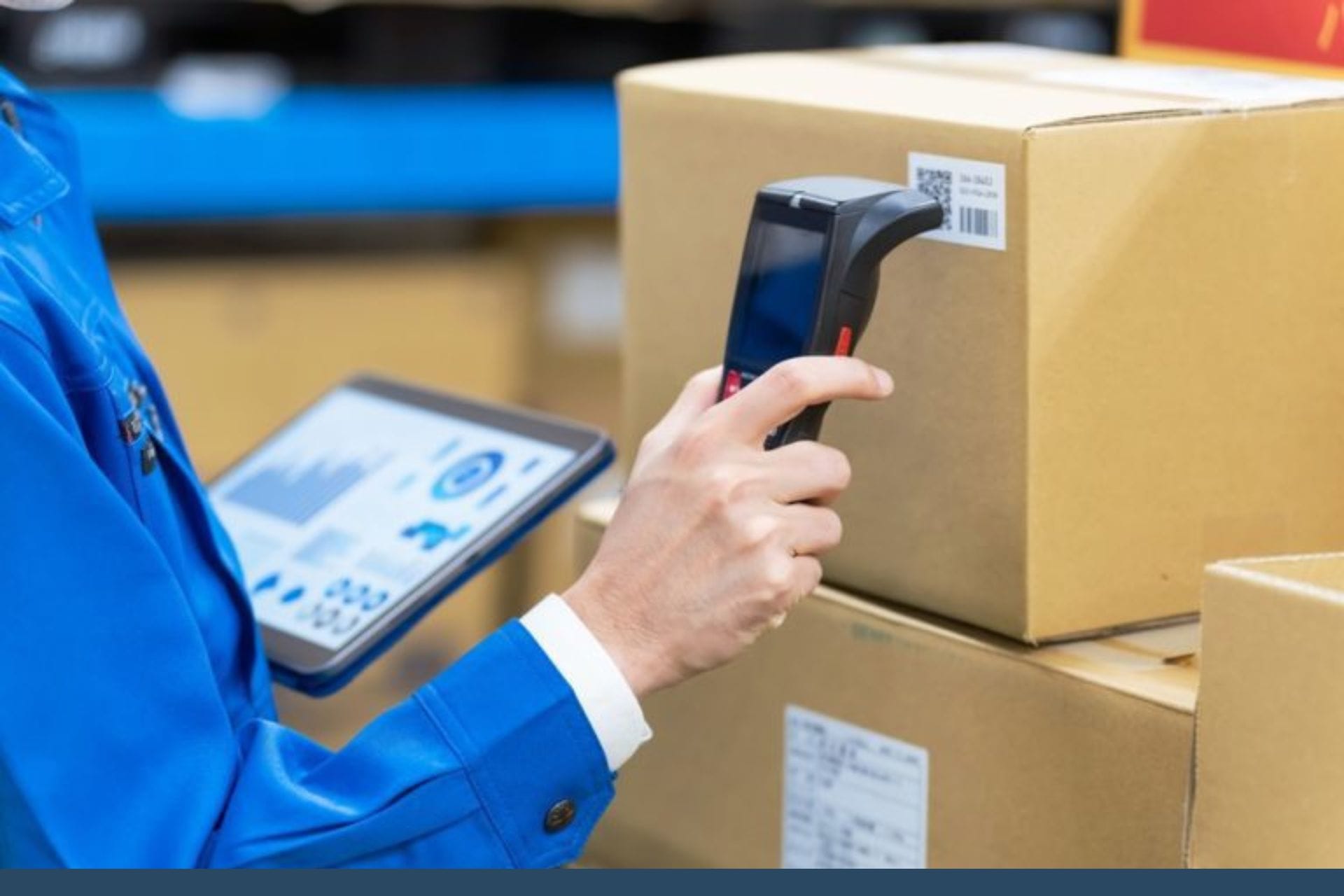
Barcode and Radio-frequency Identification (RFID) technologies, integrated with a Print + Apply system, are powerful ways to enhance your product tracking and inventory management.
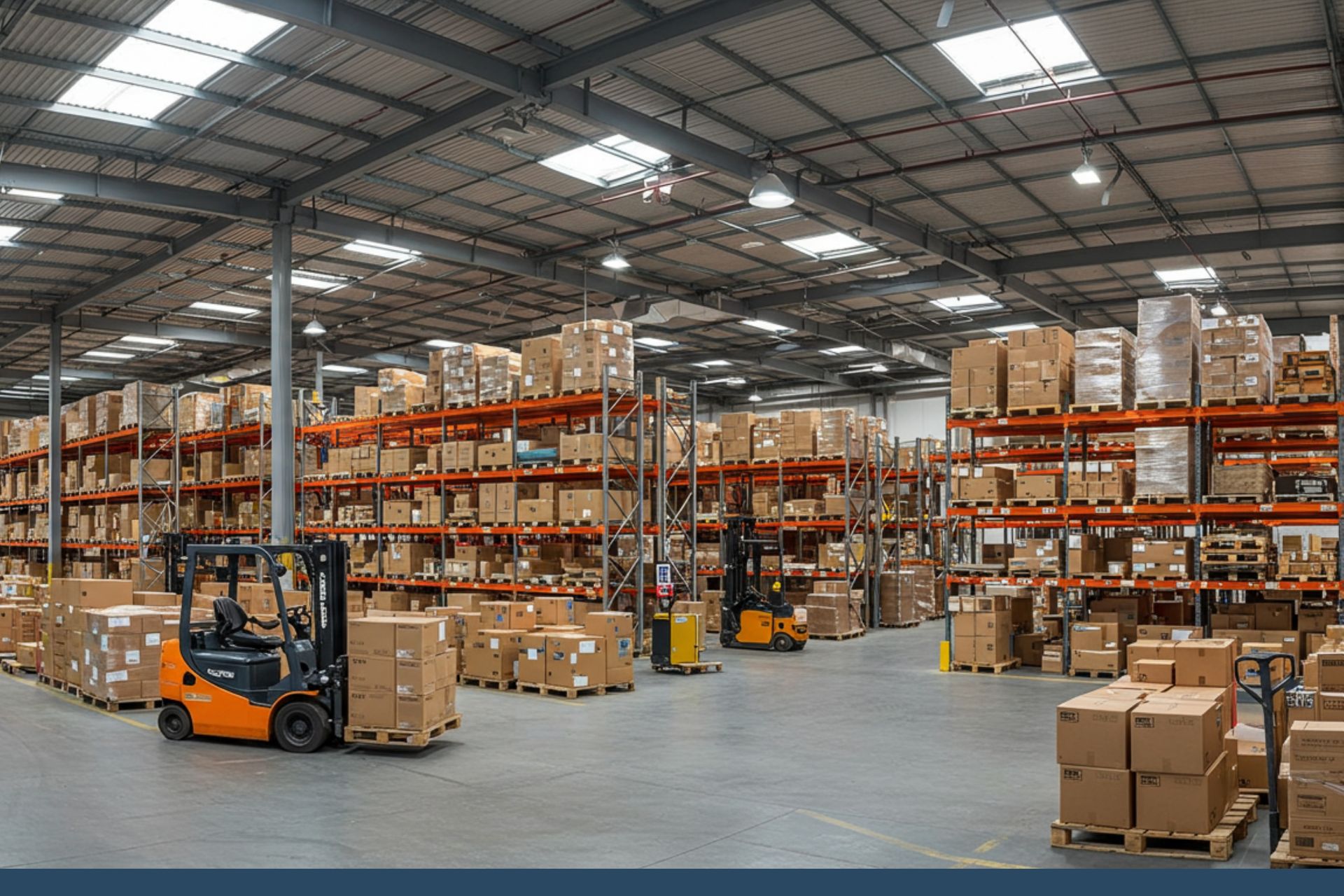
In a busy warehouse, there’s no time for downtime or delays. Every part of the operation has to work to maximum efficiency to keep the supply chain moving.That’s where print and apply labelling comes in. The multiple steps involved in manually applying labels can cause bottlenecks and backlogs, but automating the process removes these, boosting productivity and simplifying stock control.
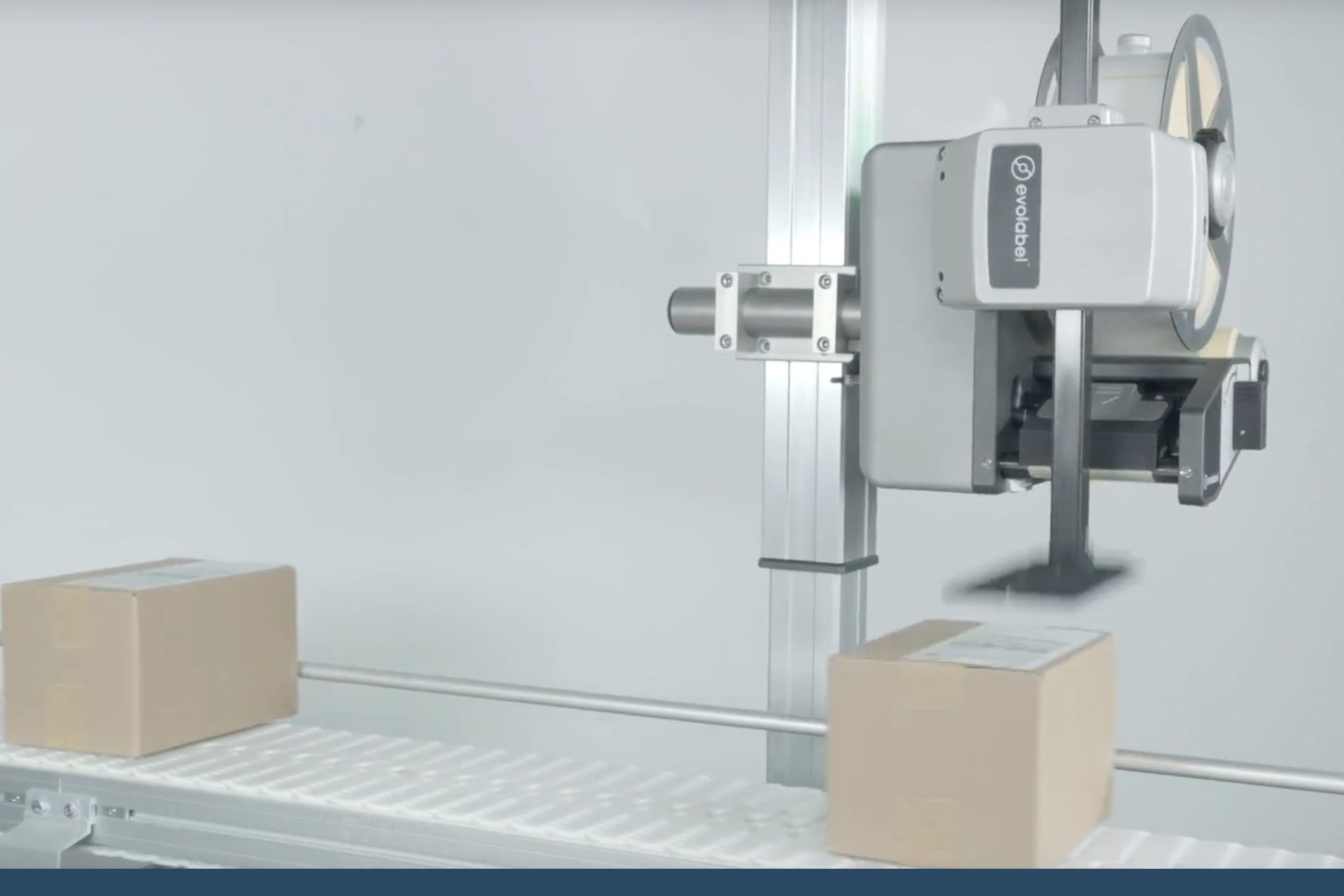
While manual labelling might seem a cost-effective process, the low price of consumables can be misleading. A 2023 report found 95% of businesses had incurred additional costs due to poor-quality label printing, with issues ranging from downtime on production lines to delayed deliveries.

From more efficient systems to reducing wastage, businesses that want to stay competitive must find ways to streamline processes and cut costs, without compromising on quality or compliance.
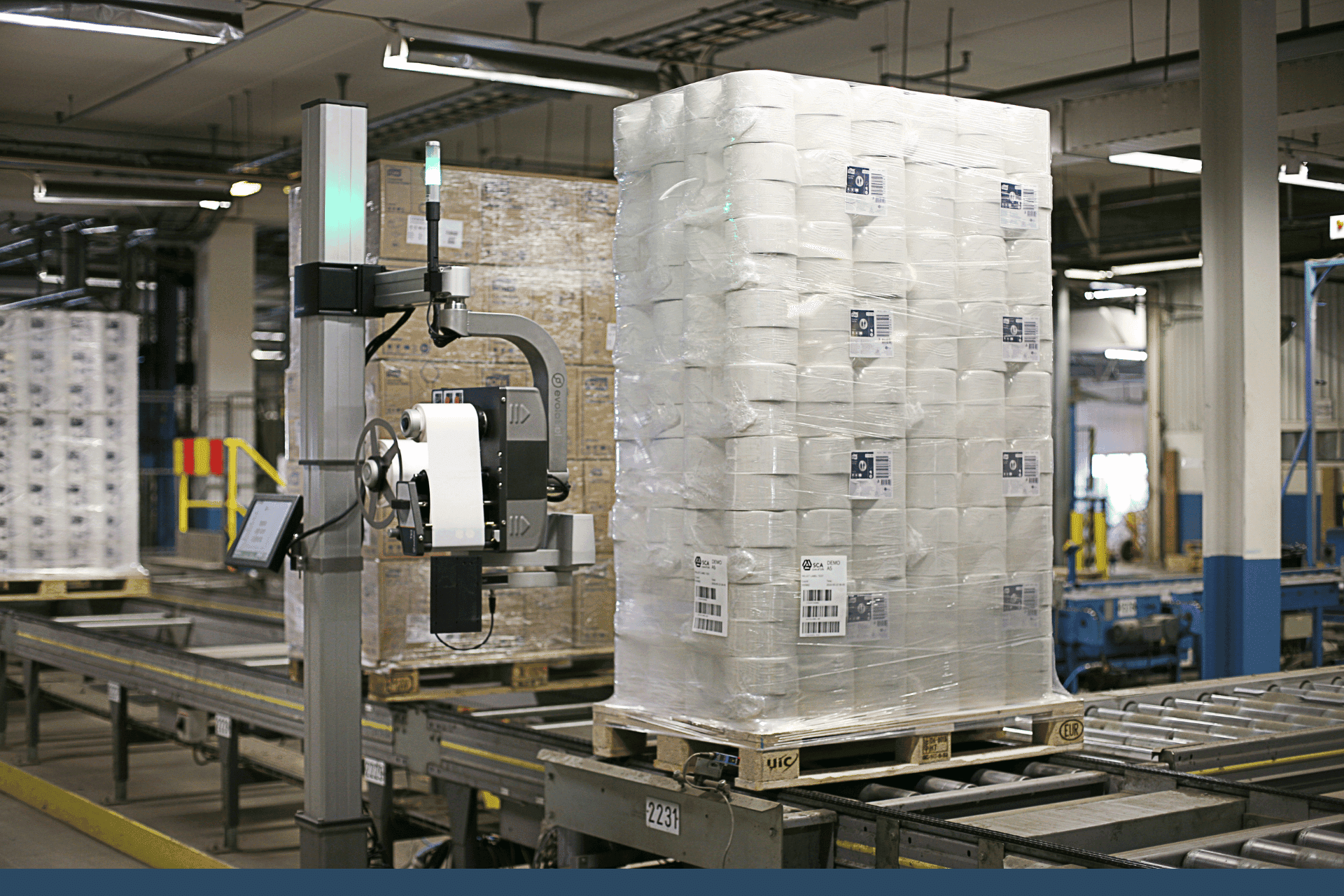
Automated labelling specialist Industrial Labelling Systems (ILS) is expanding into Scotland, with the appointment of a new regional sales manager covering the country.

Integrating auto-labelling machines into your operations can bring a number of benefits, from improving efficiency to reducing manual errors, but many businesses shy away from adopting them because of concerns over networking.In this blog, we’ll debunk three common myths which often prevent companies from taking full advantage of print and apply labelling systems, explaining how modern solutions are designed to be easier to implement than ever.
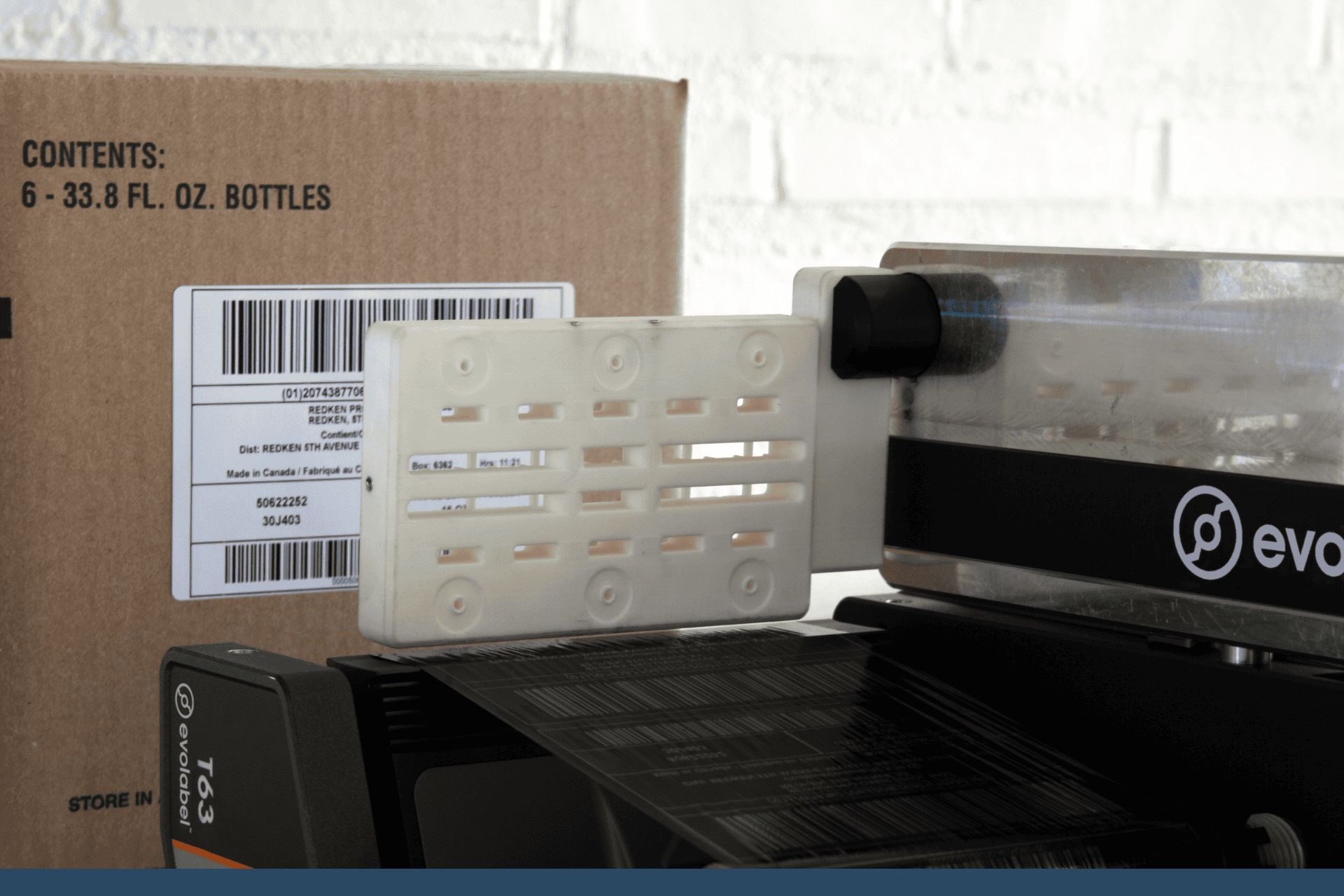
If businesses want to remain competitive, they have to streamline their operations, reduce downtime and deliver products faster – without compromising on quality. How? By embracing frictionless production, a concept that involves implementing seamless workflows and optimised processes to minimise delays.A key part of achieving frictionless production is addressing common bottlenecks, of which labelling is often one. When labels are misaligned, incorrectly printed or applied wrongly, it causes delays, and these delays disrupt production flow and impact efficiency.This is where automatic print and apply labelling systems come in. By eliminating errors and speeding up application, they play a key role in achieving frictionless production.