

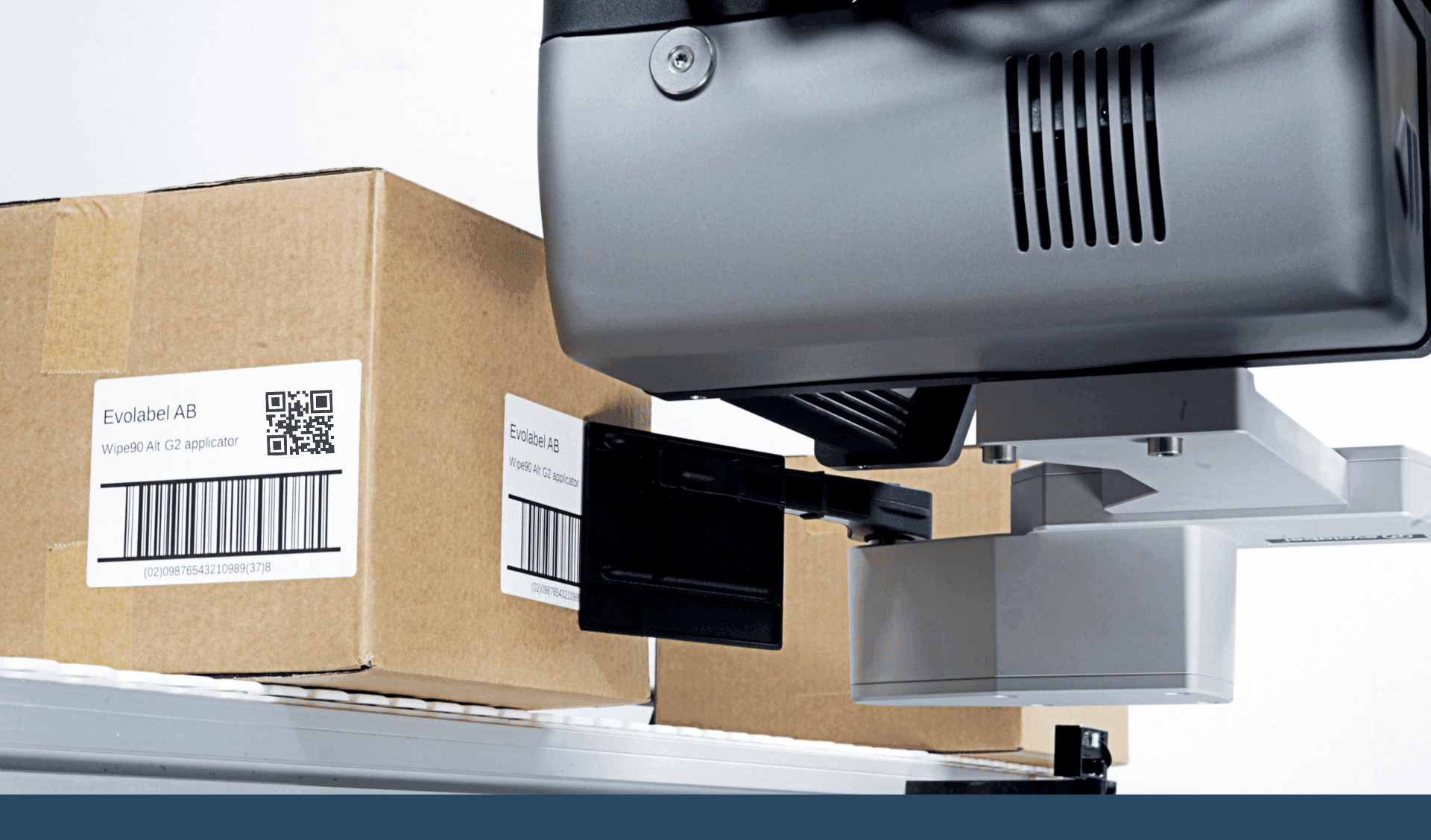
Understanding GS1 Sunrise 2027 is becoming increasingly important for businesses involved in packaging, logistics, and product labelling. The way products are identified is evolving. GS1’s “Sunrise 2027” initiative introduces smarter barcode technology, with 2D barcodes such as QR codes and DataMatrix capable of holding far more information than traditional formats. These codes can include details such as expiry dates, batch numbers, and links to digital product information. While driven by supply chain and retail needs, this shift will directly impact how labels are designed, printed, and applied.


Automating cold store labelling is a transformative step for logistics and food manufacturing. By integrating specialist sub-zero print and apply systems, facilities can maintain seamless productivity, accuracy and operational safety – even in the most demanding environments.Not only can implementing specialised sub-zero print and apply systems allow logistics and food manufacturing facilities to protect floor operators from extreme temperatures, they can significantly reduce equipment downtime and enforce strict traceability across the entire cold chain.
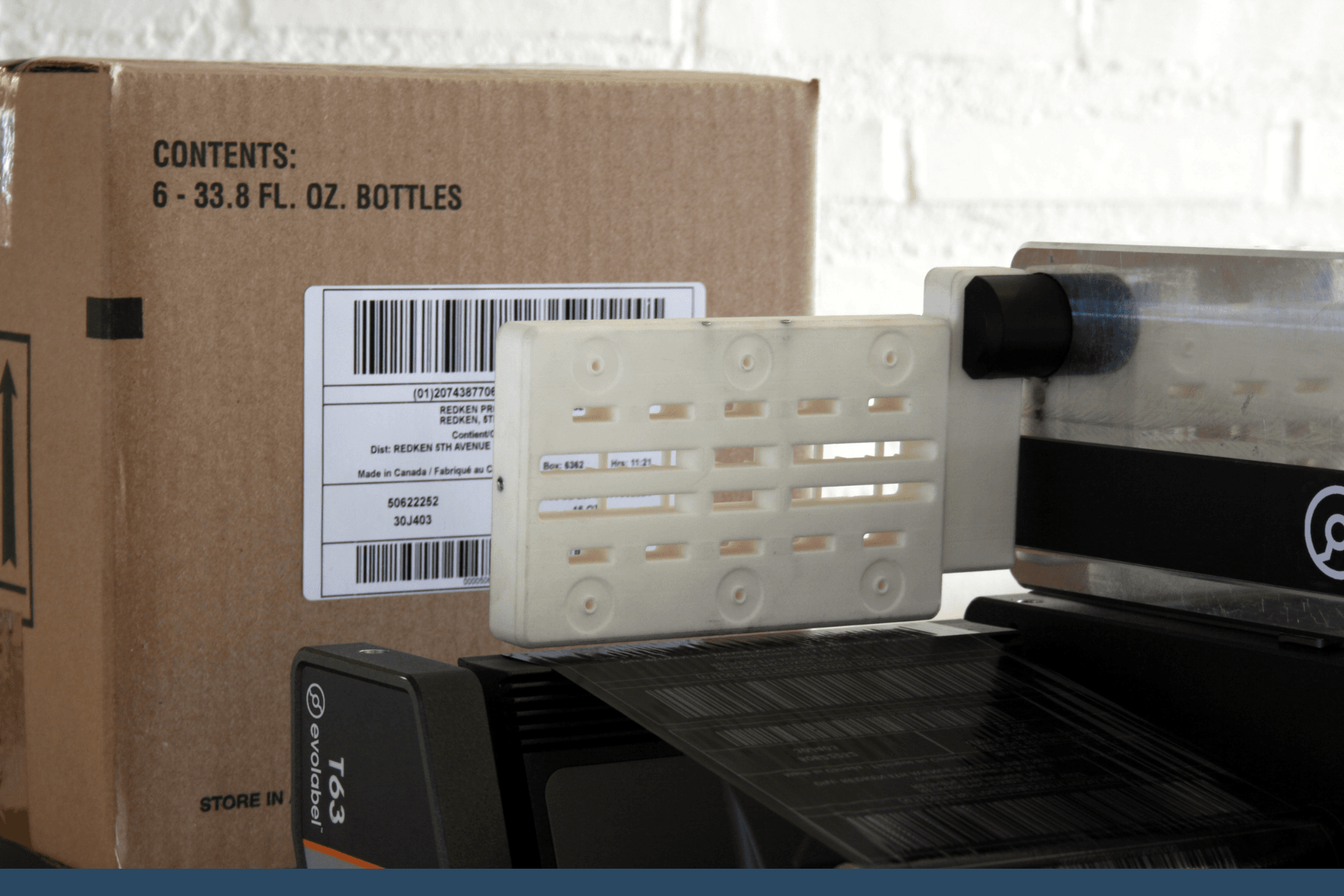
In many facilities, the maximum speed of the production line is influenced by the physical requirements of the labelling process. Traditional wipe-on or tamp applicators rely on perfect timing between the applicator arm and the moving product, which is effective for labelling rigid, uniform surfaces but can present challenges on high-velocity conveyors or when dealing with recessed and fragile packaging.

Reliable, fit-for-purpose labelling systems are invaluable in pharmaceutical production environments, where inaccurate or insufficient labelling can lead to quarantined stock, rework and distribution delays. Accurate and appropriate labelling is also essential for maintaining patient safety.

Compressed air plays a crucial role in labelling automation and remains widely used across manufacturing and packaging environments. For many applications, pneumatically assisted systems provide reliable and proven performance, making them a practical choice for a wide range of production lines.
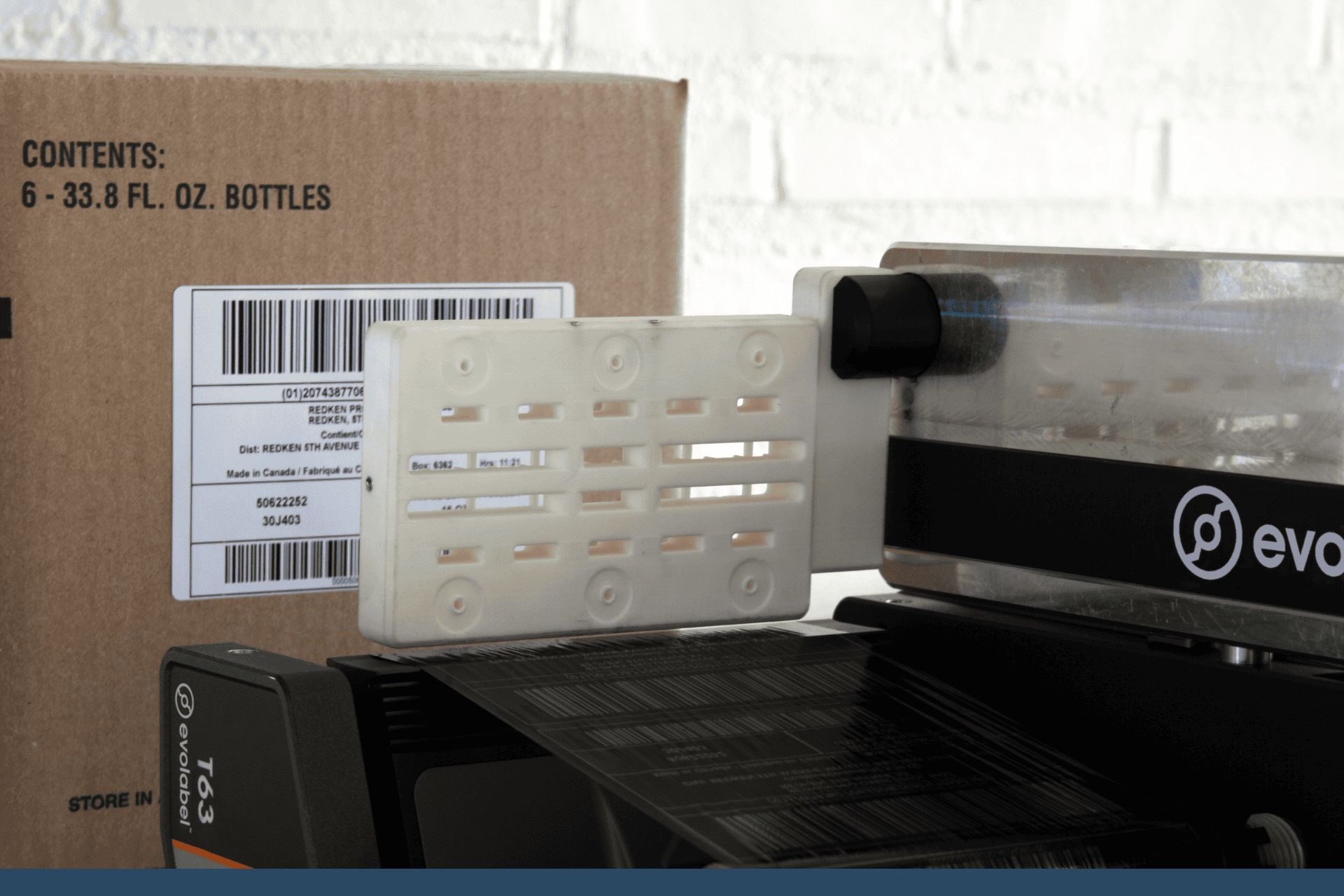
If businesses want to remain competitive, they have to streamline their operations, reduce downtime and deliver products faster – without compromising on quality. How? By embracing frictionless production, a concept that involves implementing seamless workflows and optimised processes to minimise delays.A key part of achieving frictionless production is addressing common bottlenecks, of which labelling is often one. When labels are misaligned, incorrectly printed or applied wrongly, it causes delays, and these delays disrupt production flow and impact efficiency.This is where automatic print and apply labelling systems come in. By eliminating errors and speeding up application, they play a key role in achieving frictionless production.
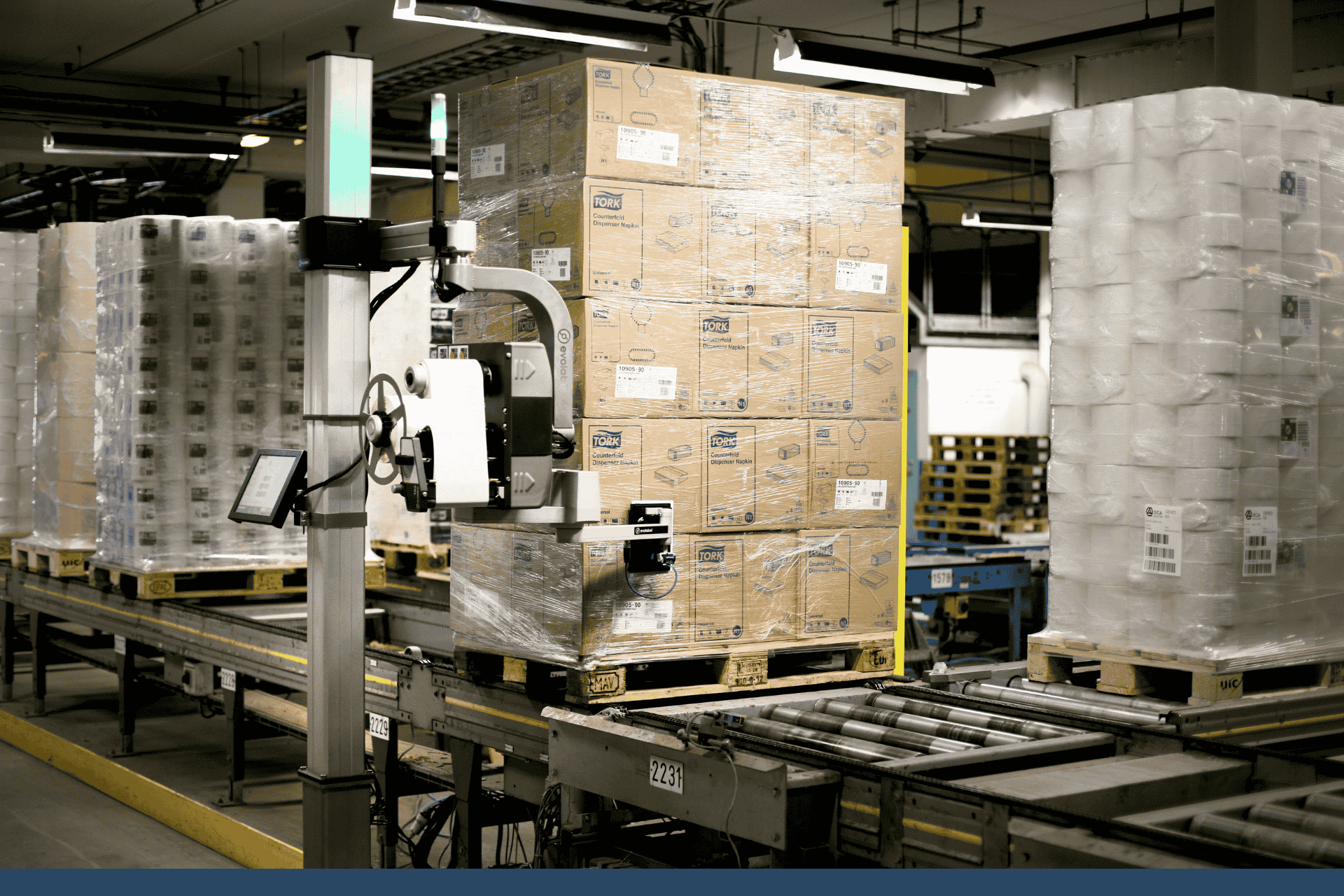
Denis Brett, Managing Director at Industrial Labelling Systems Ltd, explains how it is possible to tighten supply chains with durable, flexible and traceable labelling.The construction industry is largely project-based with complex supply chains. It only takes one link to unravel for it to impact negatively on build schedules, cost forecasts and customer satisfaction.

Whatever industry you’re working in, from retail to manufacturing to logistics, there’s a high chance you rely on barcodes or other forms of labelling in some way. Whether it’s to ensure the traceability of goods, maintain food safety standards or manage your inventory, labels and the information they contain can be key to keeping things running smoothly.It’s therefore vital that your labelling processes are accurate and efficient, and that’s why businesses are increasingly undergoing ‘labelling makeovers’ to overhaul their old or outdated equipment and methods and bring them up to date.But how do you know when it’s time for a makeover?
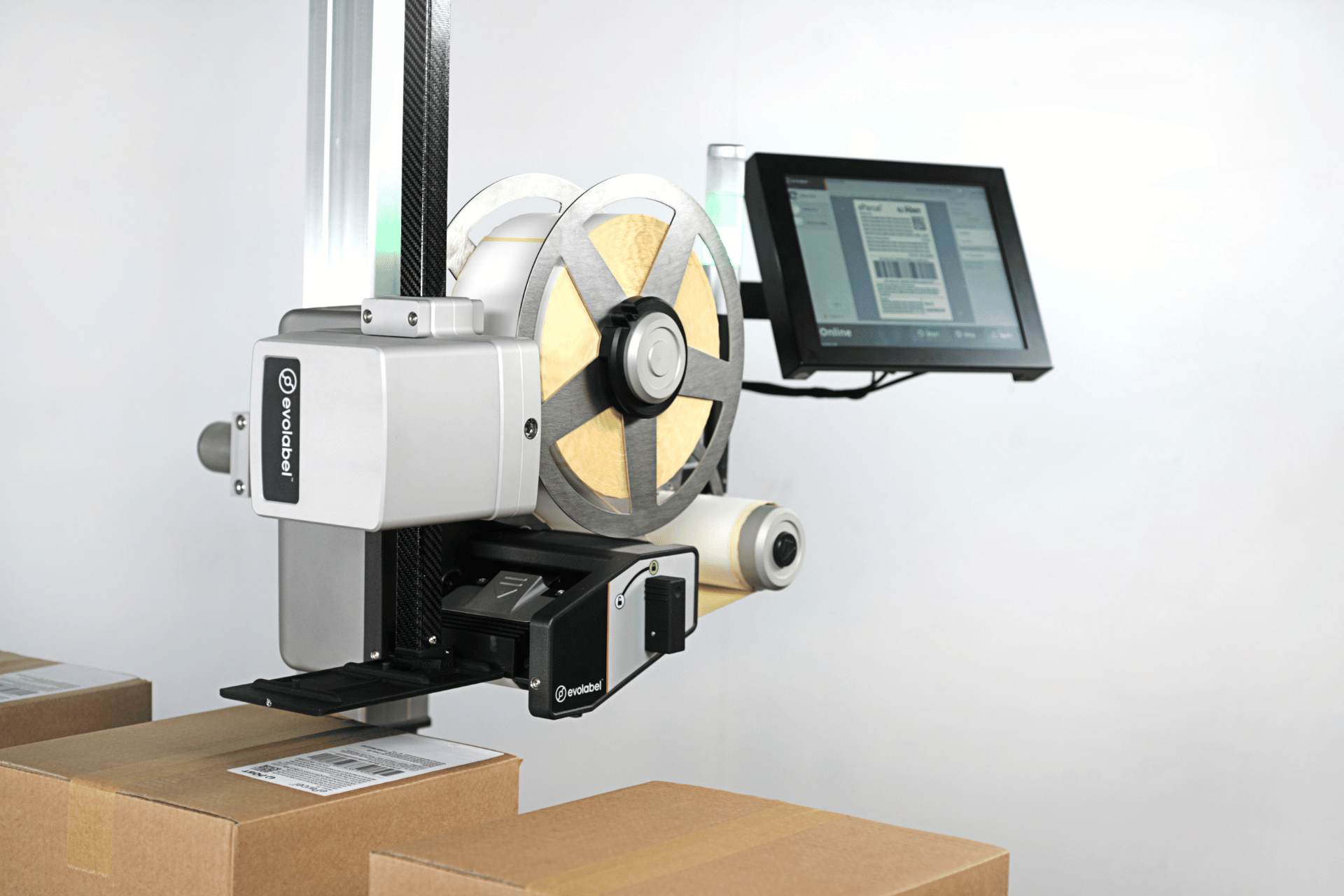
The growth of ecommerce means more deliveries, and whether you’re a supplier or a customer, knowing where your products are in the supply chain has never been so important.Swift delivery times and good communication are consistently rated as two of the most important factors influencing customer satisfaction and loyalty in B2C; they help consumers feel reassured their orders will arrive on time and confident in the supplier they’ve chosen. So, it’s hardly surprising that B2B buyers are increasingly looking for a similar experience.
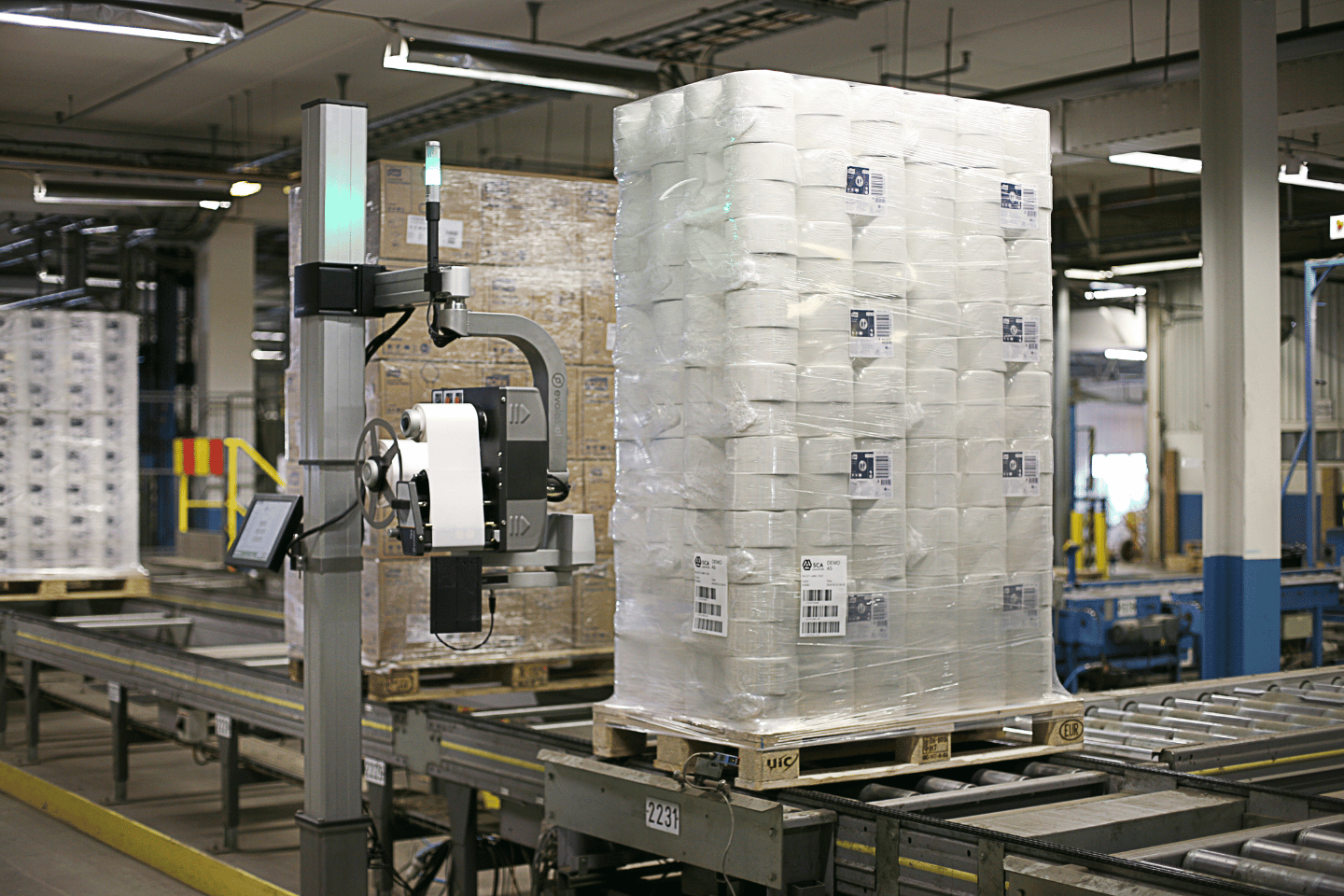
Labelling serves as a method of communication between manufacturers, regulators, and consumers. It promotes efficient business operations, ensures that products are used safely and correctly, supports regulatory compliance and more.The essential information that labels provide makes them a critical tool for any business – but applying them manually can be a slow and laborious process. Inconsistencies in placement or print quality can affect readability, brand perception and customer satisfaction, and it can be difficult to scale and manage high volumes.