

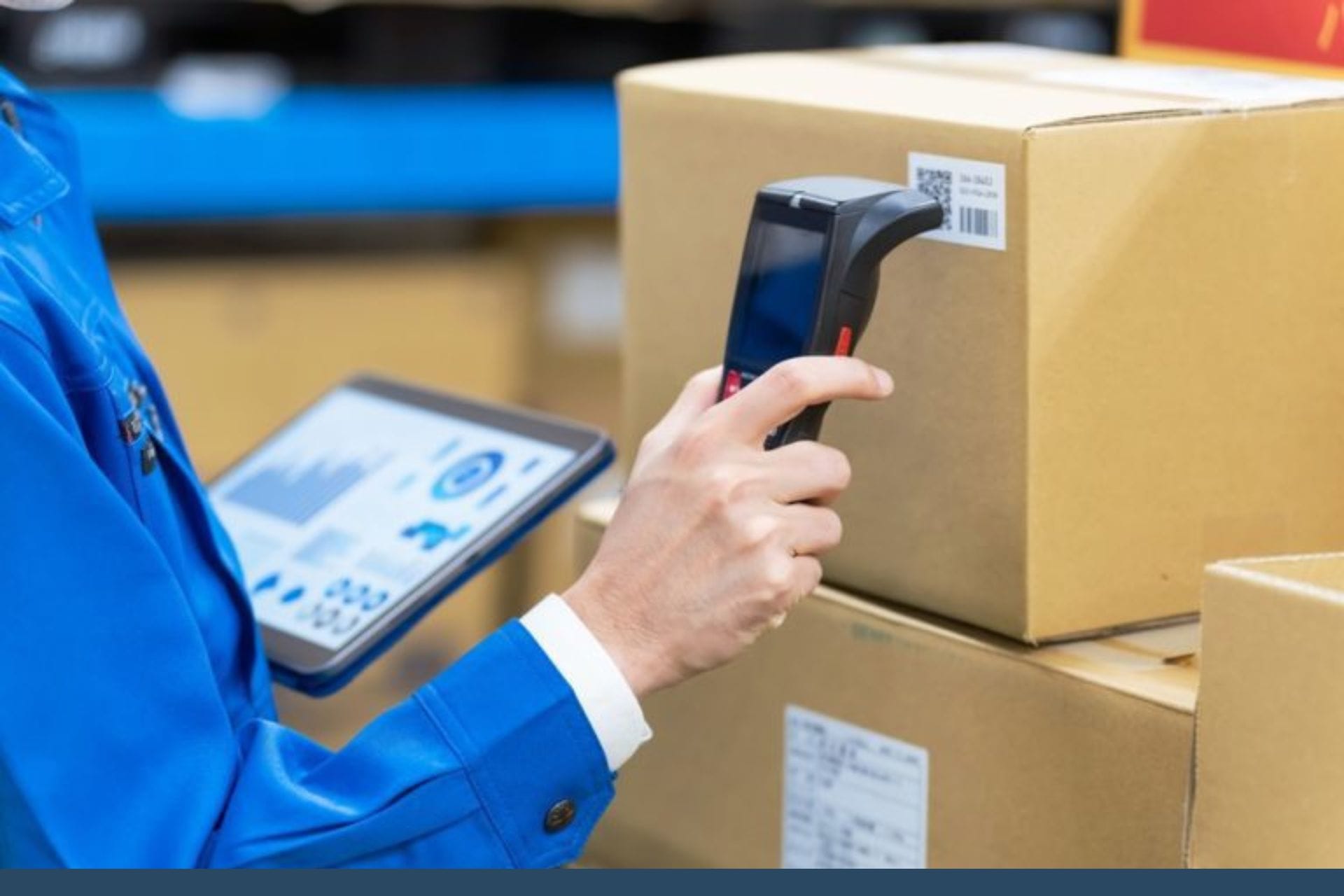
Barcode and Radio-frequency Identification (RFID) technologies, integrated with a Print + Apply system, are powerful ways to enhance your product tracking and inventory management.

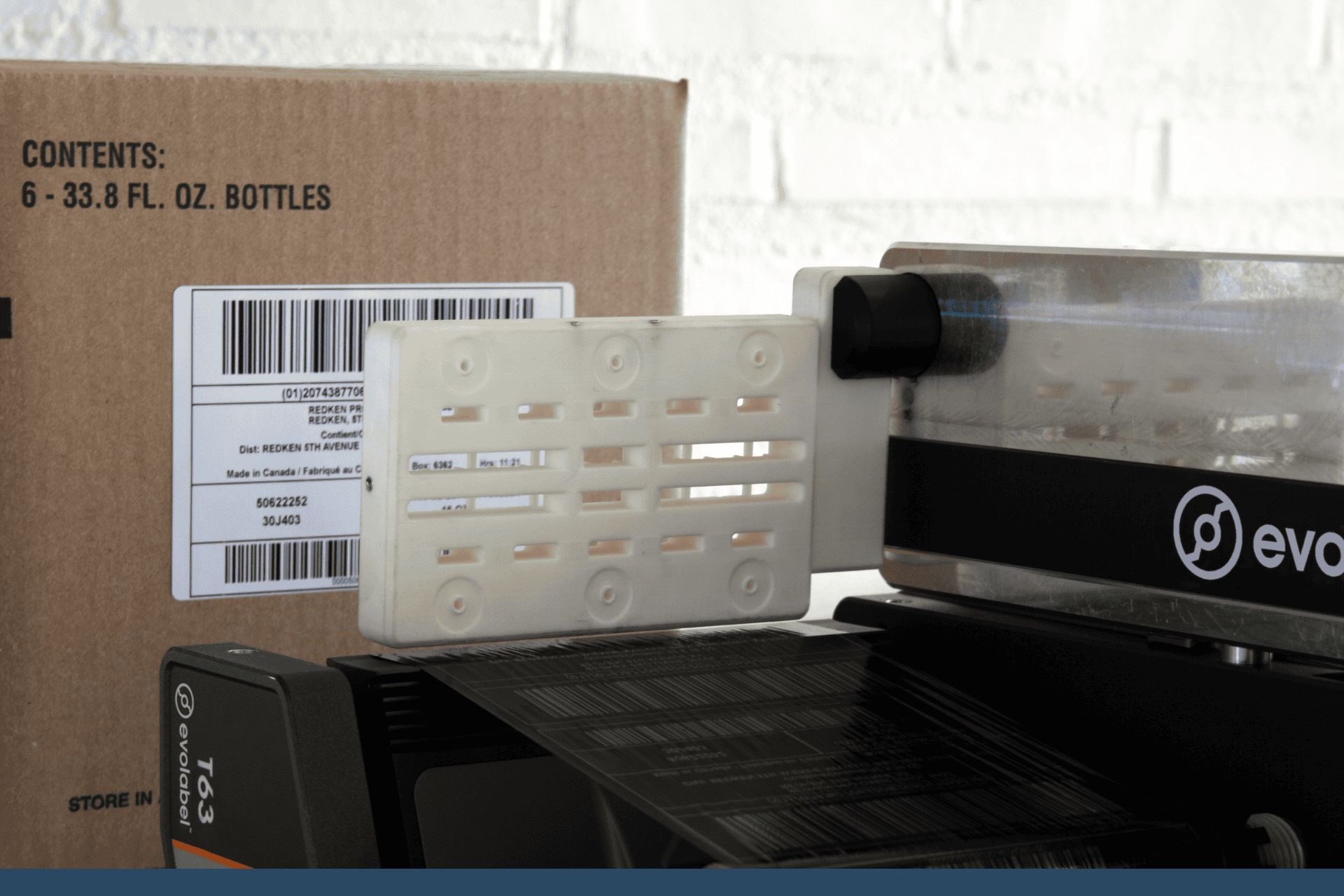
If businesses want to remain competitive, they have to streamline their operations, reduce downtime and deliver products faster – without compromising on quality. How? By embracing frictionless production, a concept that involves implementing seamless workflows and optimised processes to minimise delays.A key part of achieving frictionless production is addressing common bottlenecks, of which labelling is often one. When labels are misaligned, incorrectly printed or applied wrongly, it causes delays, and these delays disrupt production flow and impact efficiency.This is where automatic print and apply labelling systems come in. By eliminating errors and speeding up application, they play a key role in achieving frictionless production.

The packaging and labelling industry could see a raft of changes as we head into 2025, as regulations change, businesses continue to look for ways to reduce costs, and consumers demand greater transparency and sustainability.In this blog, we’ll look at some of the potential legislation changes that lie ahead as well as examine how manufacturers can use automatic labelling to remain compliant.
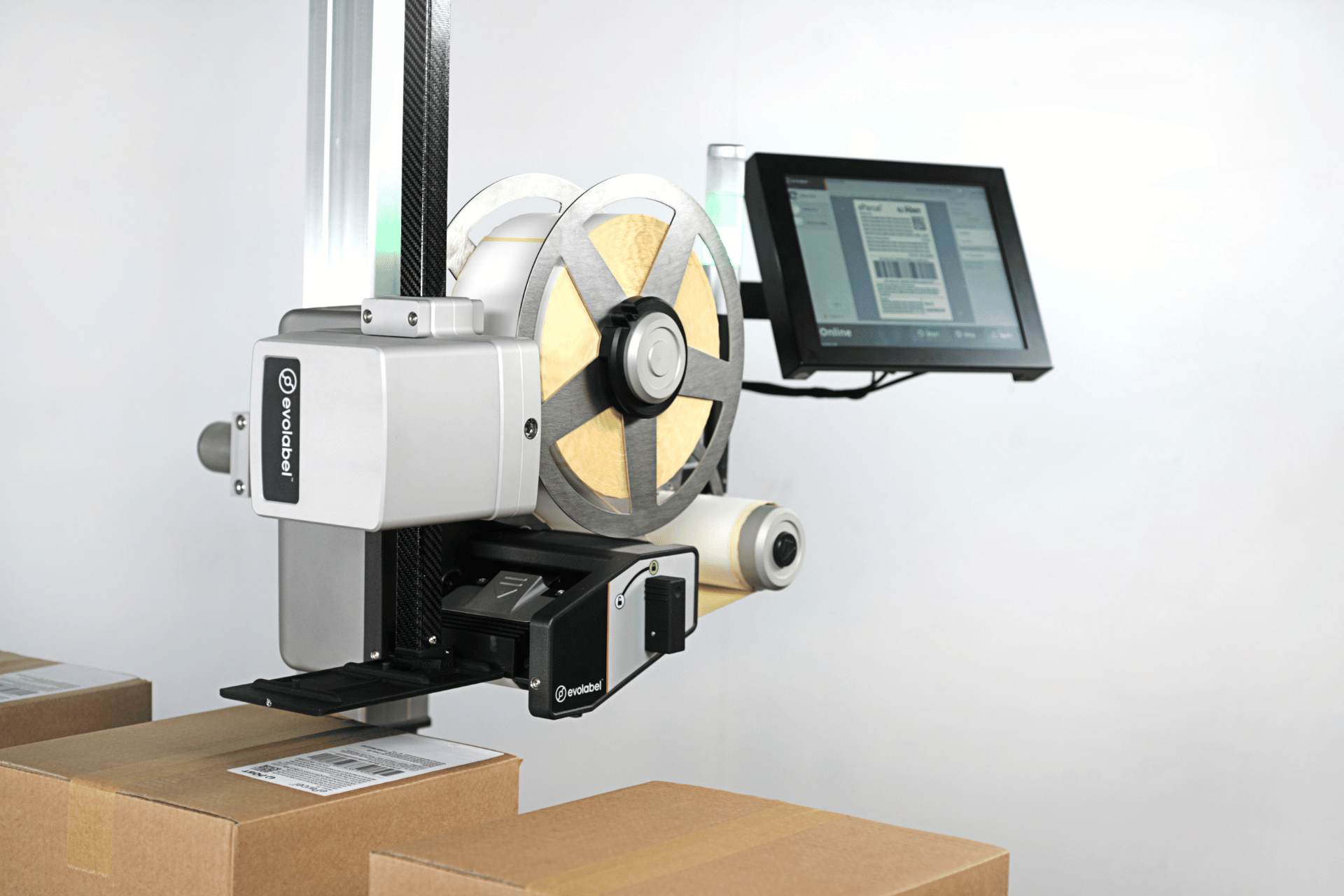
The growth of ecommerce means more deliveries, and whether you’re a supplier or a customer, knowing where your products are in the supply chain has never been so important.Swift delivery times and good communication are consistently rated as two of the most important factors influencing customer satisfaction and loyalty in B2C; they help consumers feel reassured their orders will arrive on time and confident in the supplier they’ve chosen. So, it’s hardly surprising that B2B buyers are increasingly looking for a similar experience.