

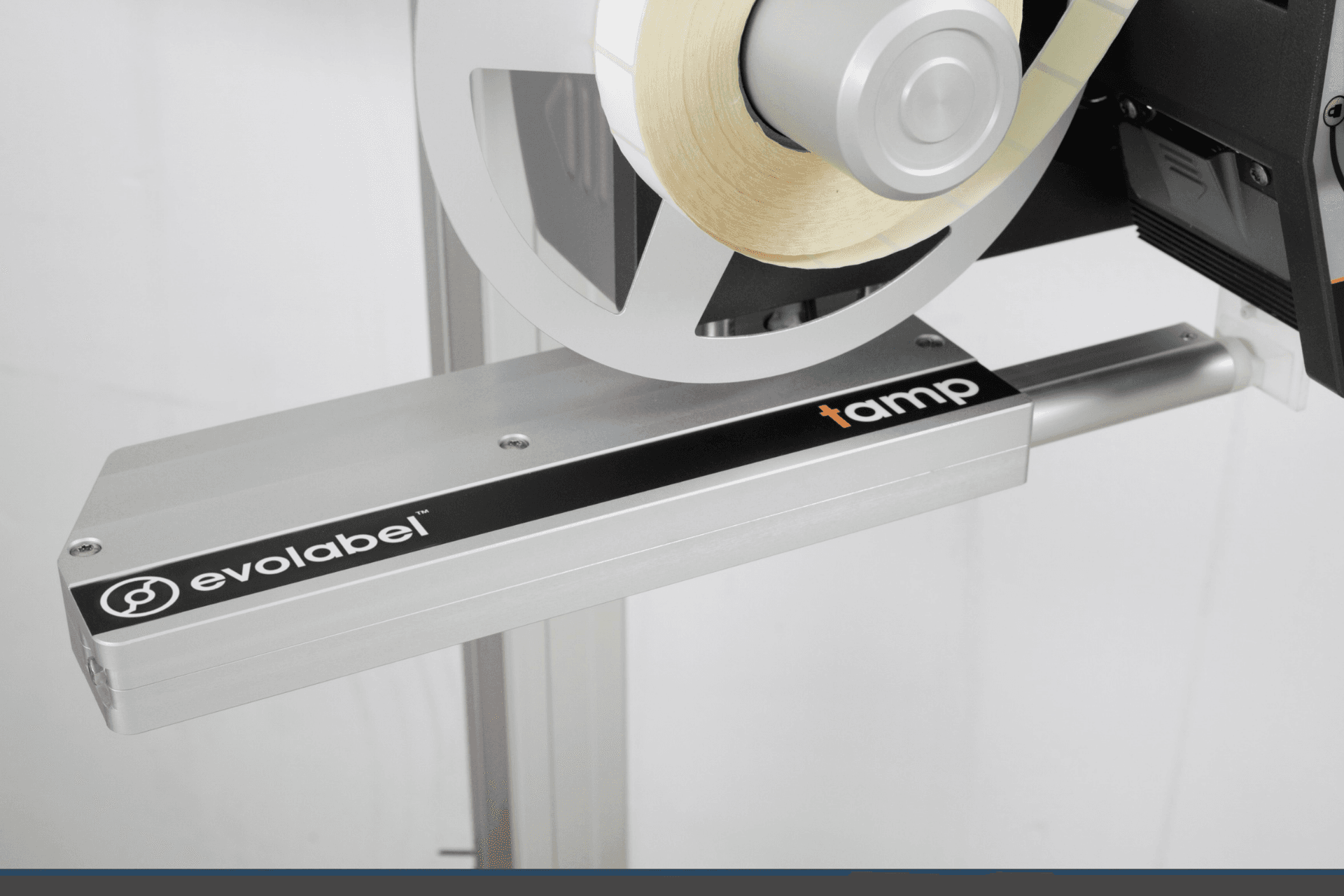
When specifying an automatic print and apply labelling system, one consideration is how the applicator is powered and whether compressed air is required. Compressed air has traditionally played an important role in print and apply technology. Depending on the design, it may be used to move the applicator, create the vacuum that holds a printed label in position, or assist with transferring the label onto the product.More recently, electrically driven applicators have reduced the amount of pneumatic equipment required, while fully airless systems can remove the need for compressed air altogether.

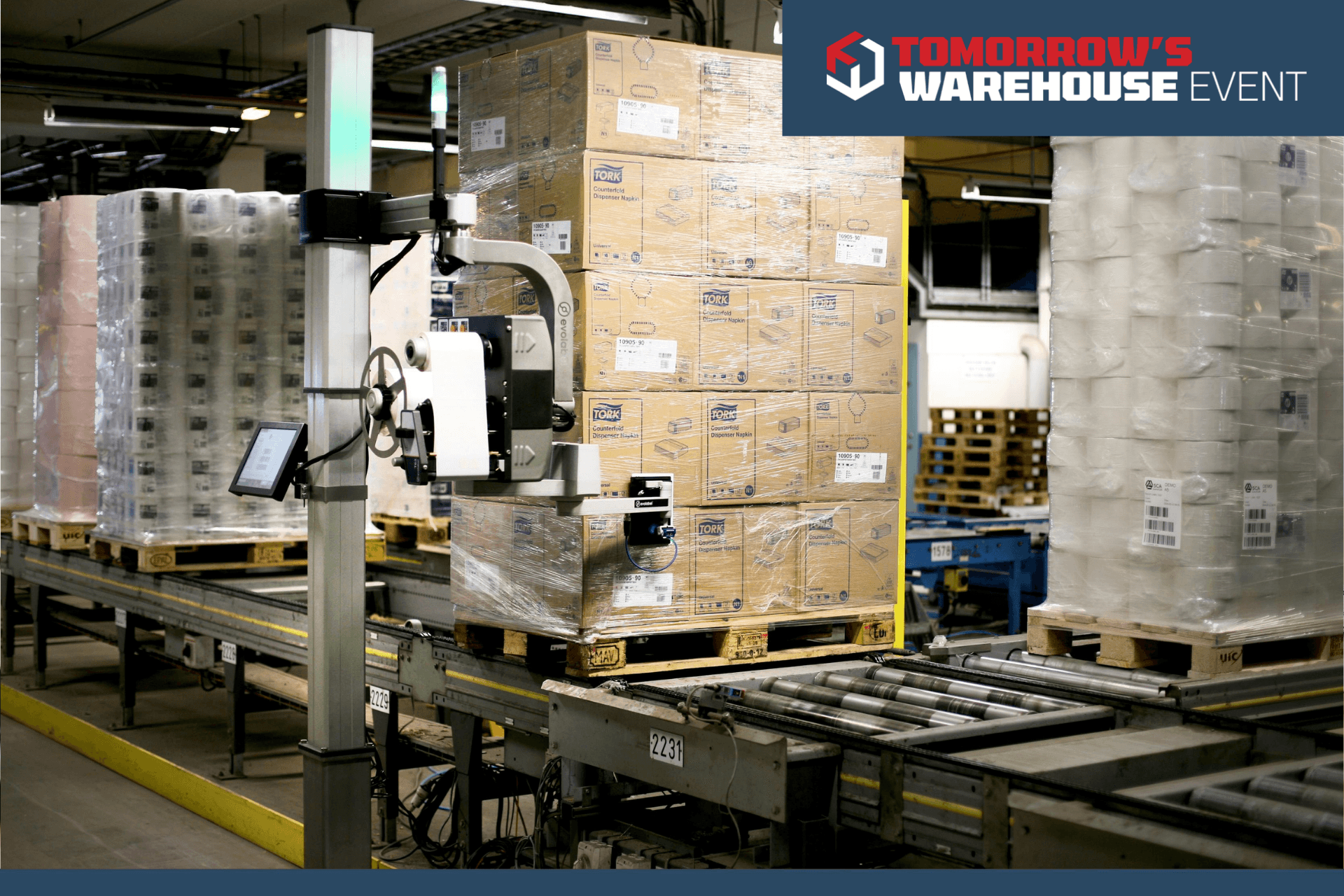
We are delighted to be exhibiting at Tomorrow’s Warehouse Manchester on Wednesday 30th September 2026.As one of more than 60 leading industry exhibitors, we are excited to invite you to connect with our team and explore how our innovative labelling systems can elevate your operations. We are offering personalised, interactive demonstrations to give you an up-close look at our labelling products in action.Read on to find out more about what is available on the day, explore key conference highlights, and learn how you can register to get involved.
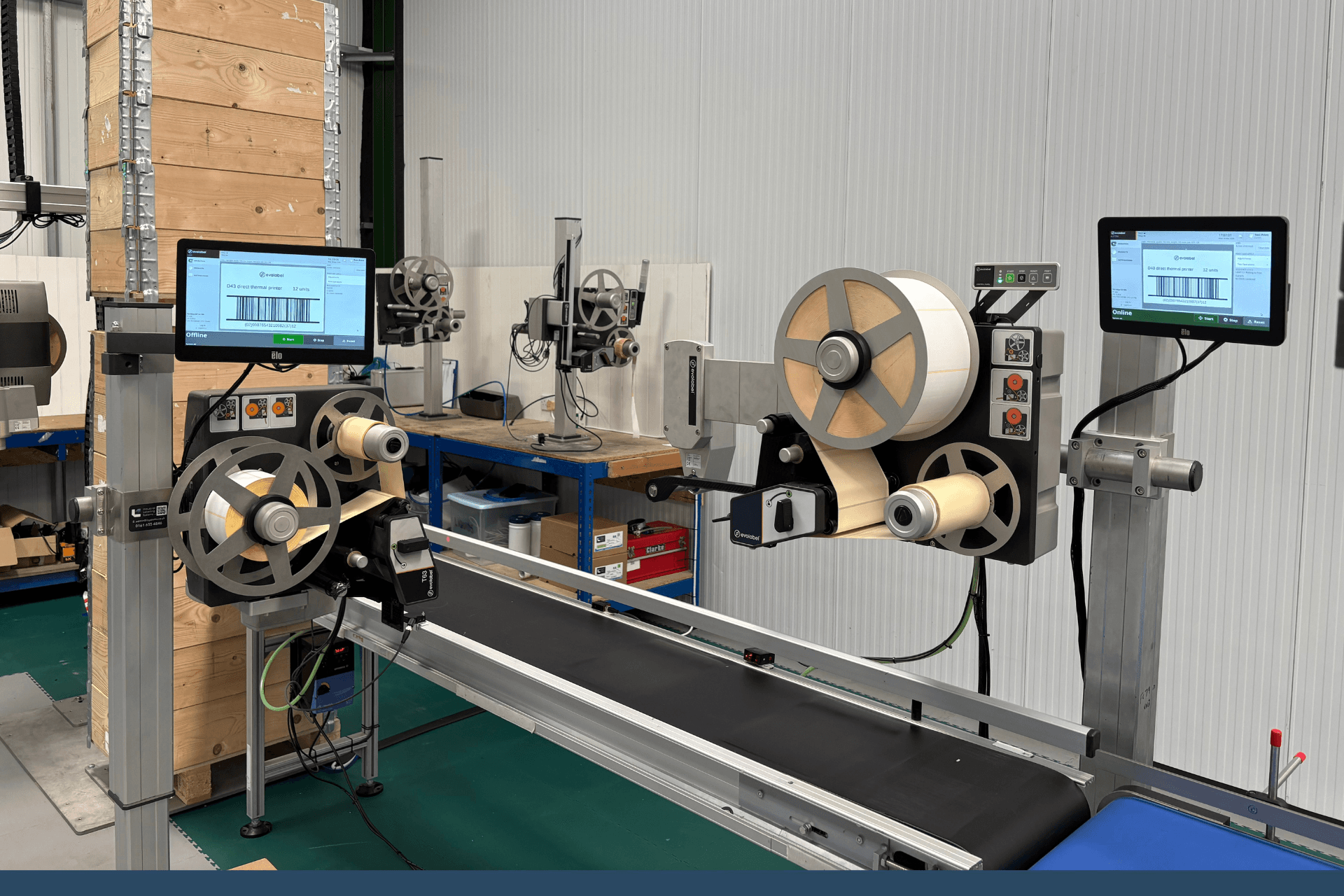
Automation should eliminate variables, not create them. Yet, many engineering and quality assurance (QA) managers rely on static data sheets that can't account for the unique pressures of their factory floor.If you want to move from specification to installation with total confidence, the only way to be sure is to see the results yourself. That’s why we’re inviting you to stress test your live production line at our facility, validating label adhesion, placement, and throughput accuracy before the equipment ever reaches your floor.
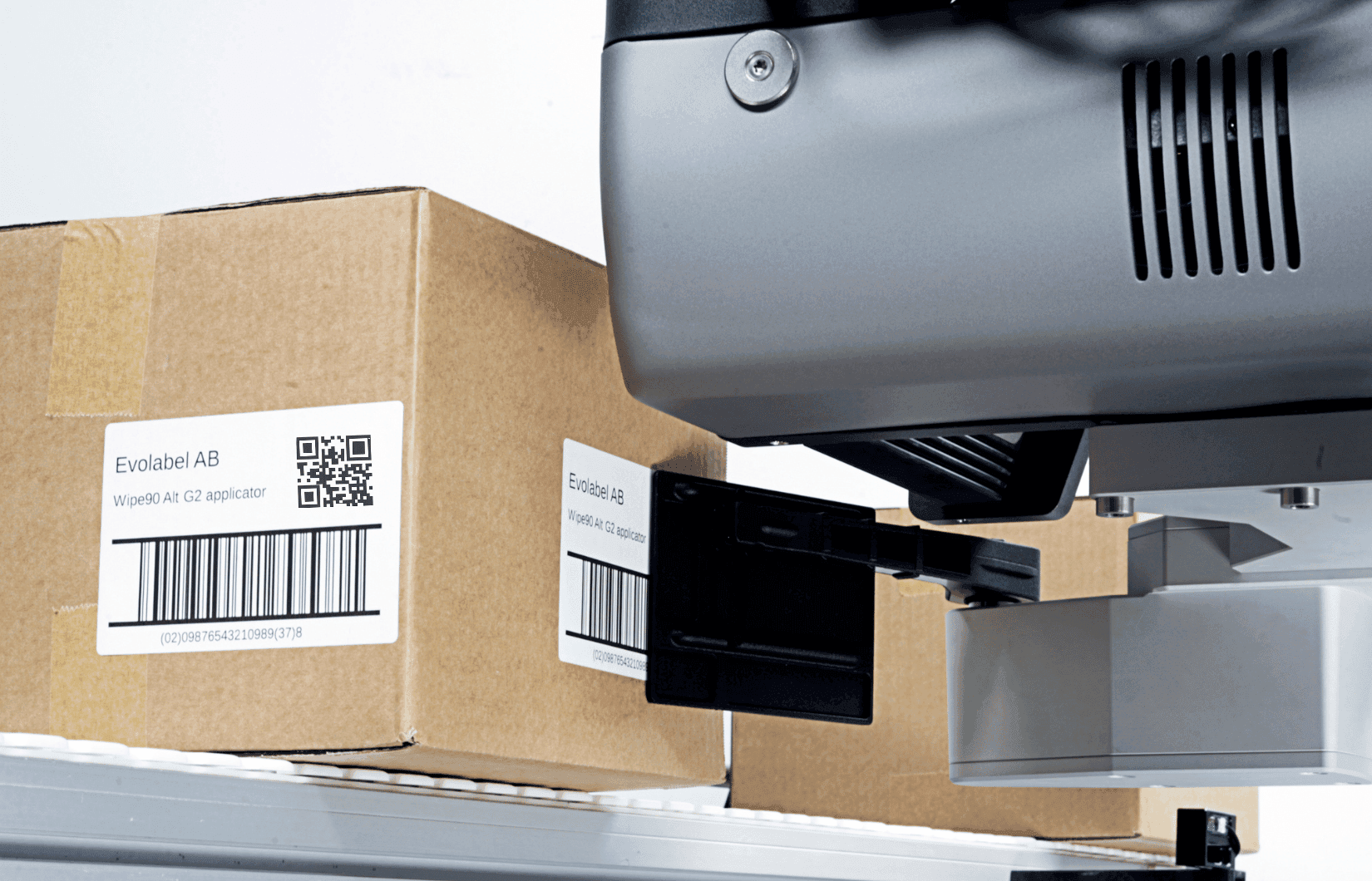
Understanding GS1 Sunrise 2027 is becoming increasingly important for businesses involved in packaging, logistics, and product labelling. The way products are identified is evolving. GS1’s “Sunrise 2027” initiative introduces smarter barcode technology, with 2D barcodes such as QR codes and DataMatrix capable of holding far more information than traditional formats. These codes can include details such as expiry dates, batch numbers, and links to digital product information. While driven by supply chain and retail needs, this shift will directly impact how labels are designed, printed, and applied.

Automating cold store labelling is a transformative step for logistics and food manufacturing. By integrating specialist sub-zero print and apply systems, facilities can maintain seamless productivity, accuracy and operational safety – even in the most demanding environments.Not only can implementing specialised sub-zero print and apply systems allow logistics and food manufacturing facilities to protect floor operators from extreme temperatures, they can significantly reduce equipment downtime and enforce strict traceability across the entire cold chain.

Introducing a new print and apply system is a significant step towards improving efficiency, accuracy and throughput. But like any form of automation, the success of the installation depends on more than just the equipment itself.Taking the time to prepare your facility properly can prevent delays, integration issues and unnecessary disruption, ensuring a smoother installation and helping you realise the benefits more quickly.In this blog, we’ll look at the key considerations when installing automated labelling systems and how to set your operation up for success.
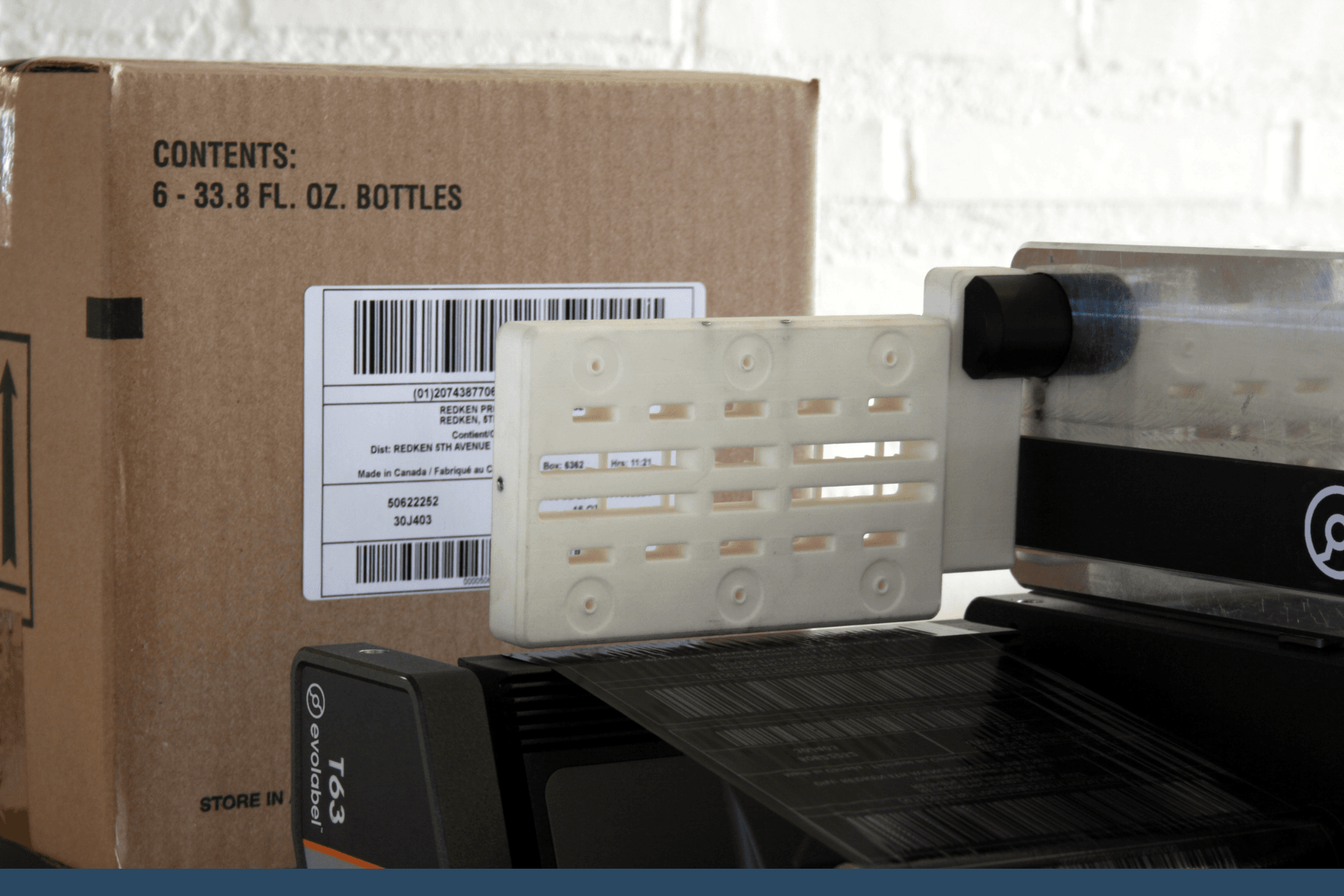
In many facilities, the maximum speed of the production line is influenced by the physical requirements of the labelling process. Traditional wipe-on or tamp applicators rely on perfect timing between the applicator arm and the moving product, which is effective for labelling rigid, uniform surfaces but can present challenges on high-velocity conveyors or when dealing with recessed and fragile packaging.

Many manufacturers view labelling as a minor administrative task, yet the cumulative cost of manual errors and rework can be staggering. When manual label application fails to keep pace with modern production lines, the financial impact is felt through the high cost of rejected shipments and the drain of unproductive labour.

Reliable, fit-for-purpose labelling systems are invaluable in pharmaceutical production environments, where inaccurate or insufficient labelling can lead to quarantined stock, rework and distribution delays. Accurate and appropriate labelling is also essential for maintaining patient safety.