

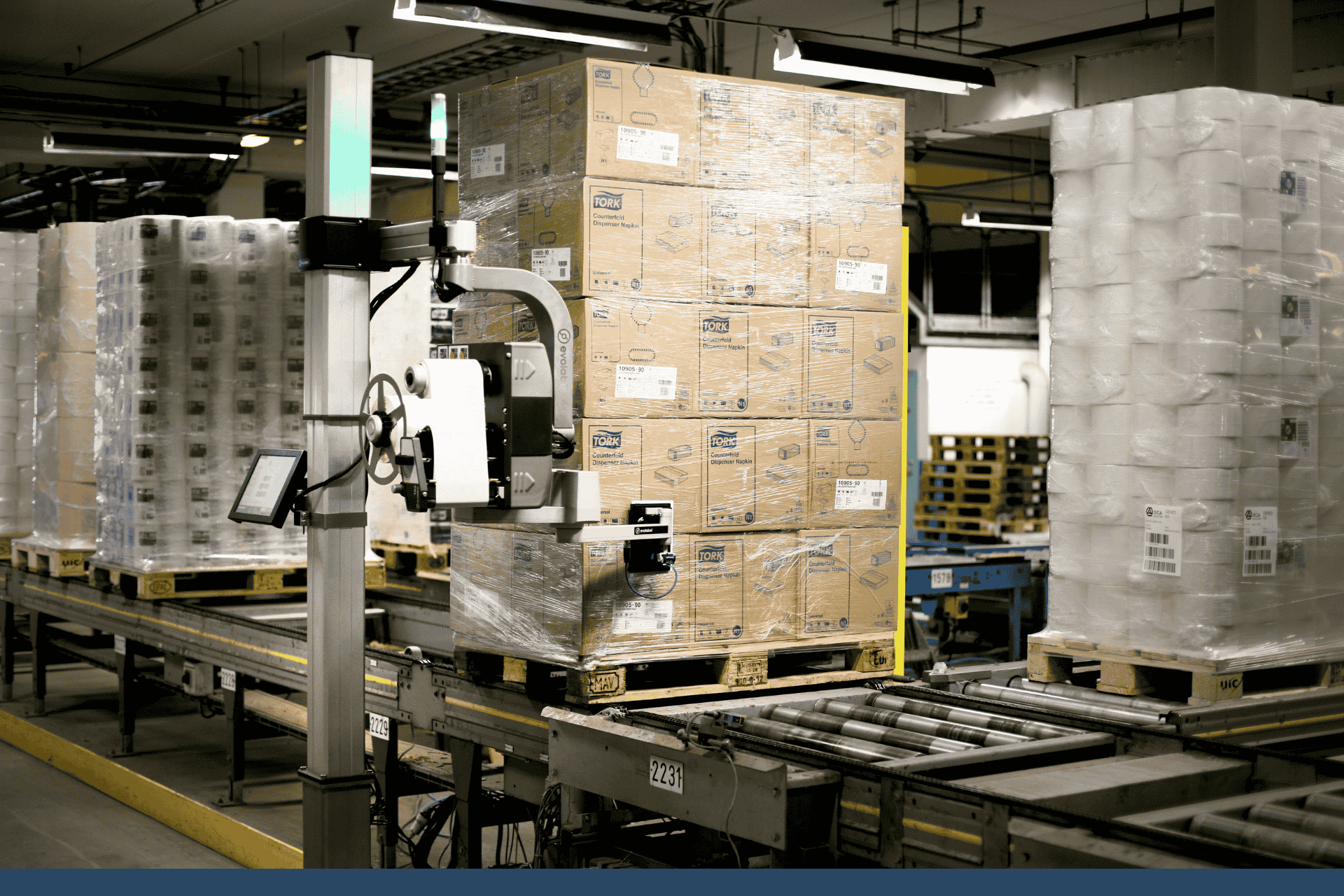
Denis Brett, Managing Director at Industrial Labelling Systems Ltd, explains how it is possible to tighten supply chains with durable, flexible and traceable labelling.The construction industry is largely project-based with complex supply chains. It only takes one link to unravel for it to impact negatively on build schedules, cost forecasts and customer satisfaction.


The packaging and labelling industry could see a raft of changes as we head into 2025, as regulations change, businesses continue to look for ways to reduce costs, and consumers demand greater transparency and sustainability.In this blog, we’ll look at some of the potential legislation changes that lie ahead as well as examine how manufacturers can use automatic labelling to remain compliant.
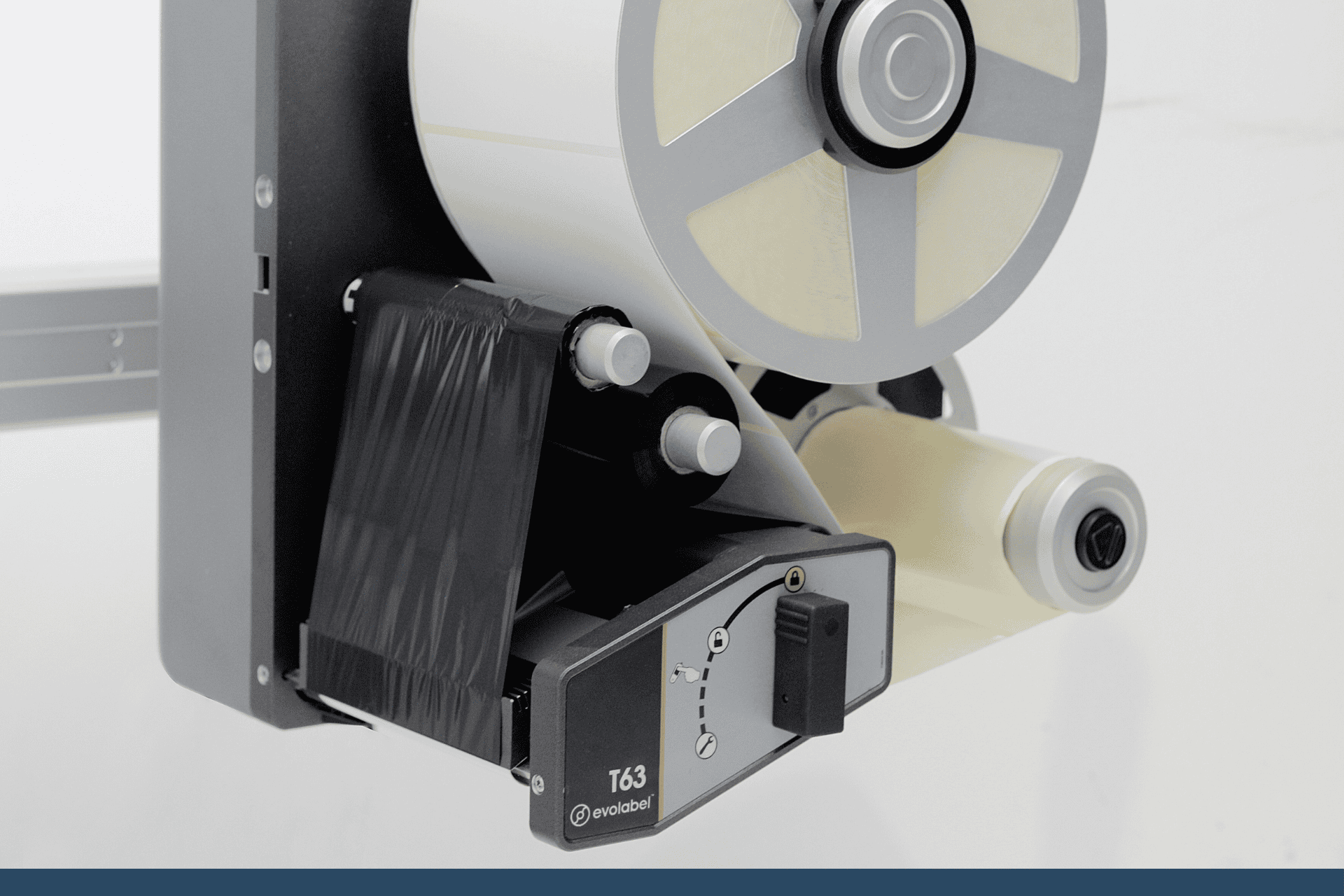
Reliable equipment and dependable customer support were behind a leading cooked meat supplier’s decision to update its packing lines with equipment from long-standing labelling partner, Industrial Labelling Systems (ILS).Forza Foods’ No 1 choice for pallet and box labelling requirements since the company was established just over 15 years ago, ILS has installed nine T63 eTamp thermal transfer printers during that time at the food firm’s Cleckheaton and Normanton sites in Yorkshire.
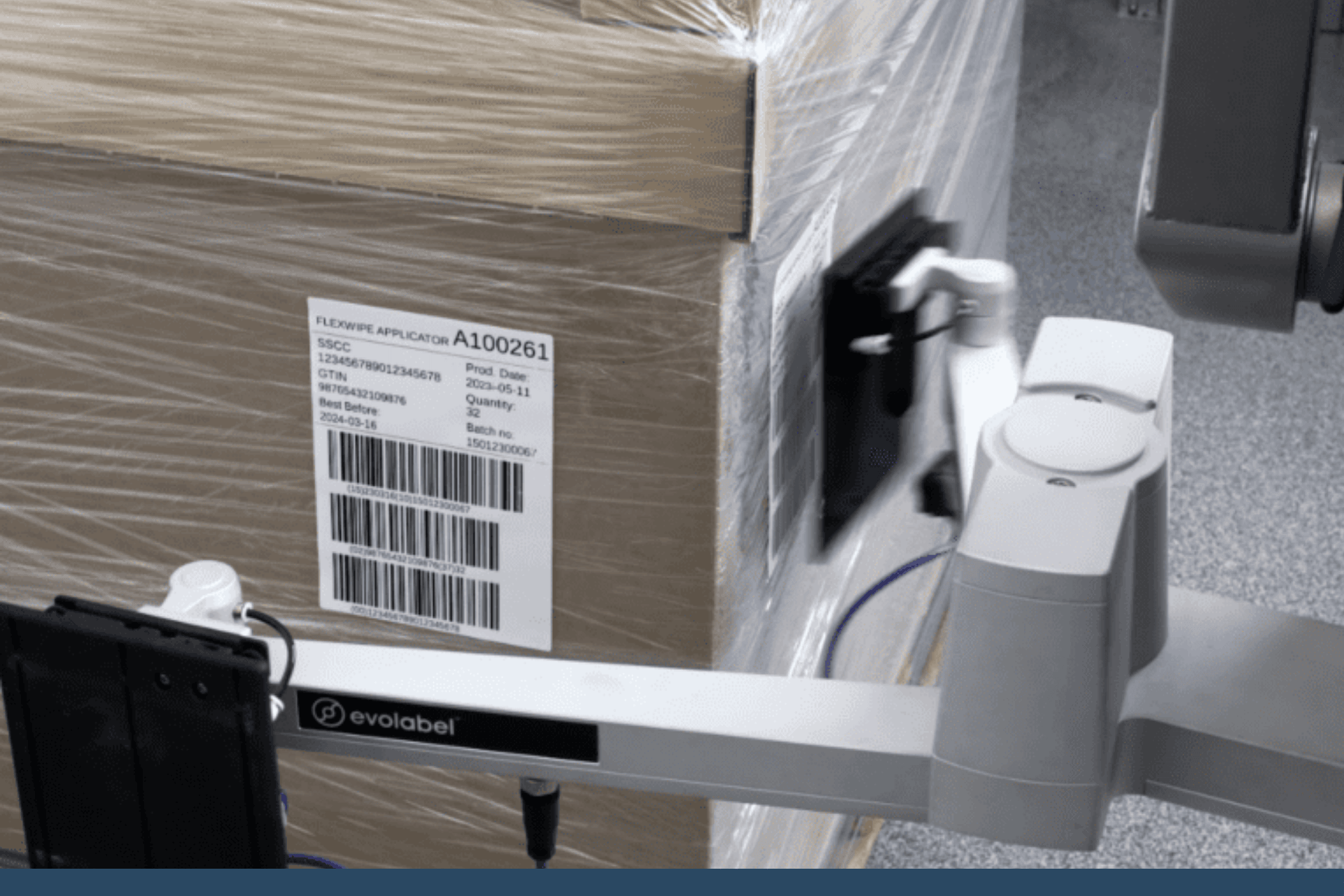
As businesses expand product lines and increase production volumes, it’s essential that the systems they have in place can support and encourage growth. Crucially, the network infrastructure must be robust enough to keep up with the demands of automated systems such as print and apply labelling machines as capacity increases.Implementing a scalable network infrastructure futureproofs operations and allows for potential growth. In this blog, we’ll look at why this is so important and advise on how to build a network foundation that supports long-term success.

Whatever industry you’re working in, from retail to manufacturing to logistics, there’s a high chance you rely on barcodes or other forms of labelling in some way. Whether it’s to ensure the traceability of goods, maintain food safety standards or manage your inventory, labels and the information they contain can be key to keeping things running smoothly.It’s therefore vital that your labelling processes are accurate and efficient, and that’s why businesses are increasingly undergoing ‘labelling makeovers’ to overhaul their old or outdated equipment and methods and bring them up to date.But how do you know when it’s time for a makeover?
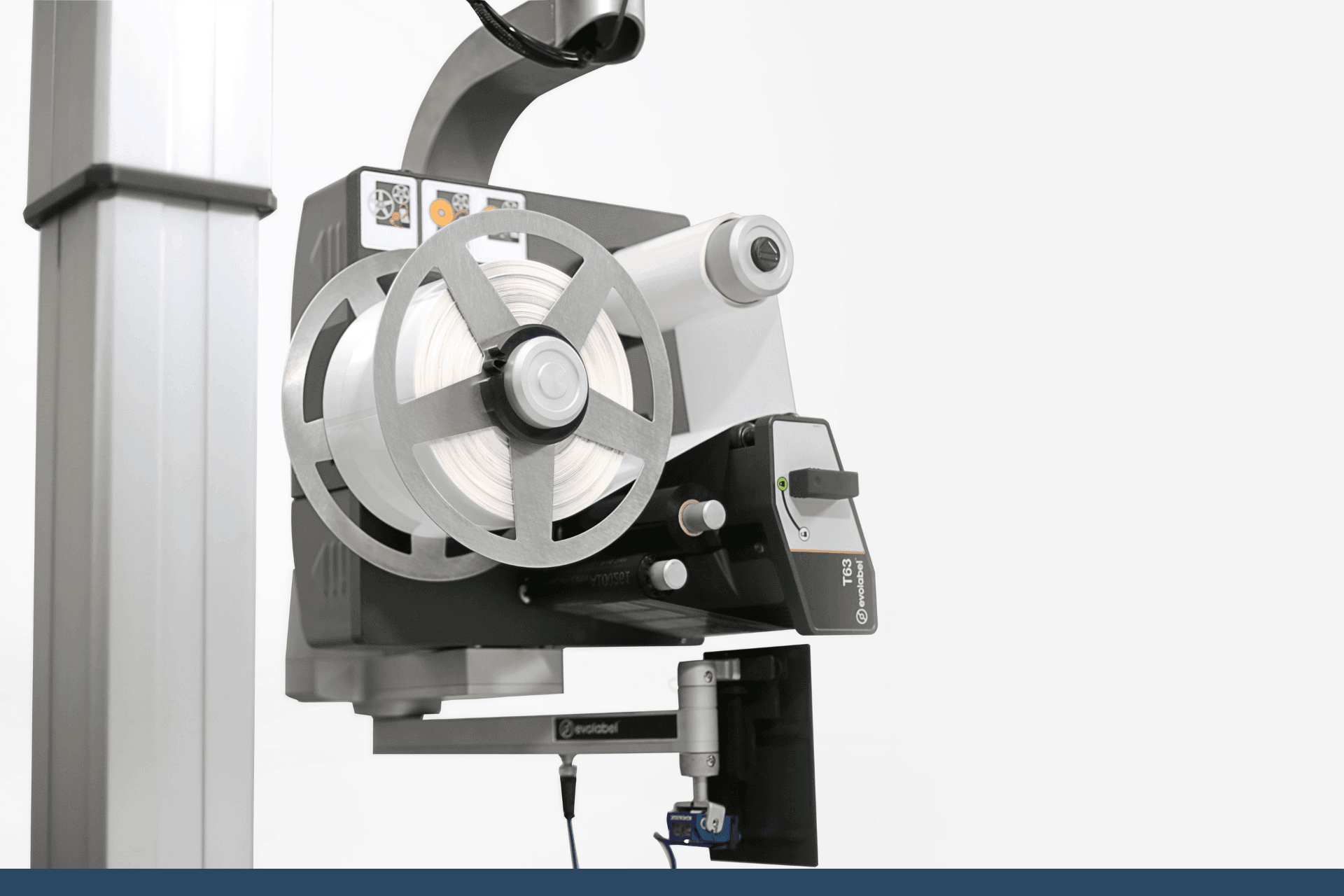
High repair and maintenance costs usually mean it’s time to replace existing equipment, which is why a long-term partnership with a trusted supplier was key to Crown Packaging Europe’s decision to install new pallet labelling technology from Industrial Labelling Systems Ltd (ILS).Crown made ILS the first port of call when it needed to modernise a pallet labelling operation at the company’s packaging facility in Carlisle, having had previous experience of the labelling specialist’s automated solutions and dependable customer support.

The advantages of print and apply labelling systems have been covered before, but if businesses are to fully realise the benefits of an automatic labelling machine, they must have the necessary network infrastructure in place.Print and apply systems, which automate the process of printing labels and applying them to products, packages, or pallets, rely on the seamless transfer of data between different systems to operate. A weak or unreliable network can lead to delays, errors and disruption, which can have a knock-on effect on the whole supply chain.
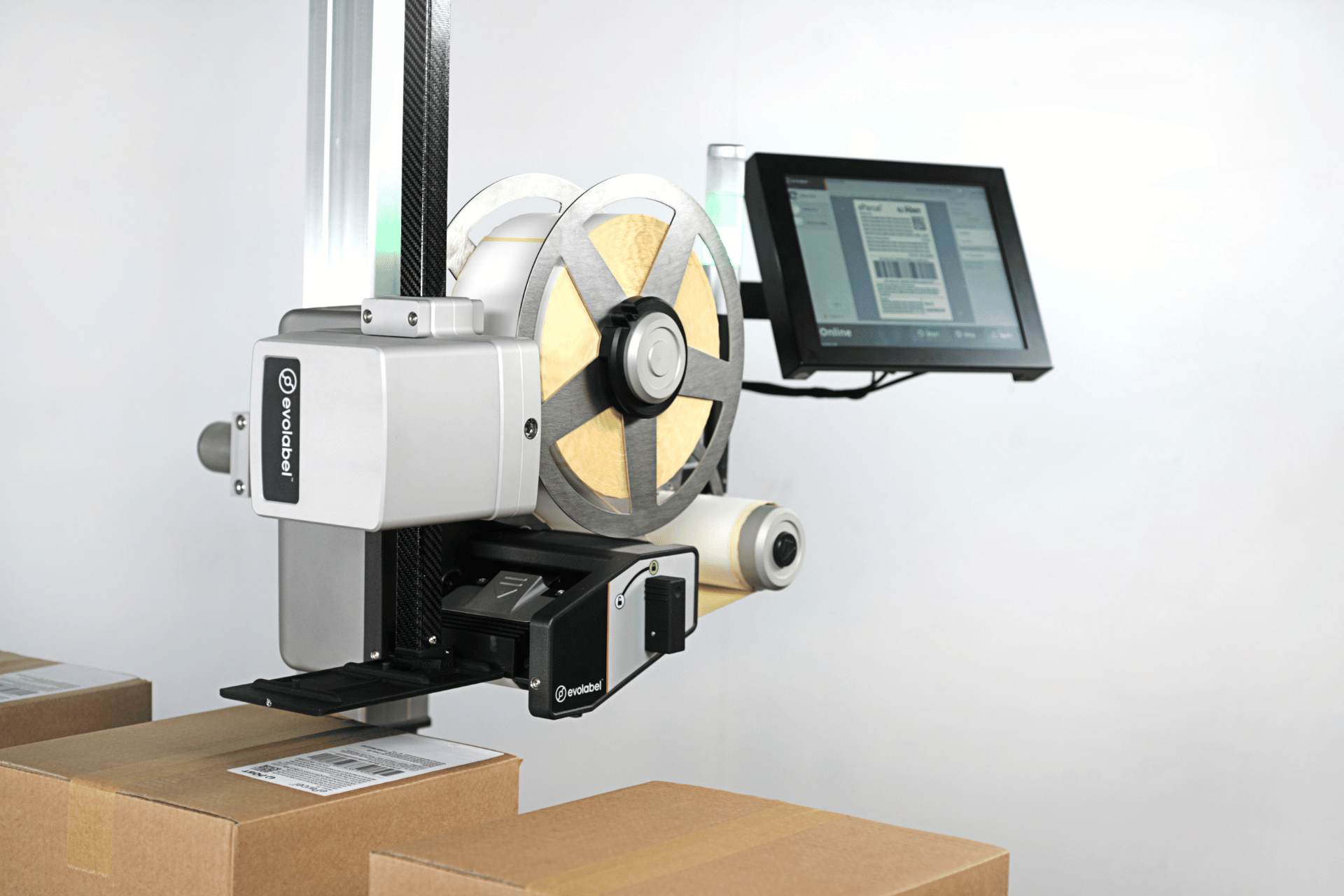
The growth of ecommerce means more deliveries, and whether you’re a supplier or a customer, knowing where your products are in the supply chain has never been so important.Swift delivery times and good communication are consistently rated as two of the most important factors influencing customer satisfaction and loyalty in B2C; they help consumers feel reassured their orders will arrive on time and confident in the supplier they’ve chosen. So, it’s hardly surprising that B2B buyers are increasingly looking for a similar experience.

Key to success for any business is managing overheads, and with running costs and the price of raw materials rising, it’s never been more important to monitor budgets and work as efficiently as possible.This includes looking for ways to streamline operations and automate processes, and, for many, investing in an automatic labelling system ticks both of these boxes.
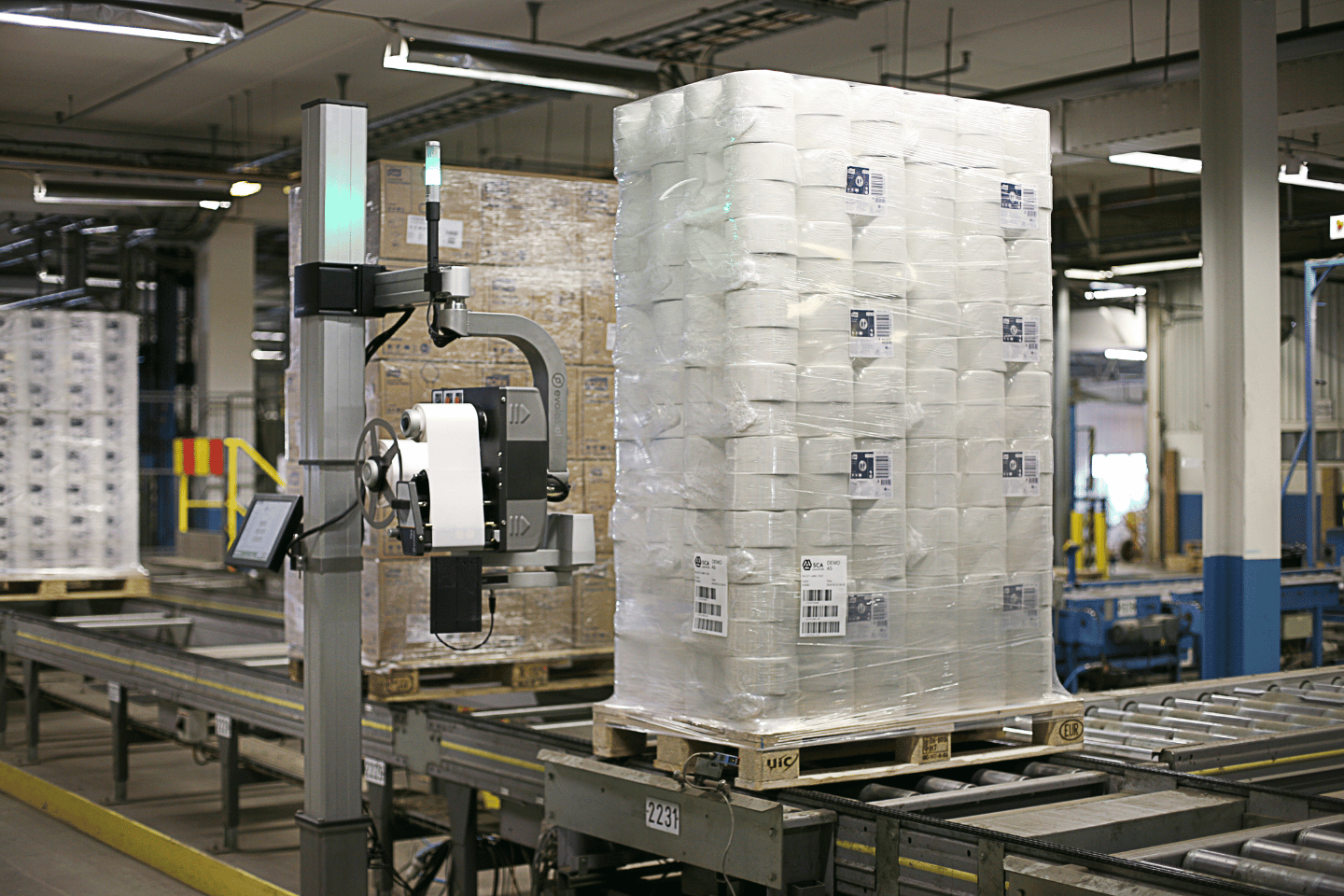
Labelling serves as a method of communication between manufacturers, regulators, and consumers. It promotes efficient business operations, ensures that products are used safely and correctly, supports regulatory compliance and more.The essential information that labels provide makes them a critical tool for any business – but applying them manually can be a slow and laborious process. Inconsistencies in placement or print quality can affect readability, brand perception and customer satisfaction, and it can be difficult to scale and manage high volumes.