



Compressed air plays a crucial role in labelling automation and remains widely used across manufacturing and packaging environments. For many applications, pneumatically assisted systems provide reliable and proven performance, making them a practical choice for a wide range of production lines.

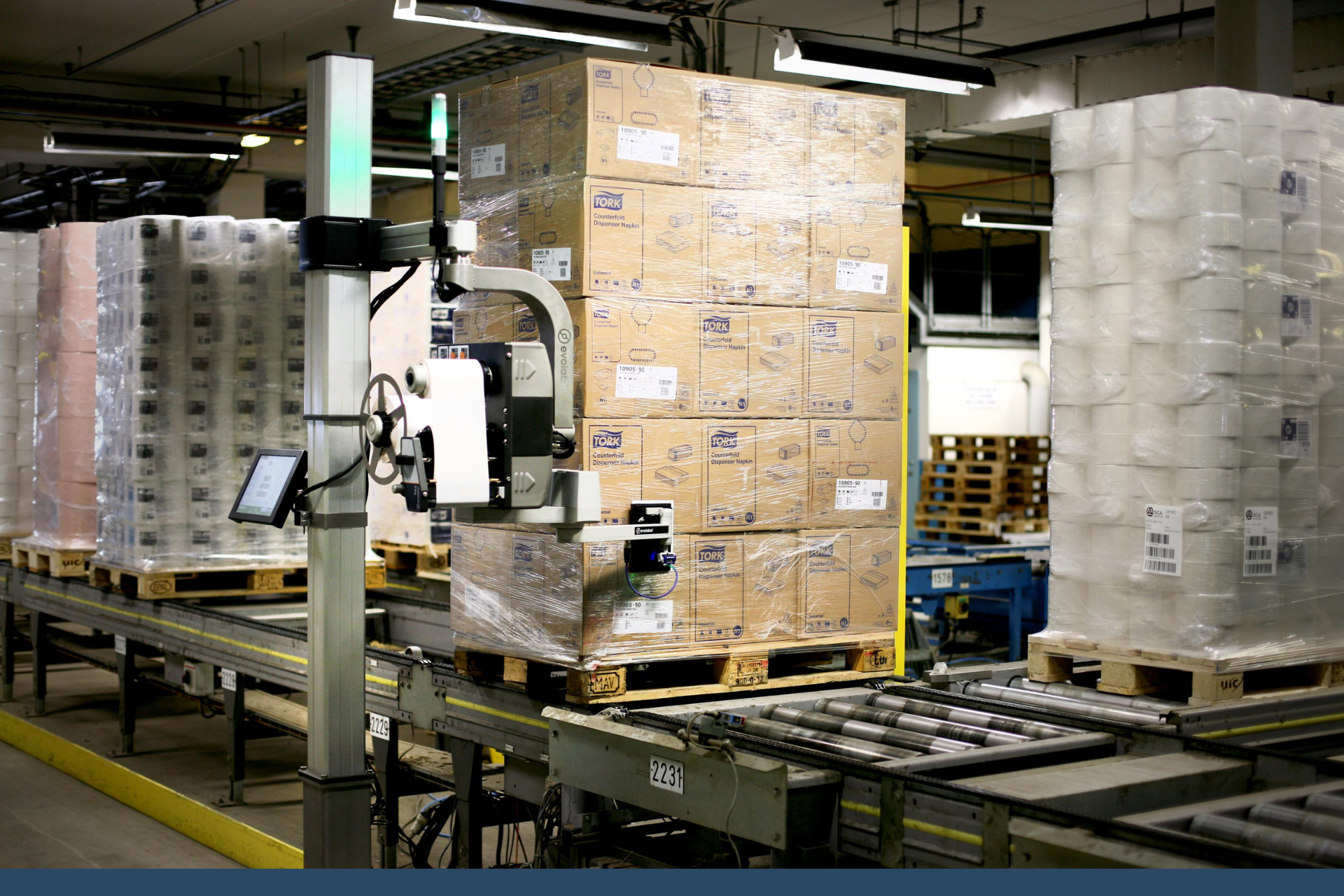
Automation is transforming every stage of manufacturing, and packaging and labelling are no exception, with automated technology playing an increasingly valuable role in helping manufacturers keep pace with rising volumes and tighter compliance requirements.
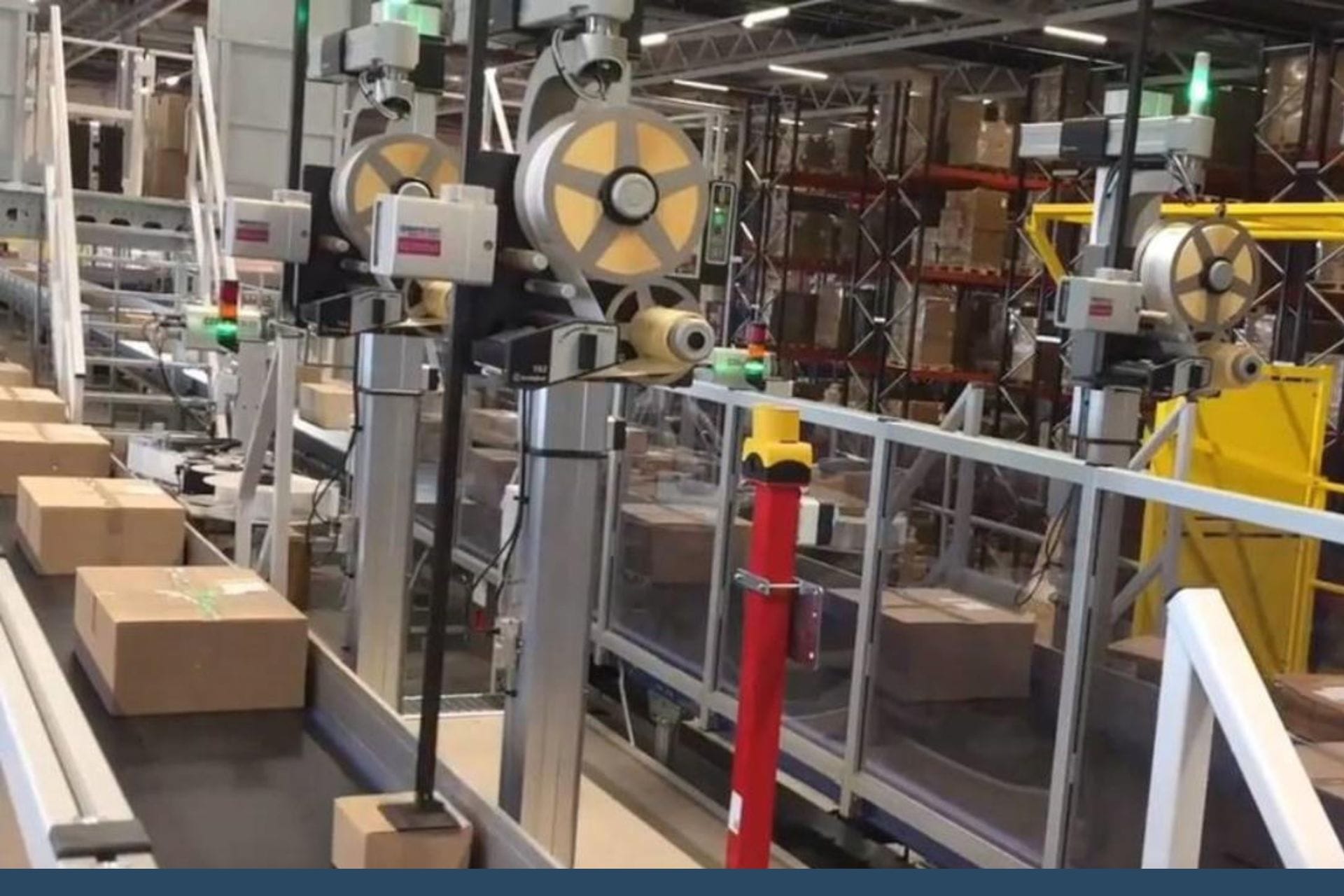
Accurate labelling is essential for efficiency, traceability, and compliance in manufacturing operations. Across every production line, from individual products to pallets ready for distribution, print and apply systems play a critical role in ensuring information is clear, consistent, and reliable.At Industrial Labelling Systems (ILS), we provide specialist print and apply solutions that help manufacturers automate and standardise product identification at every stage of production. Whether applying labels directly to individual items, outer cases, or pallets, our systems are designed to support quality control, traceability, and compliance across diverse manufacturing environments.

In the food and beverage industry, accurate and compliant labelling is essential for ensuring safety and efficiency, and maintaining consumer trust. From primary packaging to secondary cases and pallets, every label carries vital information that enables traceability and ensures compliance with strict industry standards.
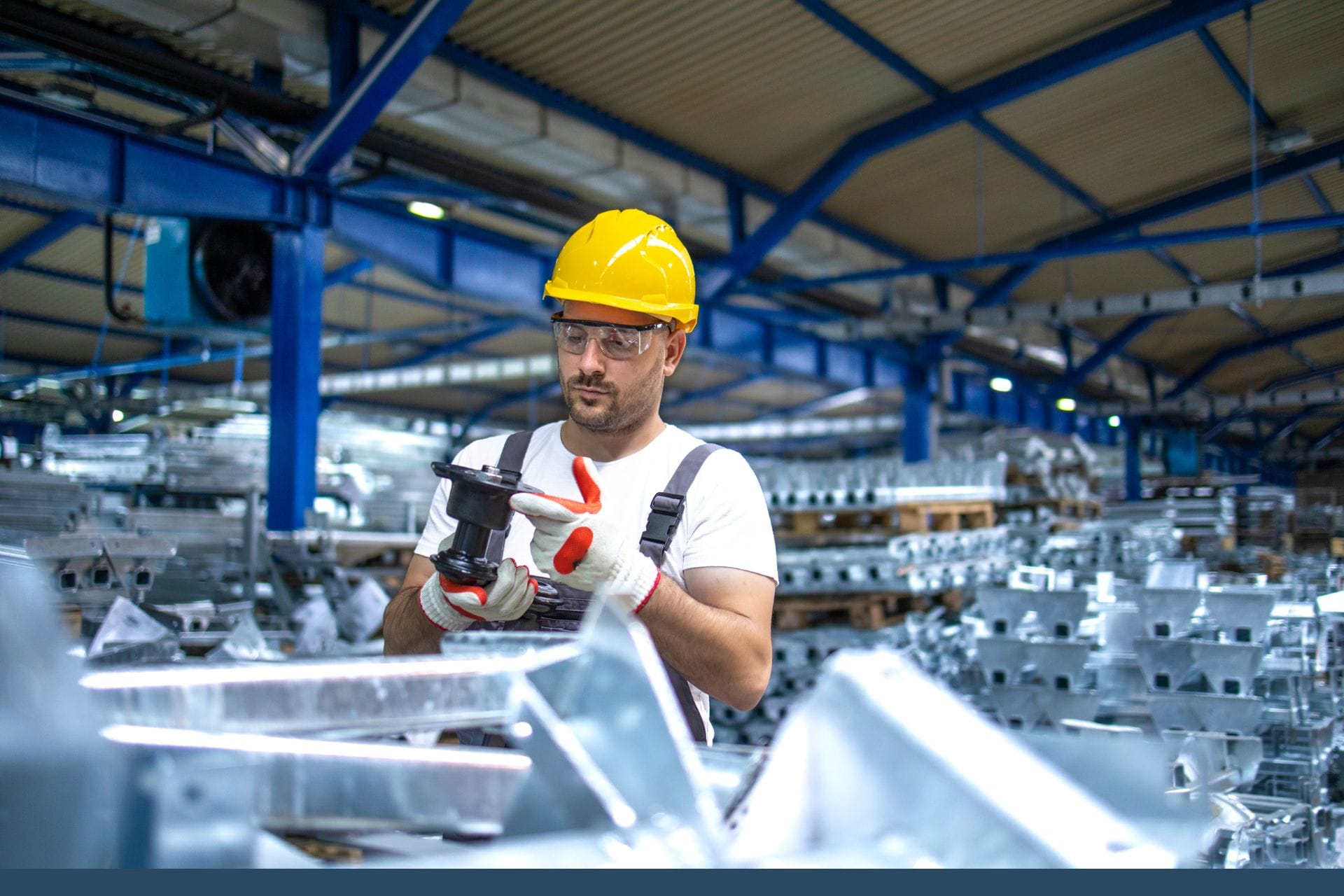
Regular print + apply machine maintenance is essential to keeping labelling operations running efficiently. A well-maintained system delivers reliable performance, reduces downtime, and extends equipment life. This guide explains why regular maintenance is important, the benefits it brings, and how professional servicing ensures long-term reliability.
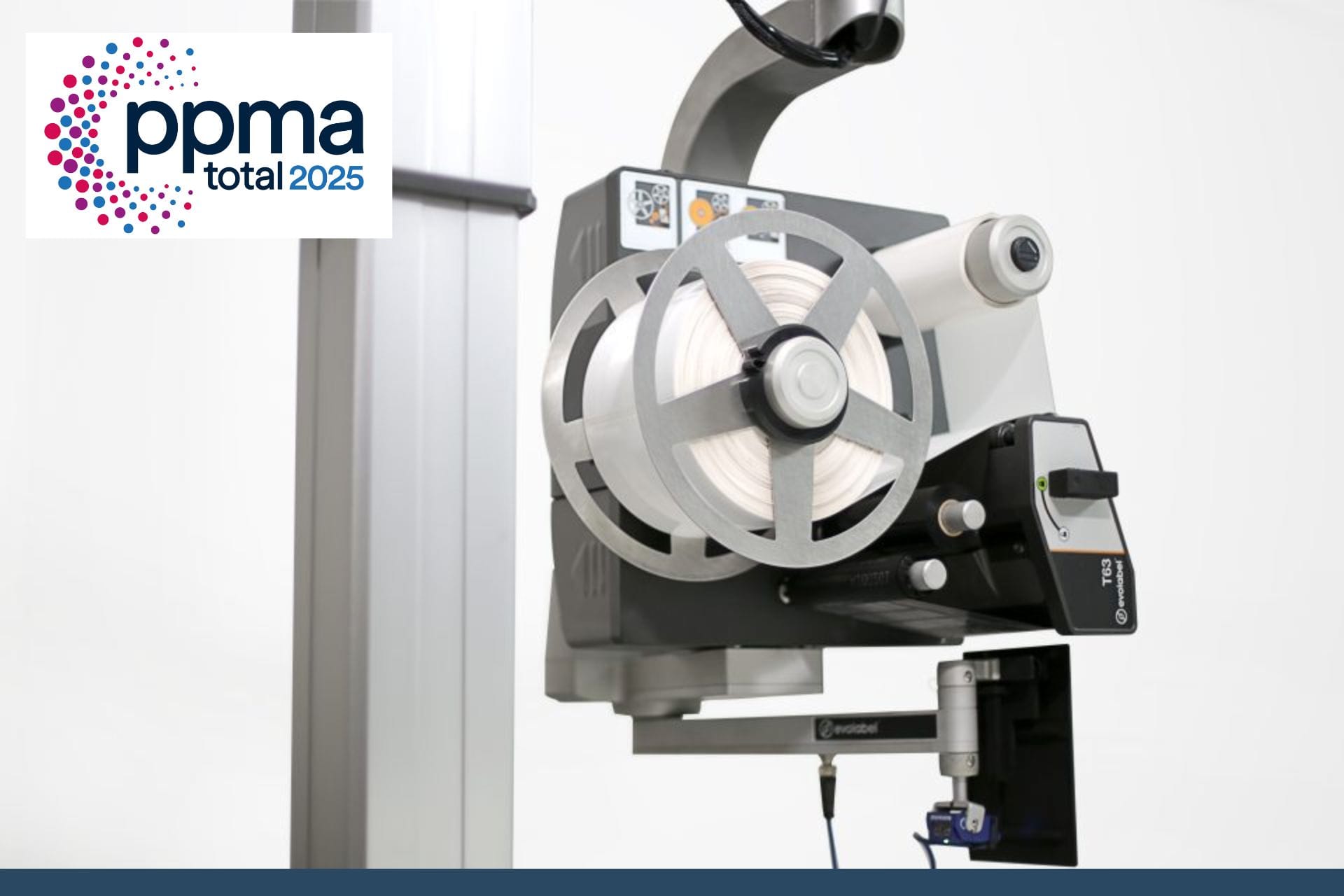
We’re delighted to share that ILS will be exhibiting at this year’s PPMA Total Show 2025, from 23rd - 25th September at NEC, Birmingham.
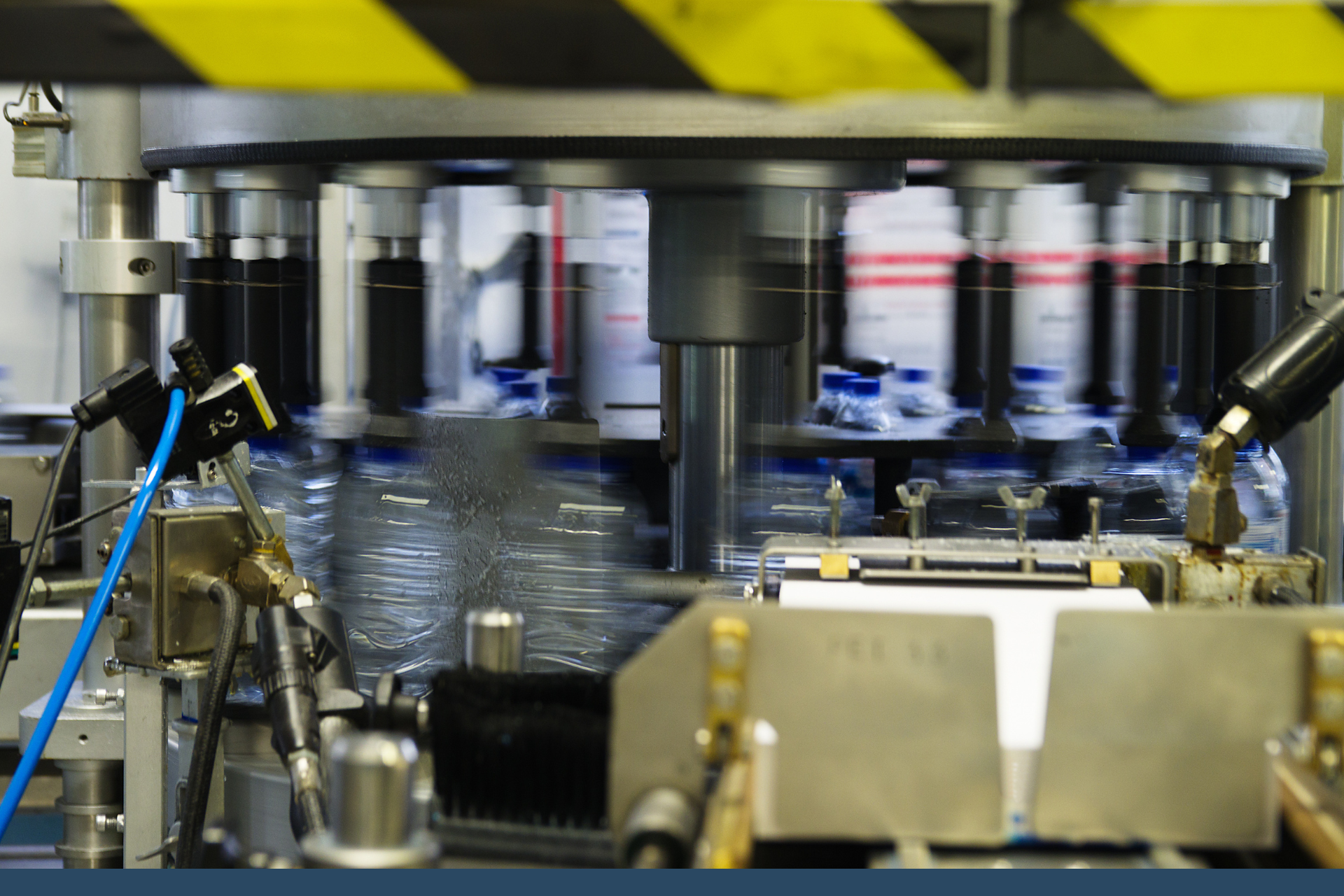
Whether you’re investing in a new print + apply system, or replacing legacy equipment, there’s a lot to consider. You want to invest wisely in the right system and ensure that it meets your current needs, as well as supporting your business’ future growth - but with such a diverse array of options on the market it can be difficult to know where to start.This step-by-step guide will help you select the ideal print and apply labelling system to suit your needs. Of course, our expert team is also on hand to offer advice and guidance so feel free to get in touch!
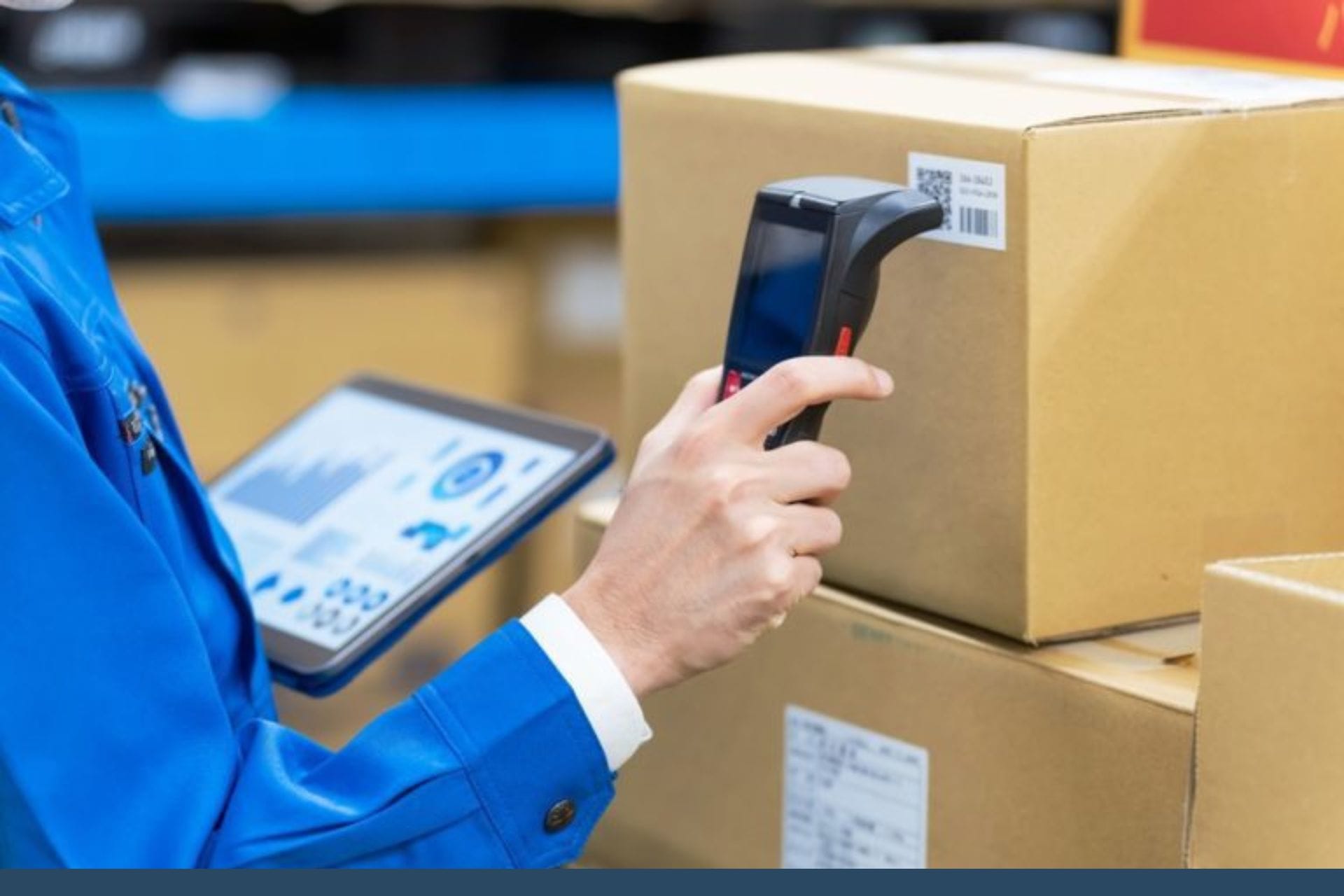
Barcode and Radio-frequency Identification (RFID) technologies, integrated with a Print + Apply system, are powerful ways to enhance your product tracking and inventory management.