


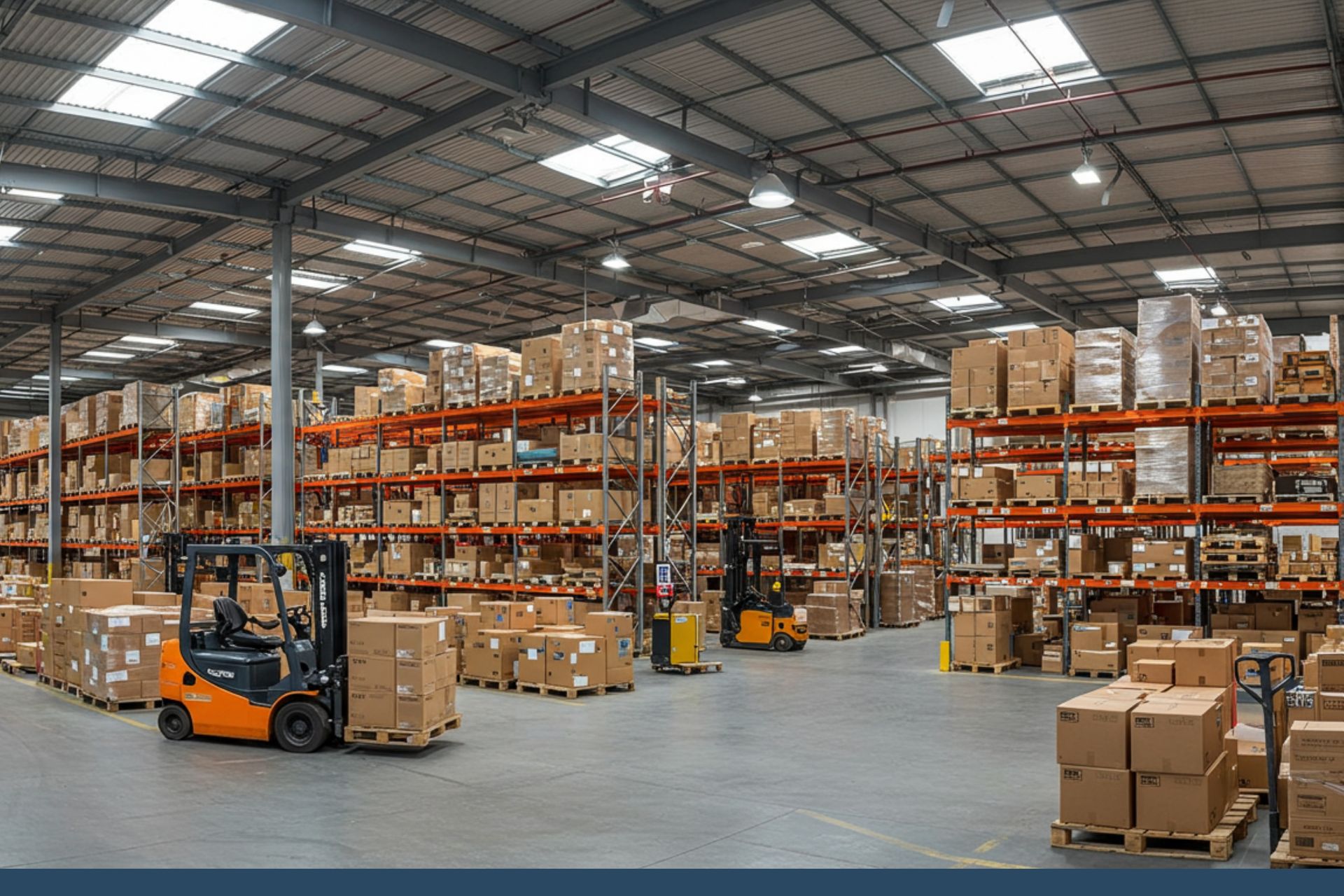
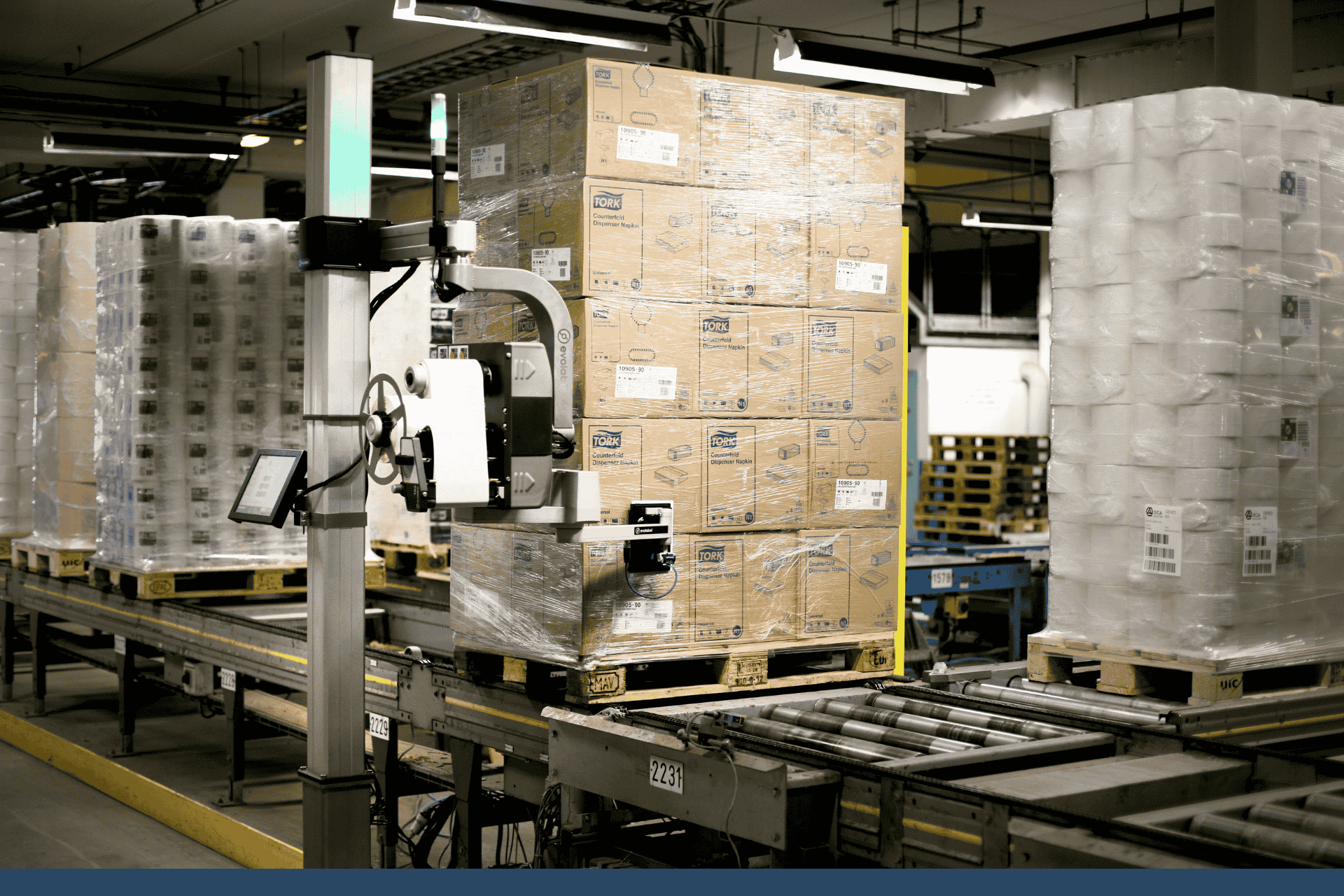
In a busy warehouse, there’s no time for downtime or delays. Every part of the operation has to work to maximum efficiency to keep the supply chain moving.That’s where print and apply labelling comes in. The multiple steps involved in manually applying labels can cause bottlenecks and backlogs, but automating the process removes these, boosting productivity and simplifying stock control.

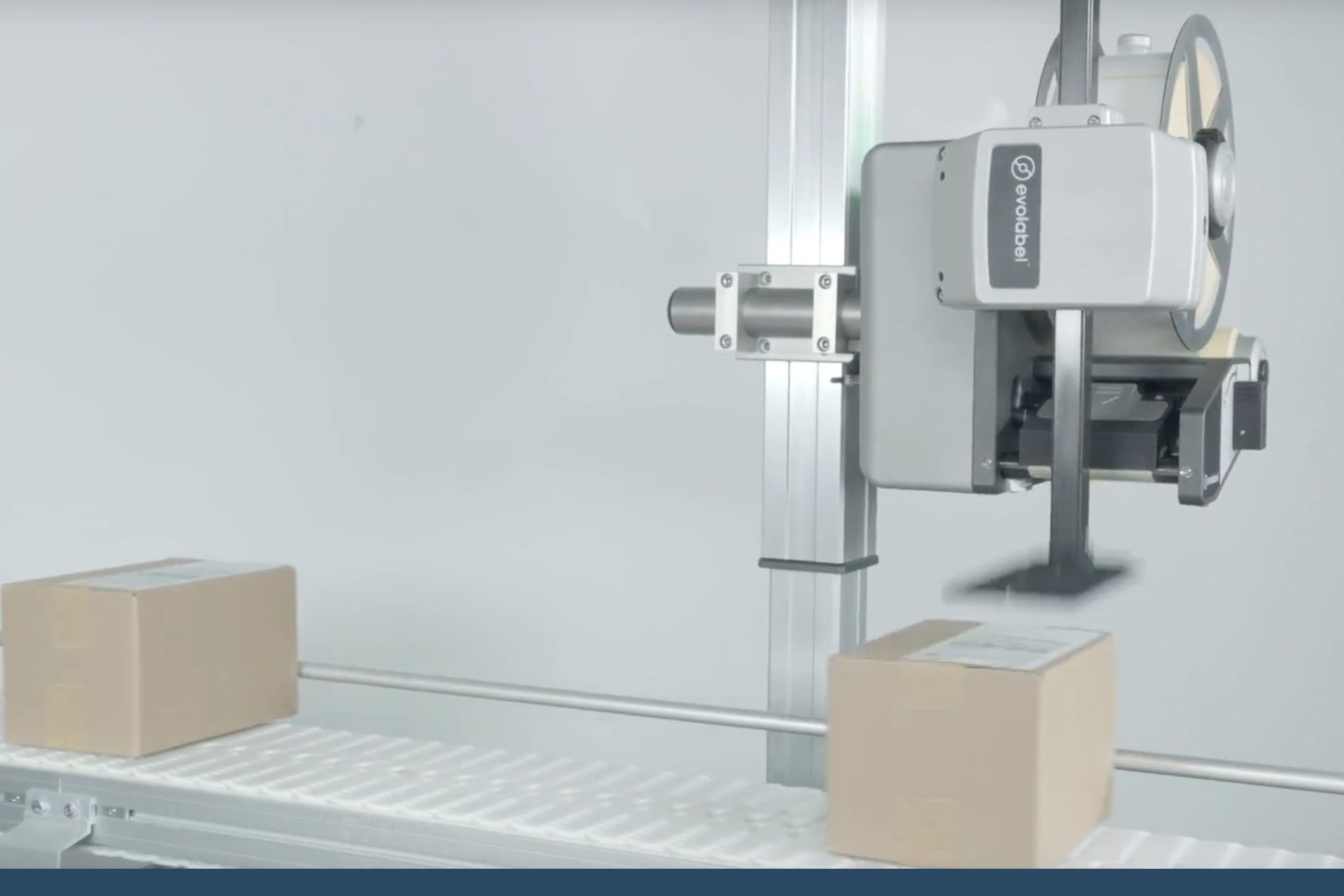
While manual labelling might seem a cost-effective process, the low price of consumables can be misleading. A 2023 report found 95% of businesses had incurred additional costs due to poor-quality label printing, with issues ranging from downtime on production lines to delayed deliveries.

From more efficient systems to reducing wastage, businesses that want to stay competitive must find ways to streamline processes and cut costs, without compromising on quality or compliance.
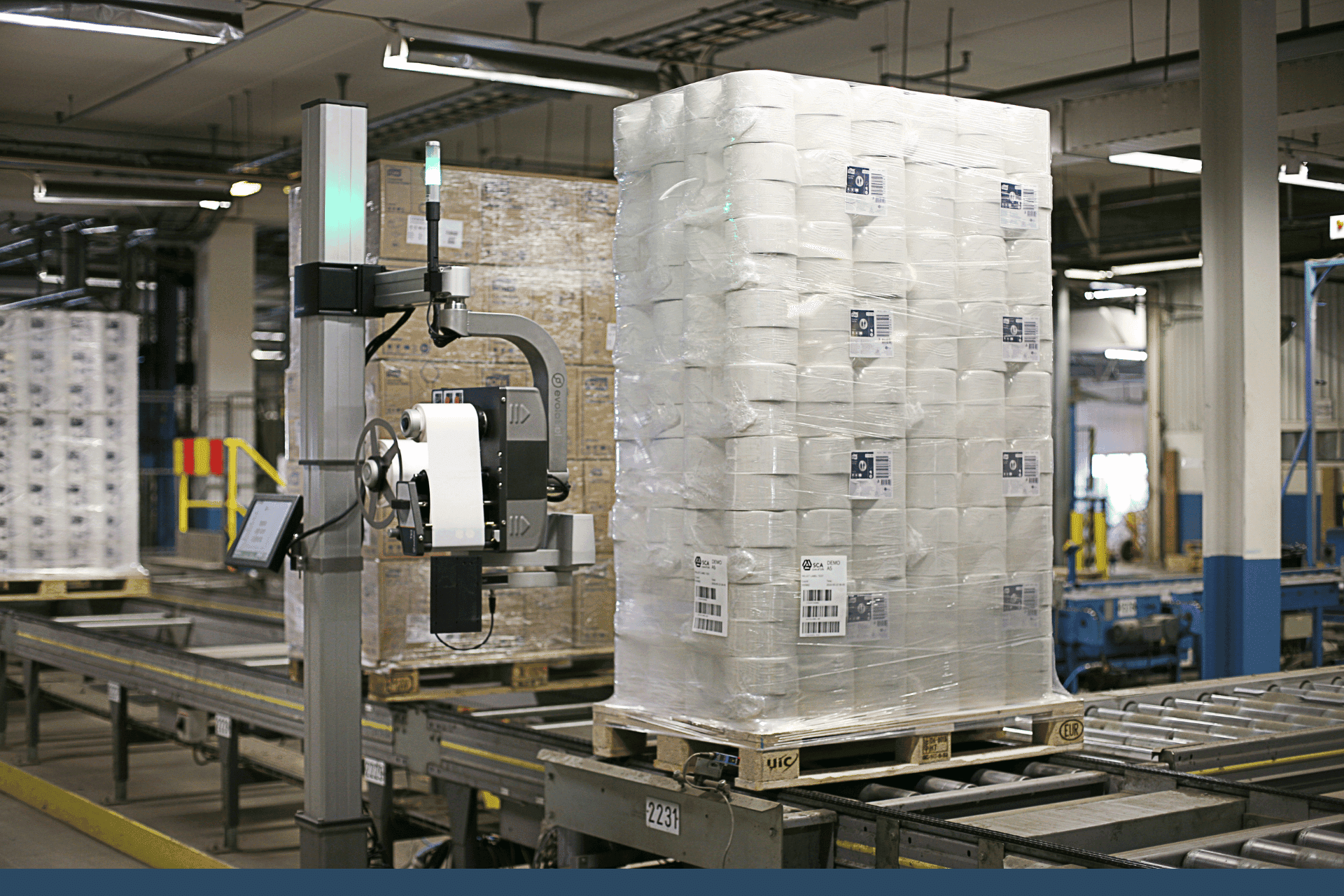
Automated labelling specialist Industrial Labelling Systems (ILS) is expanding into Scotland, with the appointment of a new regional sales manager covering the country.

Integrating auto-labelling machines into your operations can bring a number of benefits, from improving efficiency to reducing manual errors, but many businesses shy away from adopting them because of concerns over networking.In this blog, we’ll debunk three common myths which often prevent companies from taking full advantage of print and apply labelling systems, explaining how modern solutions are designed to be easier to implement than ever.
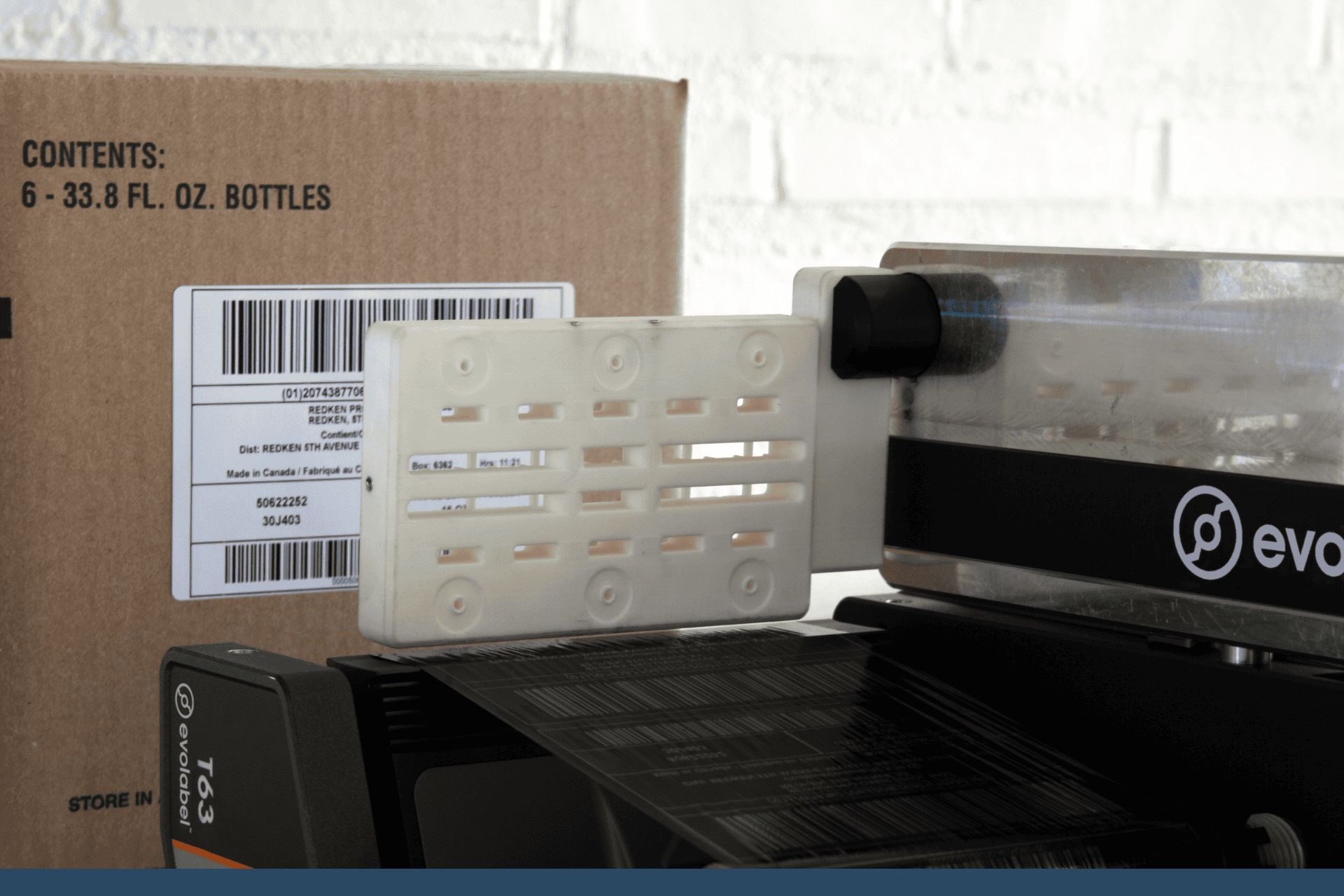
If businesses want to remain competitive, they have to streamline their operations, reduce downtime and deliver products faster – without compromising on quality. How? By embracing frictionless production, a concept that involves implementing seamless workflows and optimised processes to minimise delays.A key part of achieving frictionless production is addressing common bottlenecks, of which labelling is often one. When labels are misaligned, incorrectly printed or applied wrongly, it causes delays, and these delays disrupt production flow and impact efficiency.This is where automatic print and apply labelling systems come in. By eliminating errors and speeding up application, they play a key role in achieving frictionless production.
Denis Brett, Managing Director at Industrial Labelling Systems Ltd, explains how it is possible to tighten supply chains with durable, flexible and traceable labelling.The construction industry is largely project-based with complex supply chains. It only takes one link to unravel for it to impact negatively on build schedules, cost forecasts and customer satisfaction.

The packaging and labelling industry could see a raft of changes as we head into 2025, as regulations change, businesses continue to look for ways to reduce costs, and consumers demand greater transparency and sustainability.In this blog, we’ll look at some of the potential legislation changes that lie ahead as well as examine how manufacturers can use automatic labelling to remain compliant.