How to Reduce Labelling Bottlenecks in E-commerce Fulfilment
While warehouse management software can process orders in seconds, and pick and pack teams often move just as quickly, for many high-volume logistics operations, parcels slow down dramatically the moment they reach the dispatch conveyor.
Fixing this problem means looking at why manual and basic labelling methods struggle under pressure, and how high-speed print and apply machinery can keep dispatch lines moving.
Discover our E-commerce and Logistics Labelling Solutions
What Causes Labelling Bottlenecks?
A fulfilment labelling bottleneck occurs when parcel dispatch rates exceed the physical capacity to print, verify, and stick variable shipping labels onto individual packages. This backlog forces packing lines to stop and risks missed courier collection times.
Common examples of these bottlenecks include:
Package size variation: Packing teams must stop to adjust for different carton heights, mail bags, and envelopes. Employees having to pause to line up and press down every label disrupts line momentum.
Manual label handling: Even when labels are printed quickly, operators still need to print, peel, position and apply each label by hand. As parcel volumes increase, this manual process can quickly become a bottleneck.
Barcode misplacement: Labels applied by hand often crease or tear. If a courier scanner cannot read the barcode, the parcel is rejected and must be checked and relabelled manually.
The Disadvantages of Manual Labelling
Modern fulfilment centres manage thousands of products. Every dispatched parcel requires unique information, including tracking numbers and delivery addresses.
The industry standards body GS1 UK specifies that logistics barcodes must meet clear print quality standards. When operators rush to clear parcel backlogs, label placement slips. Crooked, creased, or faintly printed labels lead to unreadable barcodes and delivery errors, resulting in carrier penalty charges.
Manual labelling also struggles with changing packaging materials. Many facilities now use a mix of recycled cardboard boxes and plastic mailing bags. Sticking labels onto varied packaging by hand breaks the natural rhythm of the line and limits daily output.
Reducing Bottlenecks with Print and Apply Automation
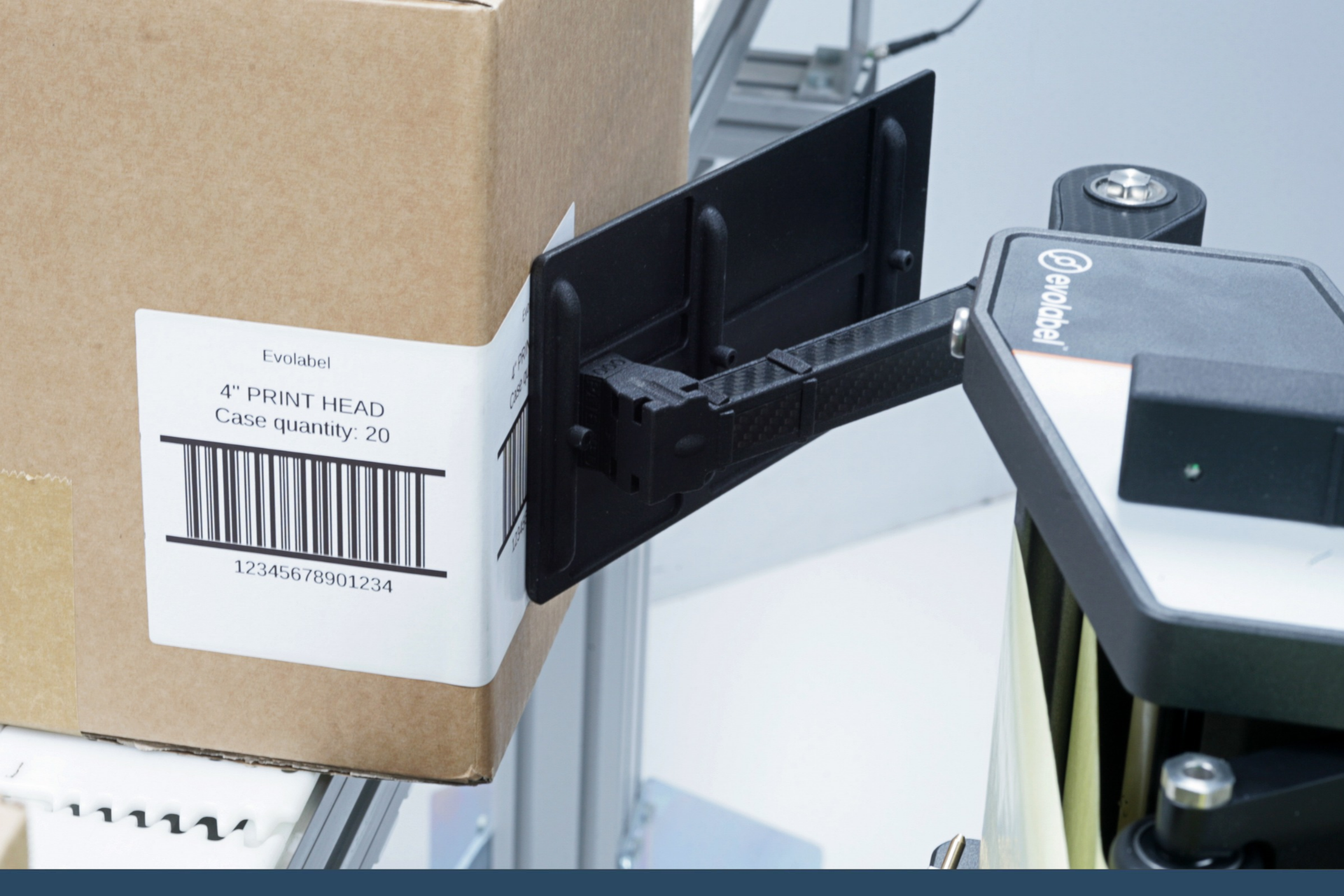
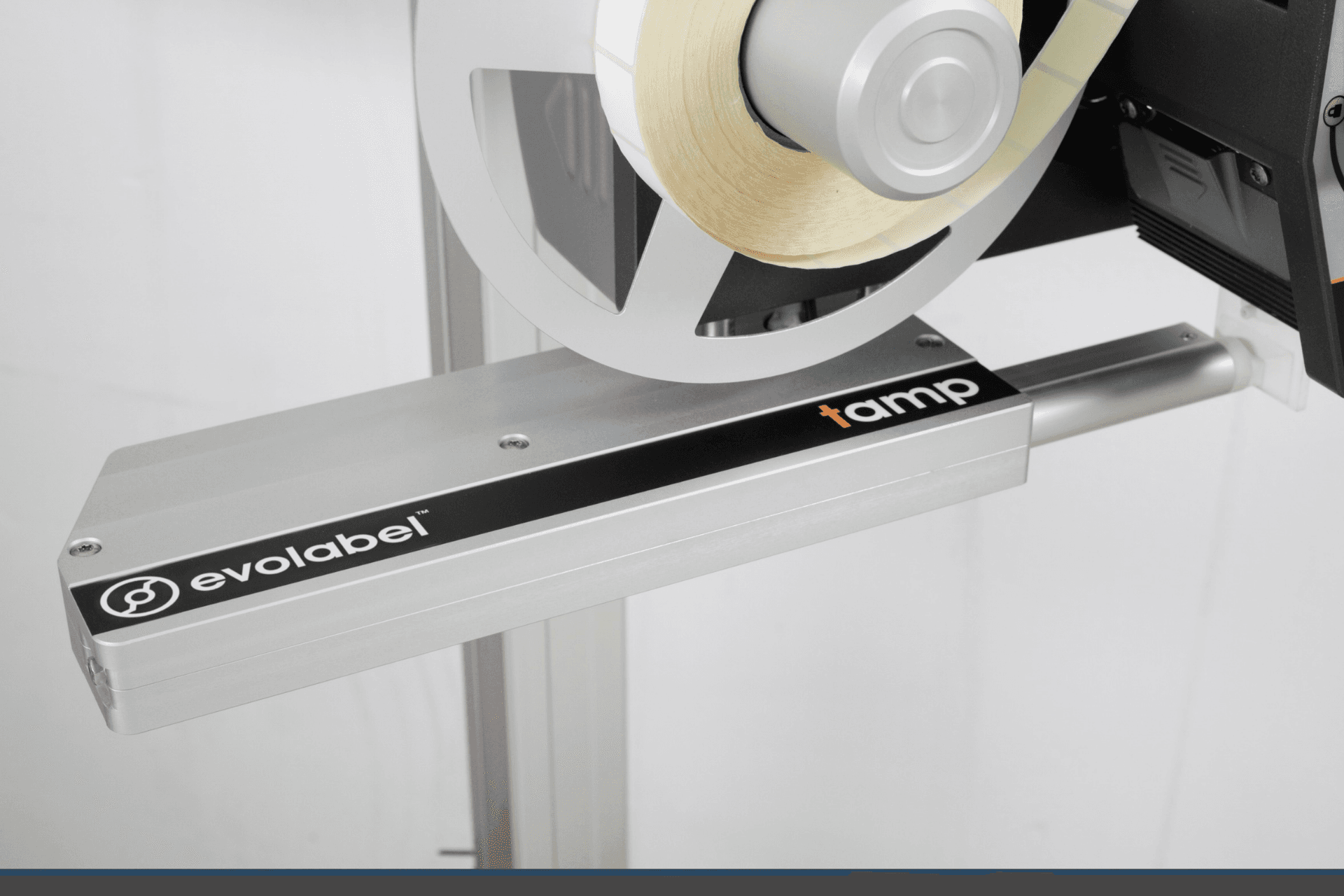
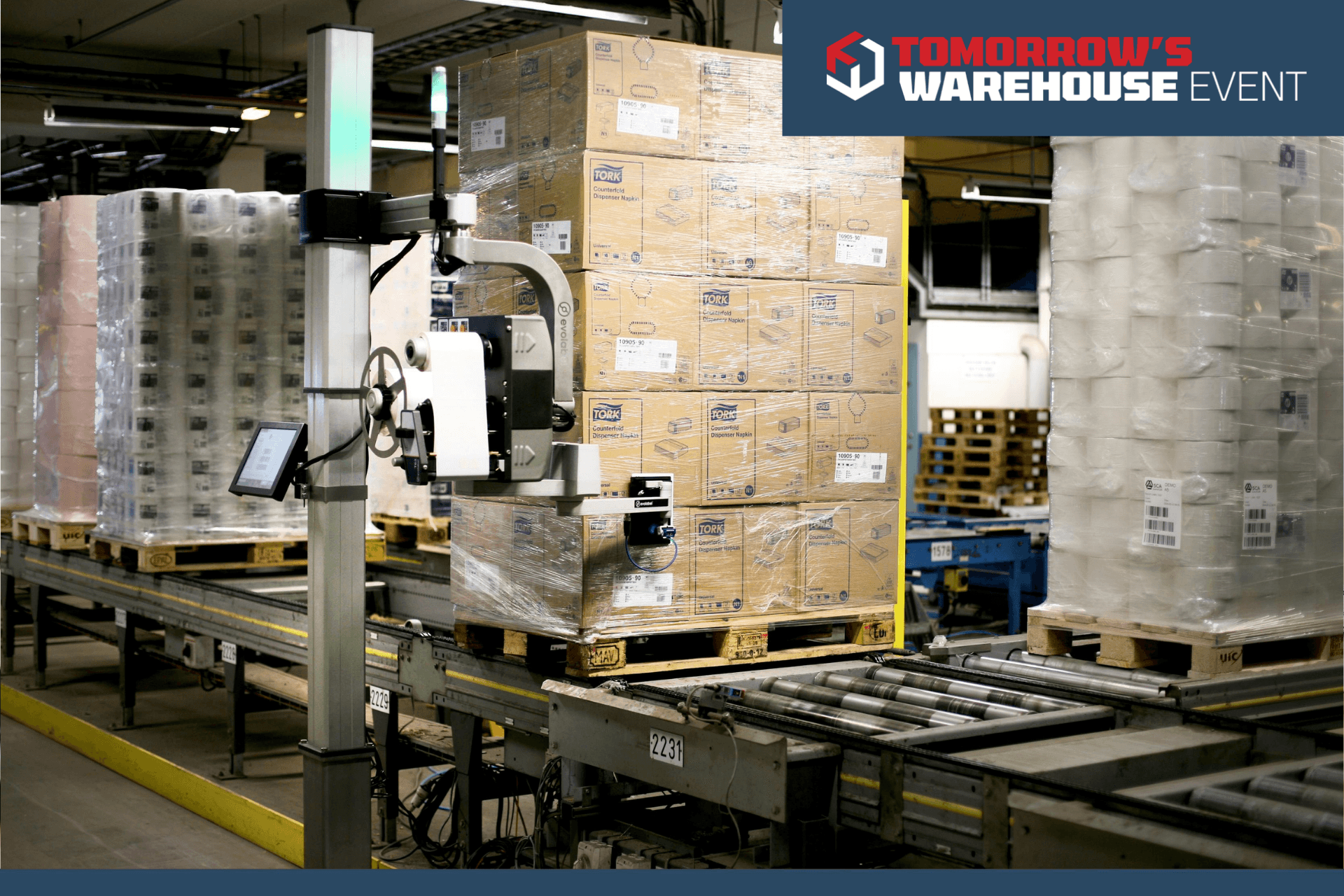
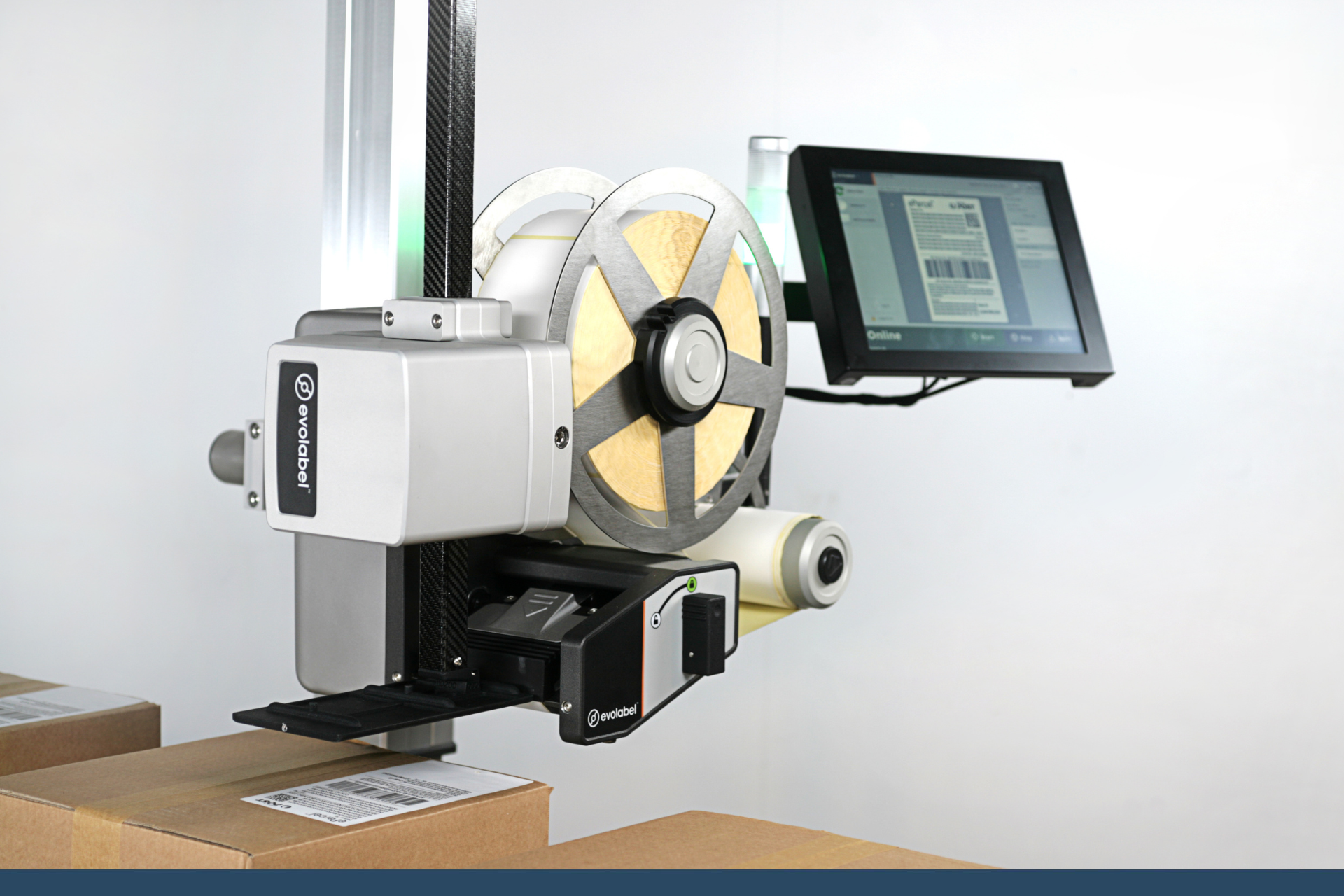
Automated print and apply machines fit directly over existing conveyor systems. Instead of relying on manual work, these units link with warehouse management software to print and place the correct label as each item passes.
At Industrial Labelling Systems (ILS), our automated e-commerce and logistics labelling systems:
- Automatically detect and adapt to variable carton heights from 0–1200 mm, ensuring precise label placement on mixed-size packages.
- Maintain line speeds of up to 80 m/min and label up to 40 packages per minute, ideal for high-volume fulfilment centres.
- Seamlessly integrates with enterprise resource planning (ERP) and warehouse management systems (WMS), enabling barcode and RFID-based data capture for track and trace capability.
- Advanced sensing technology ensures labels are placed accurately, even on fast-moving or irregularly spaced parcels.
- Tactile apply mechanism stops immediately if obstructed, ensuring complete operator and equipment safety.
- Dual-system configurations allow for duty/standby operation to eliminate media changeover downtime and maintain continuous output.
E-commerce and Logistics Labelling Solutions at ILS
ILS delivers complete e-commerce and logistics labelling solutions engineered for high-speed fulfilment, postal and distribution operations.
Combining high-performance print and apply technology with approved label materials, software integration and expert support, our systems deliver fast and accurate label application.
We can help you to increase throughput and meet growing customer expectations.
Find out more about our e-commerce labelling solutions
Increase Uptime with Evolabel Cooperative Mode
For high-volume fulfilment operations, uninterrupted production is essential. Evolabel’s Cooperative Mode (Co-Op) allows up to four print and apply systems to operate as a single coordinated solution, increasing capacity while providing built-in redundancy. By automatically sharing labelling tasks across multiple printers, Co-Op helps reduce downtime, maintain throughput during peak periods, and scale capacity as demand grows, without the need for additional software or complex integration.
Get in touch with our team today to discover how our tailored solutions and Evolabel’s Cooperative Mode can help eliminate labelling bottlenecks.
Get in touch