

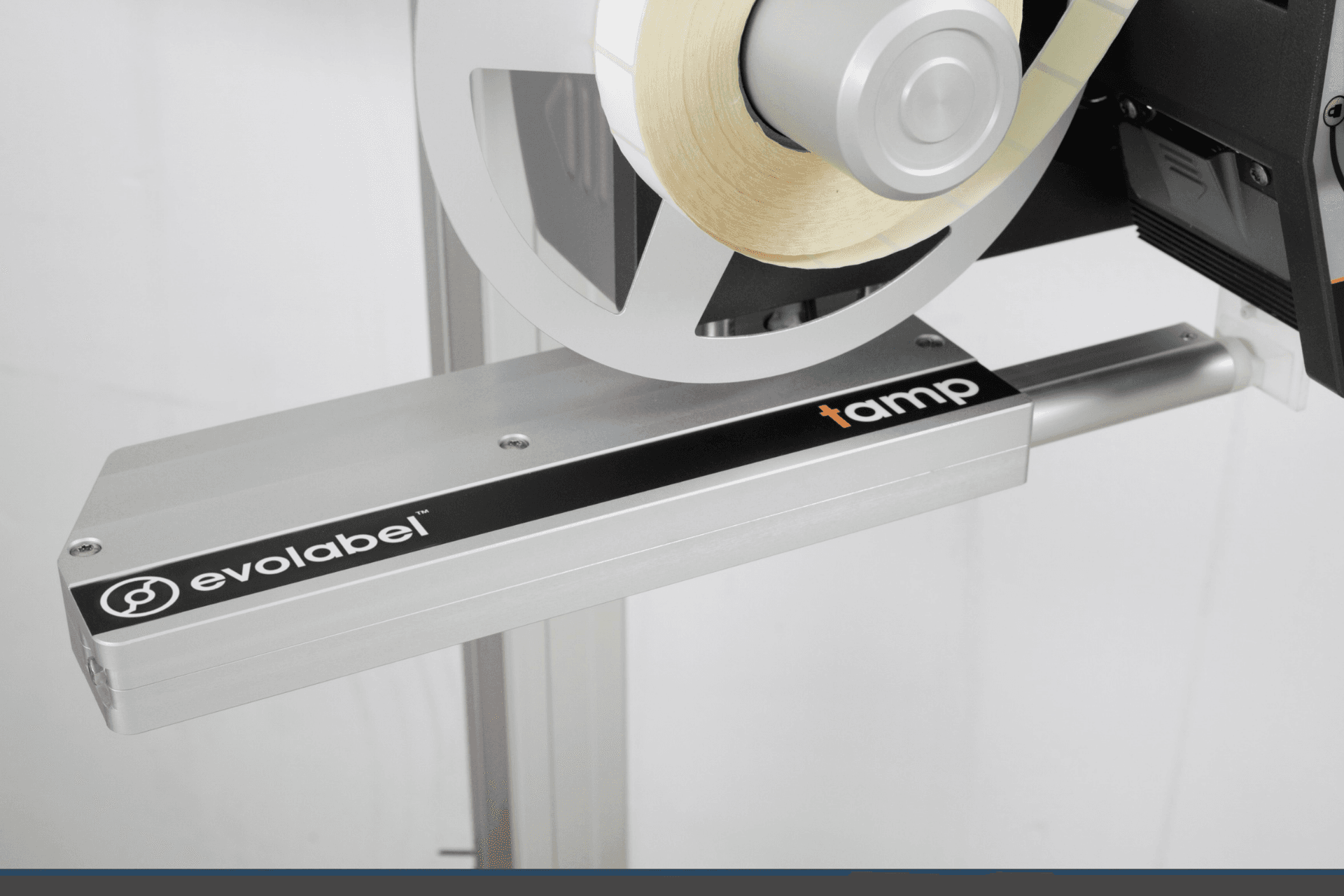
When specifying an automatic print and apply labelling system, one consideration is how the applicator is powered and whether compressed air is required. Compressed air has traditionally played an important role in print and apply technology. Depending on the design, it may be used to move the applicator, create the vacuum that holds a printed label in position, or assist with transferring the label onto the product.More recently, electrically driven applicators have reduced the amount of pneumatic equipment required, while fully airless systems can remove the need for compressed air altogether.

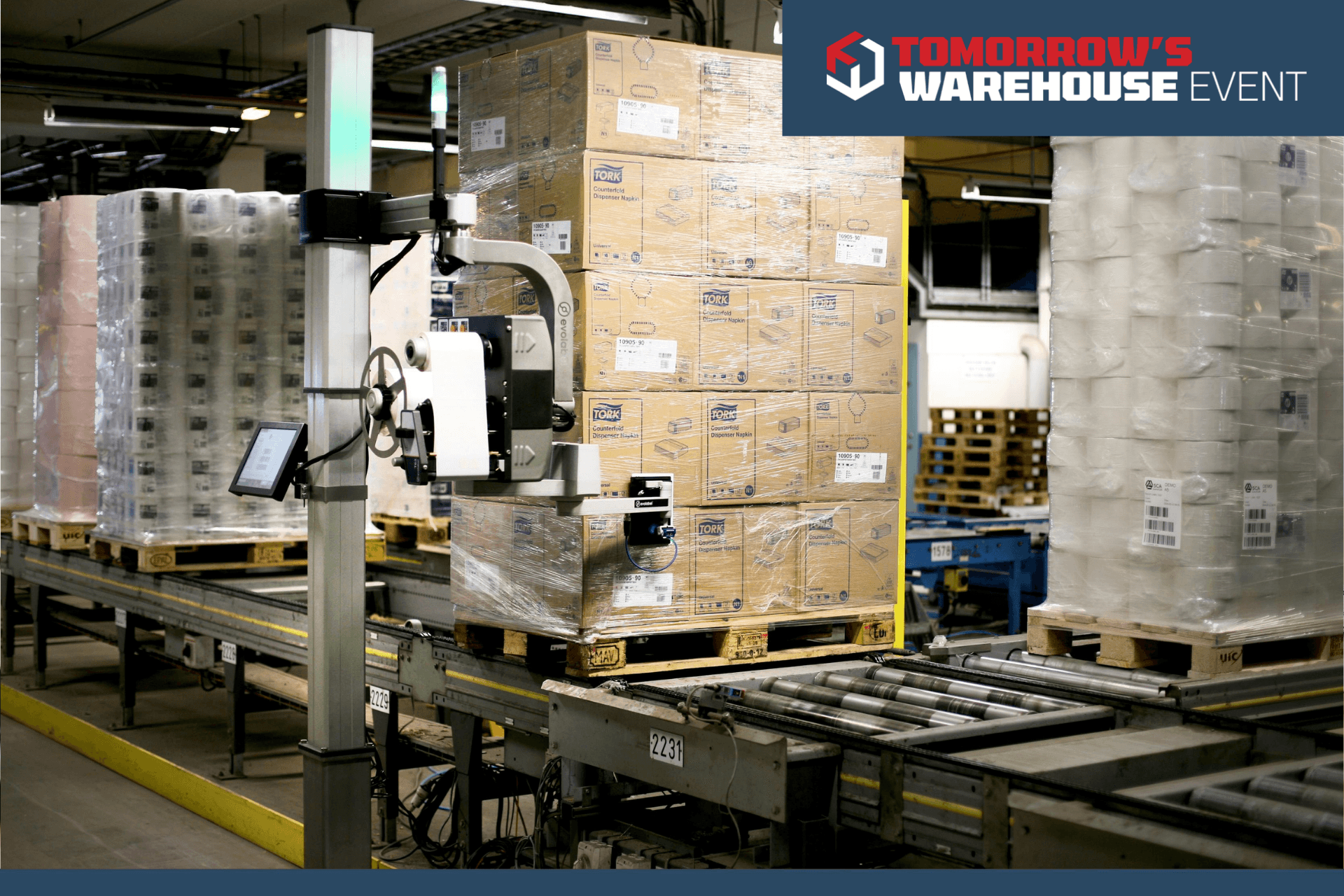
We are delighted to be exhibiting at Tomorrow’s Warehouse Manchester on Wednesday 30th September 2026.As one of more than 60 leading industry exhibitors, we are excited to invite you to connect with our team and explore how our innovative labelling systems can elevate your operations. We are offering personalised, interactive demonstrations to give you an up-close look at our labelling products in action.Read on to find out more about what is available on the day, explore key conference highlights, and learn how you can register to get involved.
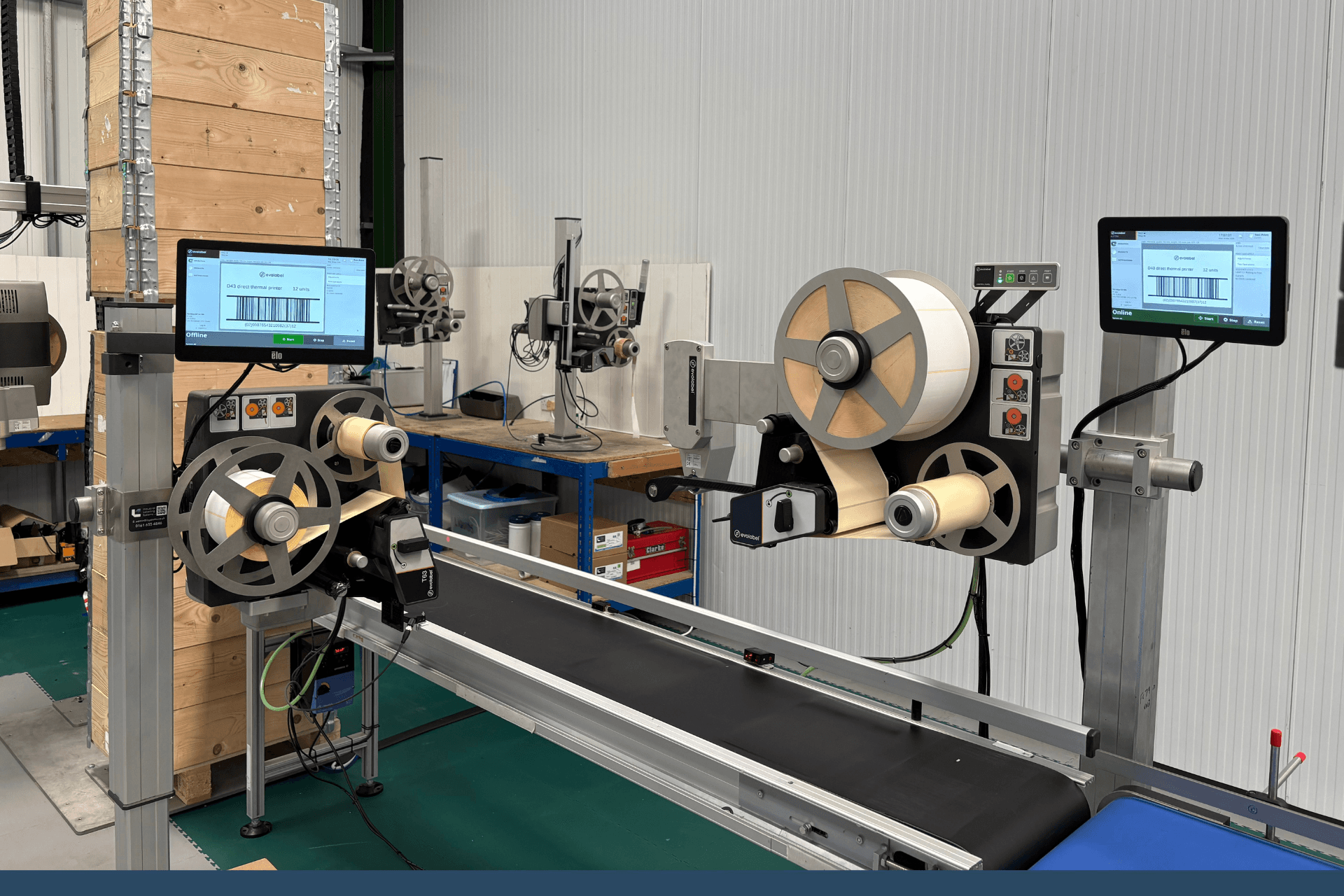
Automation should eliminate variables, not create them. Yet, many engineering and quality assurance (QA) managers rely on static data sheets that can't account for the unique pressures of their factory floor.If you want to move from specification to installation with total confidence, the only way to be sure is to see the results yourself. That’s why we’re inviting you to stress test your live production line at our facility, validating label adhesion, placement, and throughput accuracy before the equipment ever reaches your floor.