Why Modular Print and Apply Systems Are a Strong Investment
When packaging formats or customer demands change, fixed labelling machines can become a major operational liability. Modular print and apply systems solve this issue by allowing manufacturers to change how they apply labels without having to replace their existing machinery.
View Our Range of Print and Apply systems
What Makes a Print and Apply System Modular?
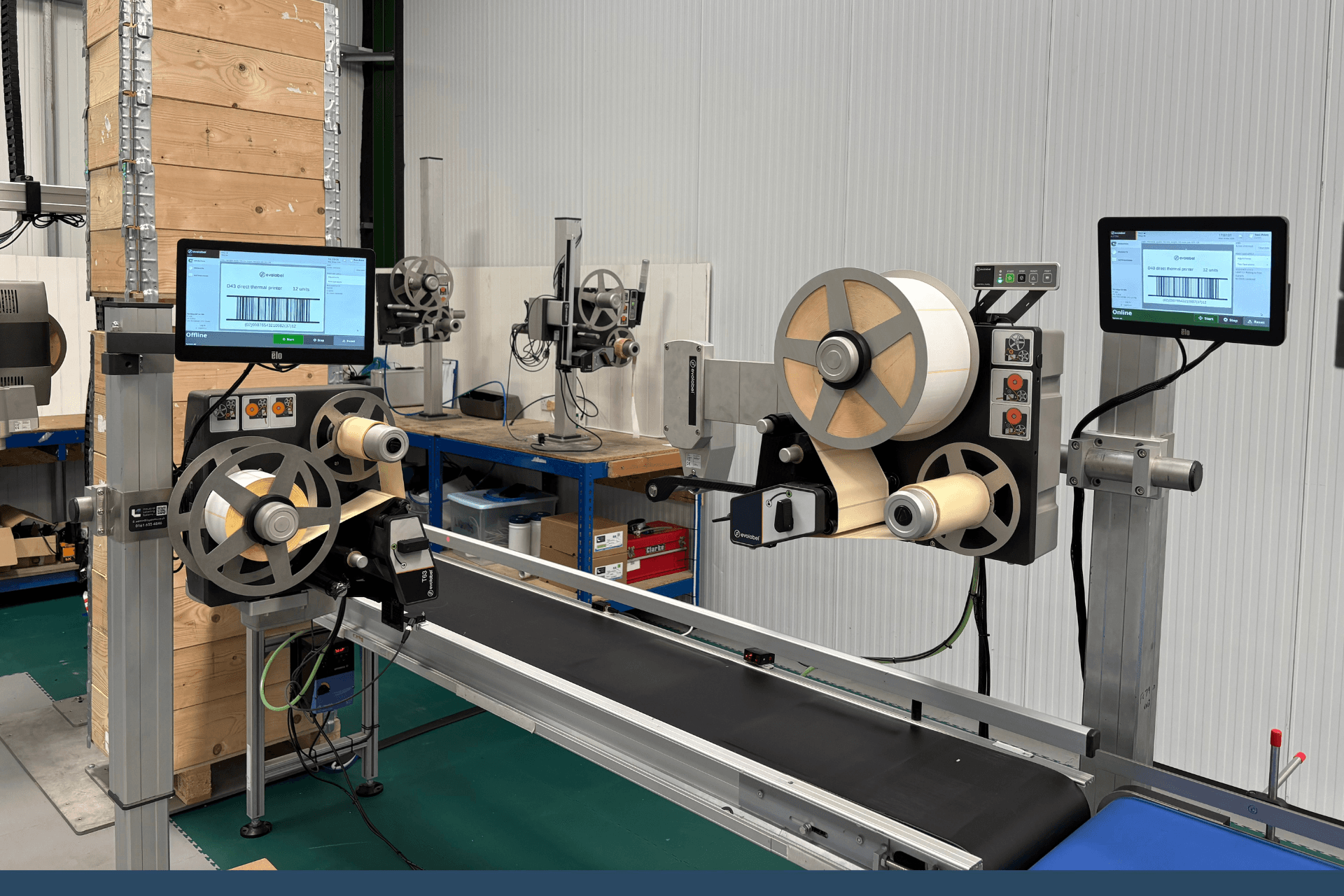
Modular labelling separates the core printing machine from the applicator mechanism. The base unit handles data, power, and label feeding, while interchangeable applicator heads attach to the front using standardised connectors.
In many applications, applicators can be exchanged with minimal mechanical and control system modifications. Common interchangeable options include:
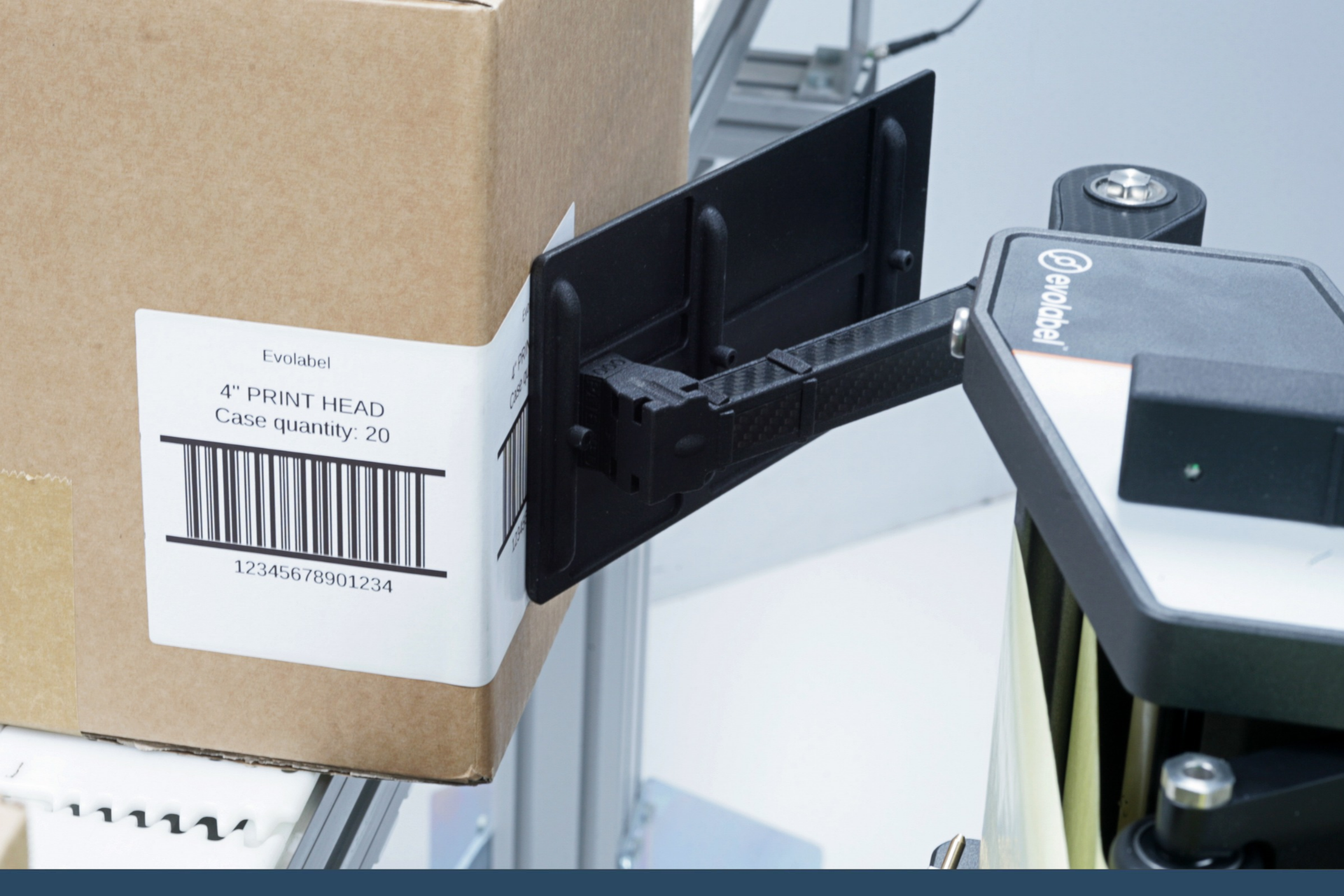
- Blow applicators: Use a quick jet of compressed air to apply labels to delicate or uneven products without touching them. For example, the BlowVac applicator.
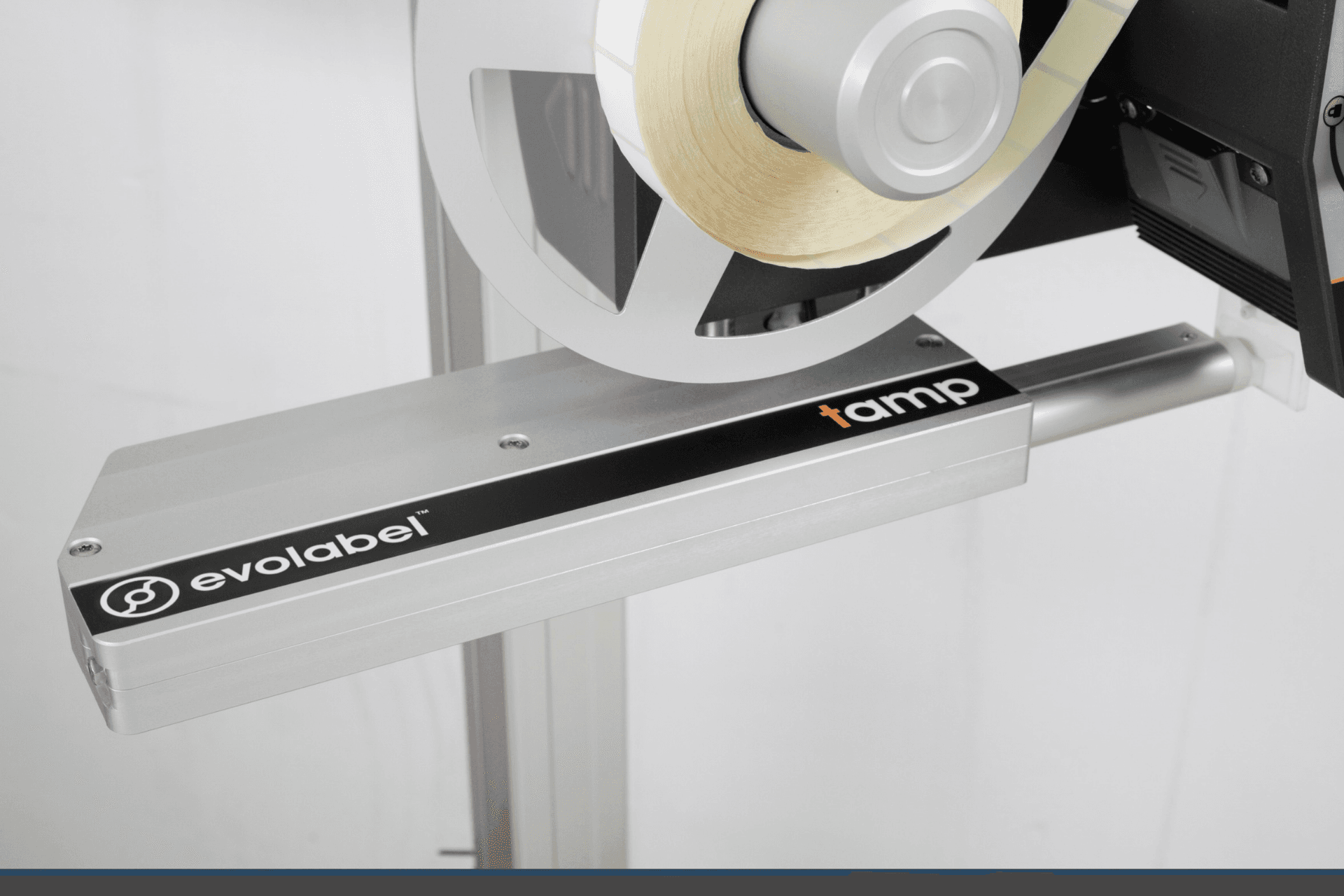
- Tamp applicators: Use a pneumatic tamp motion to apply labels with controlled contact, like the Tamp Applicator.
- Wipe applicators: Smooth labels onto moving boxes or containers, such as the FlexWipe Applicator.
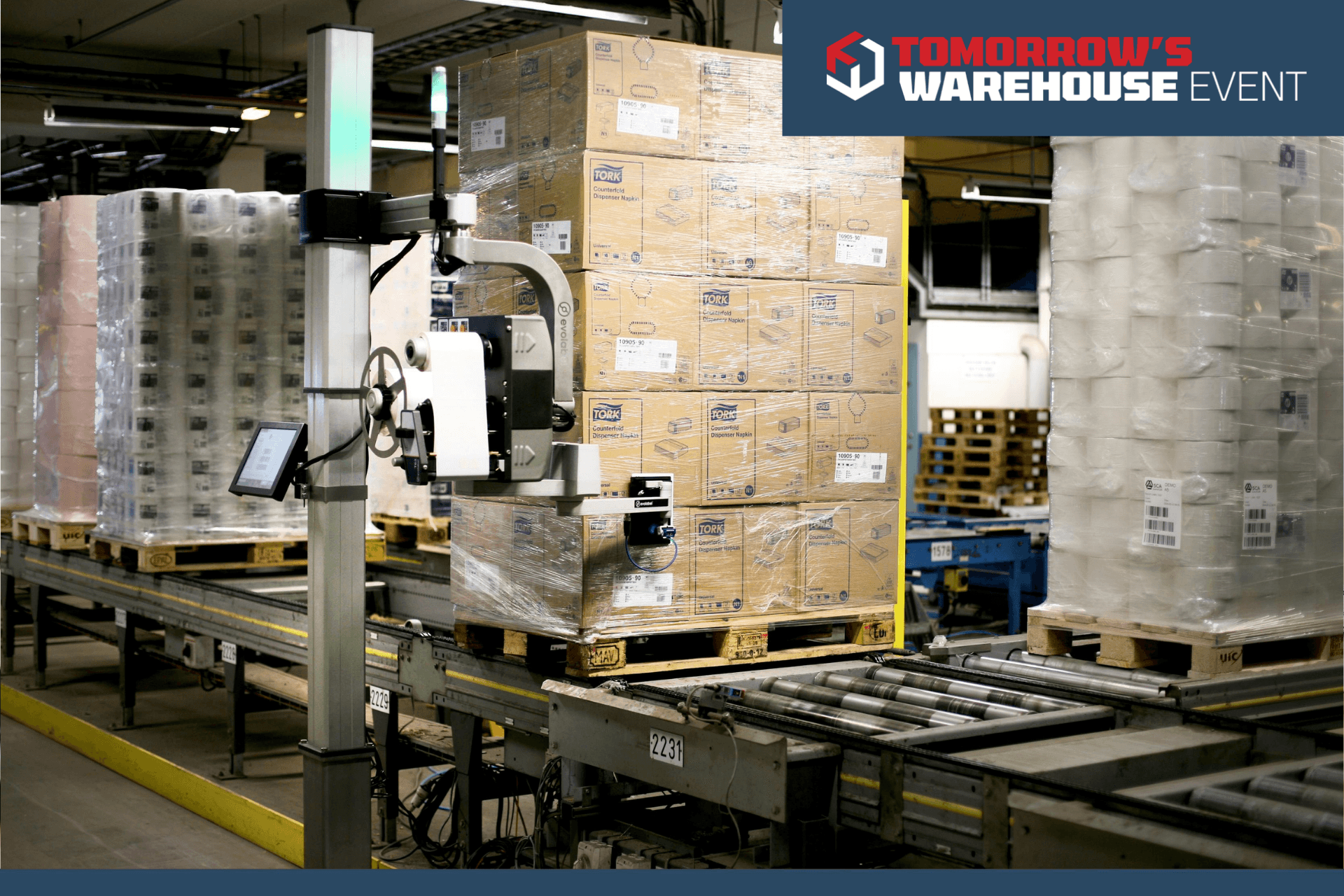
- Swing-arm applicators: Rotate through a controlled arc to apply labels to different panel positions on pallets or outer cases, including front, side and adjacent faces. For example, the Wipe G2 and Wipe 90 G2 Applicators.
One of the key advantages of a modular Print and Apply system is the ability to adapt the equipment to changing production requirements. Rather than replacing an entire labelling machine, businesses can often change the applicator type to suit new products, packaging formats or labelling positions.
Many Evolabel applicators share a common platform design, helping customers standardise operator training, spare parts inventory and maintenance procedures across multiple production lines.
This flexibility helps protect the original investment while reducing the cost and disruption associated with future production changes.
Why Modular Design Is Worth The Investment
While fixed-design labelling may cost less upfront, modular labelling is an essential investment for facilities looking to keep production moving while limiting costs in the longer term. Modular design offers significant benefits, across three key areas:
1. Reduced Long-term Expenditure
When product lines expand or retailer packaging standards change, replacing an entire labelling unit requires significant capital investment. With a modular setup, manufacturers only purchase a new applicator head, keeping the primary printer and software intact.
2. Lower Maintenance Downtime
Unplanned line stoppages can cost high-throughput facilities thousands. If a traditional machine develops a mechanical fault in its applicator, the whole packaging line stops until a technician fixes it.
With a modular unit, maintenance staff can remove and replace applicator modules quickly, helping minimise production downtime. Where spare applicators are available, faulty modules can be serviced offline while the production line continues operating.
Simpler Regulatory Compliance
In heavily regulated industries like food, drink, and pharmaceuticals, changing production machinery often requires lengthy validation processes to ensure product safety and traceability.
Modular systems simplify these regulatory reviews because the core printing software, data networks, and line controls remain unchanged when a module is swapped.
Which Modular Print and Apply System Is Best For My Facility?
With over 30 years of combined experience in the labelling and automation industry, we understand that no two labelling applications are the same. That’s why we specialise in custom Print and Apply labelling solutions designed around your exact requirements.
We will work with you to recommend the right print and apply solution for you, taking into consideration:
- Conveyor speed
- Products or packaging
- Where the label will be applied on the product
- Label size and format
And of course, if it’s easier, we can carry out a site survey to gather everything we need and ensure the perfect fit.
Whether you require case labelling, pallet identification or a bespoke application, our Evolabel range delivers reliable and efficient automated labelling solutions.
Get in touch
Frequently Asked Questions: Why Modular Print and Apply Systems Are a Strong Investment
What is the main difference between fixed and modular print and apply systems?
Modular systems separate the core printing machine from the applicator mechanism, allowing applicator heads to be swapped using standardised connectors. In contrast, fixed systems combine the printer and applicator into a single unit, requiring costly modifications or entire machine replacements when packaging formats change.
How do modular systems lower long-term equipment costs?
When packaging requirements or retailer standards change, facilities only need to purchase a new applicator head rather than replacing the primary printer, software, and data networks, significantly reducing costs in the long-term.
How do modular print and apply systems minimise maintenance downtime?
If an applicator module develops a mechanical fault, technicians can unfasten it and swap in a spare module within minutes, allowing production to continue while the faulty component is repaired offline.
What factors determine the right modular labelling solution for a production facility?
Key considerations include conveyor speed, where the label will be placed on the product, label size and format, and specific product characteristics. At ILS, we can help you to find the perfect solution for your facility. Get in touch.