The Advantages of Blow-on Application in High-speed Labelling
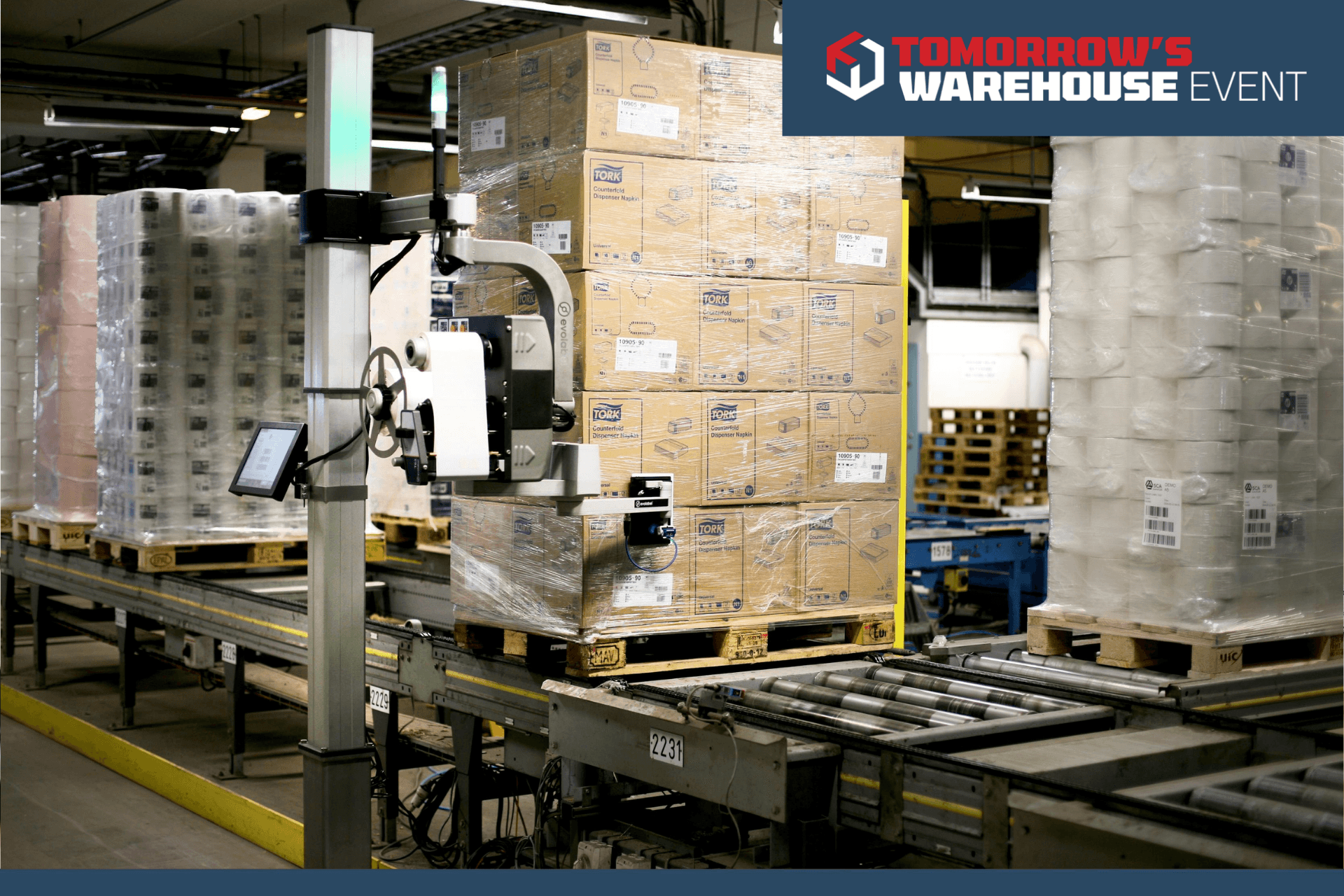
In many facilities, the maximum speed of the production line is influenced by the physical requirements of the labelling process. Traditional wipe-on or tamp applicators rely on perfect timing between the applicator arm and the moving product, which is effective for labelling rigid, uniform surfaces but can present challenges on high-velocity conveyors or when dealing with recessed and fragile packaging.
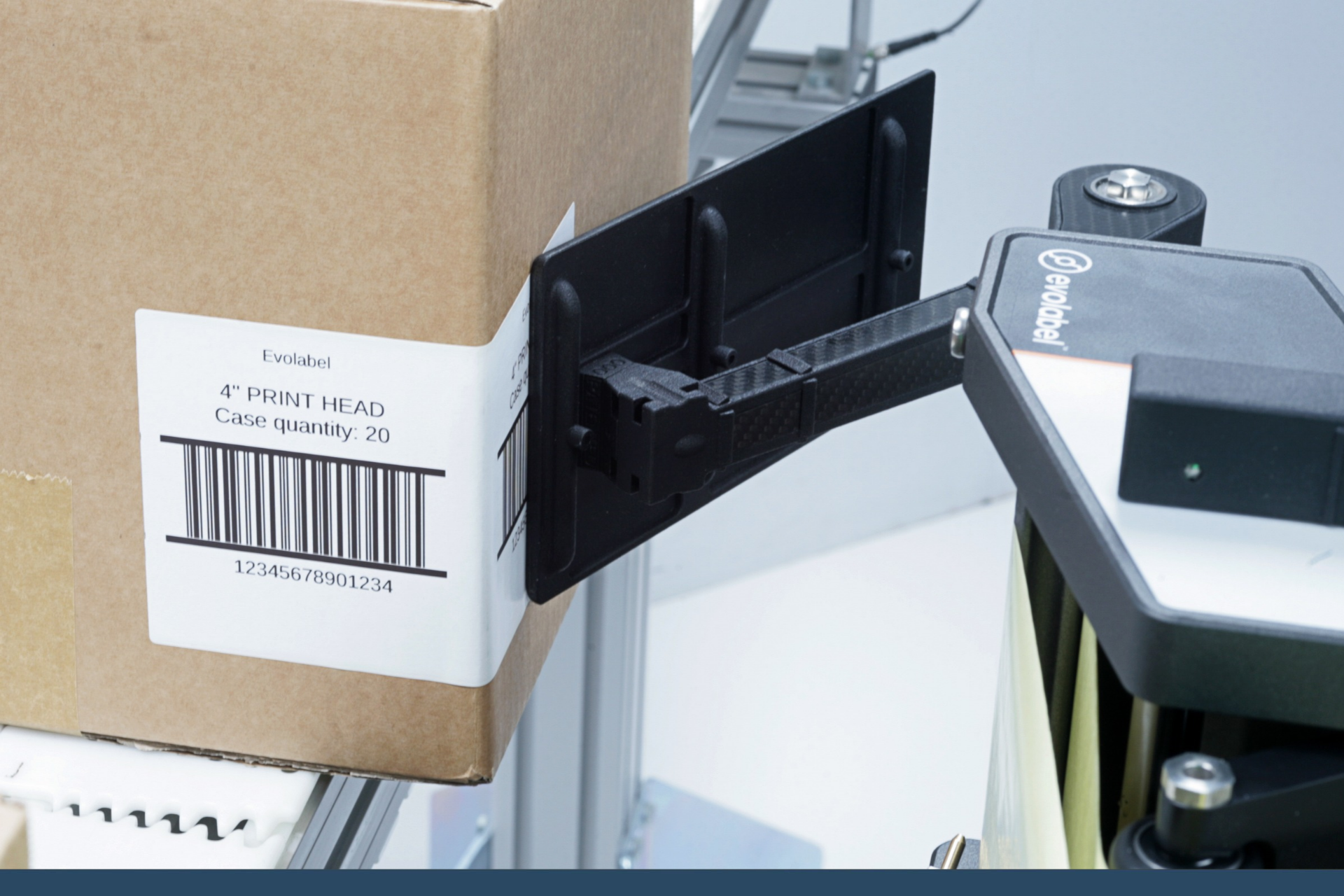
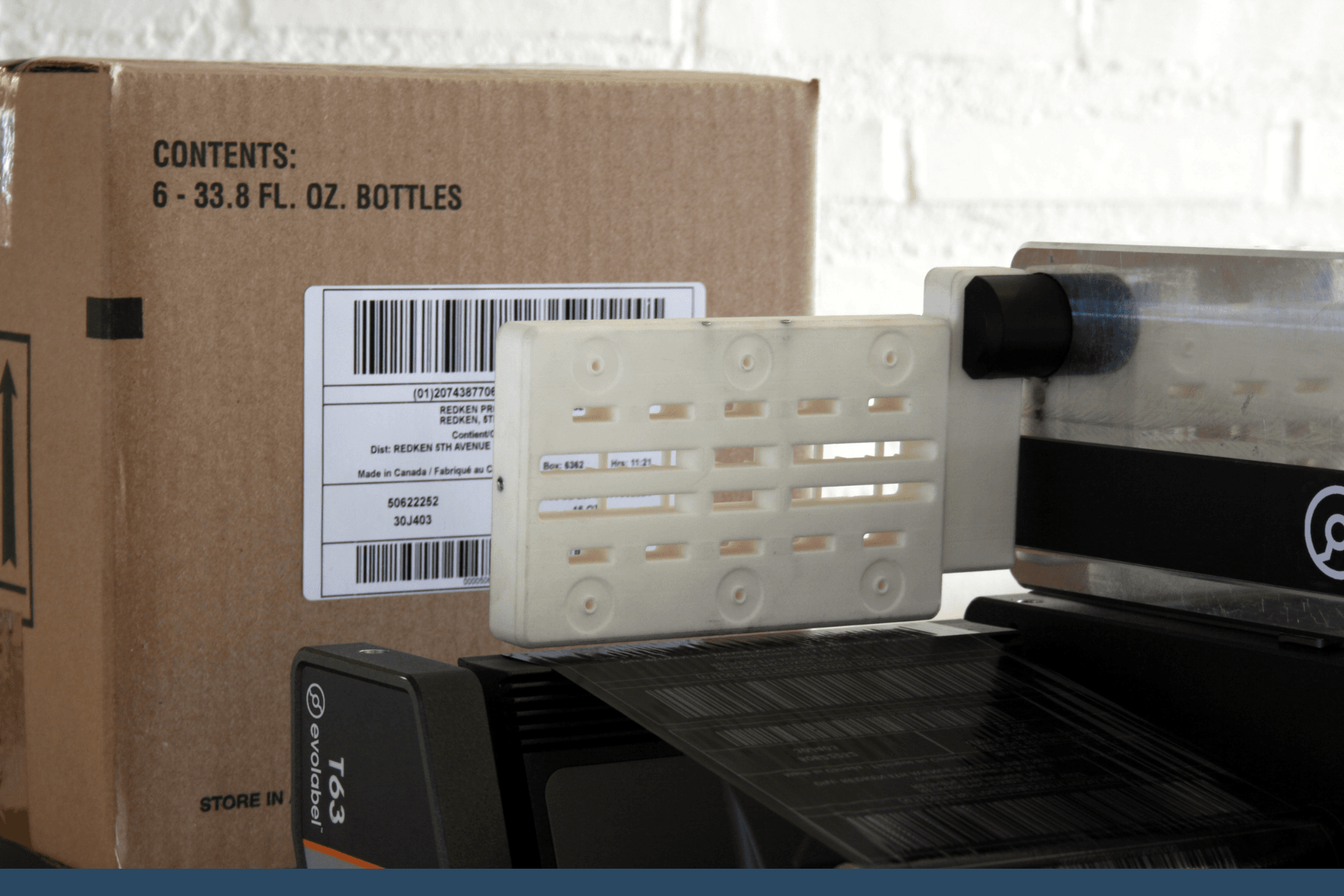
Blow-on applicators, such as the BlowVac, are specifically engineered for these types of environments because they replace physical contact with a precision air-blow sequence. By combining pneumatic motion with a precision air-blow release, blow applicators provide a reliable solution for applying labels with millimetre precision at speed.
How Blow-on Applicators Work
Unlike a standard tamp, which presses the label onto the product surface, the blow-on process uses a coordinated vacuum and air-release sequence to bridge the gap between the applicator and the product.
- Vacuum capture: The system secures the printed label using air-based suction, preventing label flutter at high speeds.
- Precision positioning: A pneumatic arm brings the label close to the product, accommodating recessed or uneven surfaces.
- Air-blow transfer: A controlled pulse of air applies the label, ensuring adhesion without the risk of product damage.
By removing physical contact, this method prevents wear on the applicator and avoids any risk of crushing or marking the product packaging, which is particularly important on high-speed lines. Another key factor is the importance of contactless applicators, as they improve hygiene by reducing the risk of contamination, making them especially valuable in environments such as food production.
The Benefits of Blow-on Label Application
1. Damage-free label application on delicate surfaces
When product packaging is lightweight or fragile, a non-contact method is often preferred. The BlowVac system applies labels via a precision air-blow, reducing the risk of damage to delicate packaging and products. This makes it the ideal choice for labelling items such as soft-fruit punnets, thin-walled plastic tubs, or pharmaceutical packaging.
2. Precision on irregular and recessed areas
Blow-on application allows labels to be fixed to uneven surfaces or products with recessed areas, such as the lids of tubs or indented label panels. The air-blow used in blow label application can bridge these gaps, ensuring the label adheres flat and secure, even when the target area is not level with the rest of the packaging.
3. Operational flexibility for variable product streams
Blow-on applicators, like the BlowVac, are specifically engineered to handle variances in product orientation and positioning through their ability to apply labels over a distance of up to 200mm. Because the label is discharged across this gap, the system remains effective even if the product surface is slightly offset or if there is a minor variance in packaging height. This provides the production line with a wider operating window, ensuring consistent throughput without the need for frequent adjustments or the risk of the applicator head colliding with an out of position item.
4. Label buffering for irregular product spacing
A primary challenge on high-speed lines is maintaining synchronisation when product spacing is irregular. Blow applicators address this by decoupling the printing cycle from the application stroke. Once a label is printed, it is held securely on the vacuum pad until integrated sensors detect that a product is in the correct position to receive it. By allowing the printer to prepare labels independently of the product flow, the system prevents line stoppages during inconsistent throughput.
Achieve Precise, High-Speed Labelling
Blow-on applicators provide an effective way to improve OEE (Overall Equipment Effectiveness) on high-speed lines. They bridge the gap between high throughput and high precision, ensuring that even the most delicate or irregularly spaced products receive accurate, compliant labelling without the risk of mechanical damage or line downtime.
If you’re looking to improve precision and eliminate product damage on your high-speed lines, our team is here to help. Get in touch today to discuss your requirements and discover how our labelling solutions can be integrated into your facility.
Contact UsPeople Also Ask
What is the maximum distance for a Blow-on applicator?
The BlowVac applicator can accurately apply labels at a distance of up to 200mm from the product, allowing for flexible line integration and the labelling of recessed areas.
Is Blow-on application faster than mechanical tamping?
Speeds depend on the specific model, but blow-on applicators are often more efficient for high-speed lines because the contactless sequence removes the need for the applicator head to make physical contact and retract from the product surface, reducing cycle times.
Does a Blow-on system require a lot of compressed air?
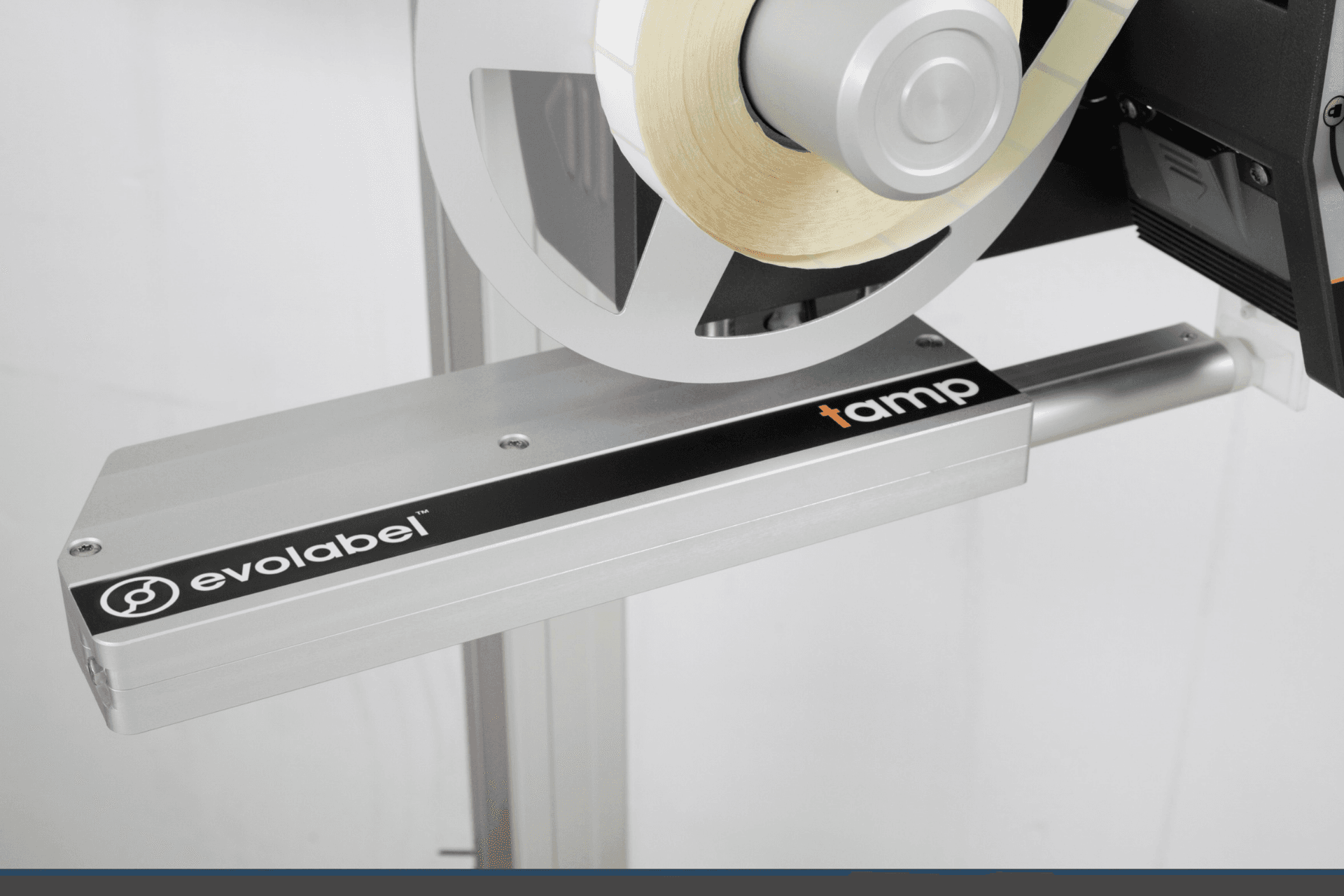
While the blow phase requires compressed air, for environments looking to minimise air use, the QuickTamp Airless is available as a low-air alternative for standard tamp applications.