GS1 Sunrise 2027: What the Move to 2D Barcodes Means for Product Labelling
Understanding GS1 Sunrise 2027 is becoming increasingly important for businesses involved in packaging, logistics, and product labelling.
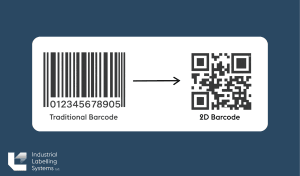
The way products are identified is evolving. GS1’s “Sunrise 2027” initiative introduces smarter barcode technology, with 2D barcodes such as QR codes and DataMatrix capable of holding far more information than traditional formats.
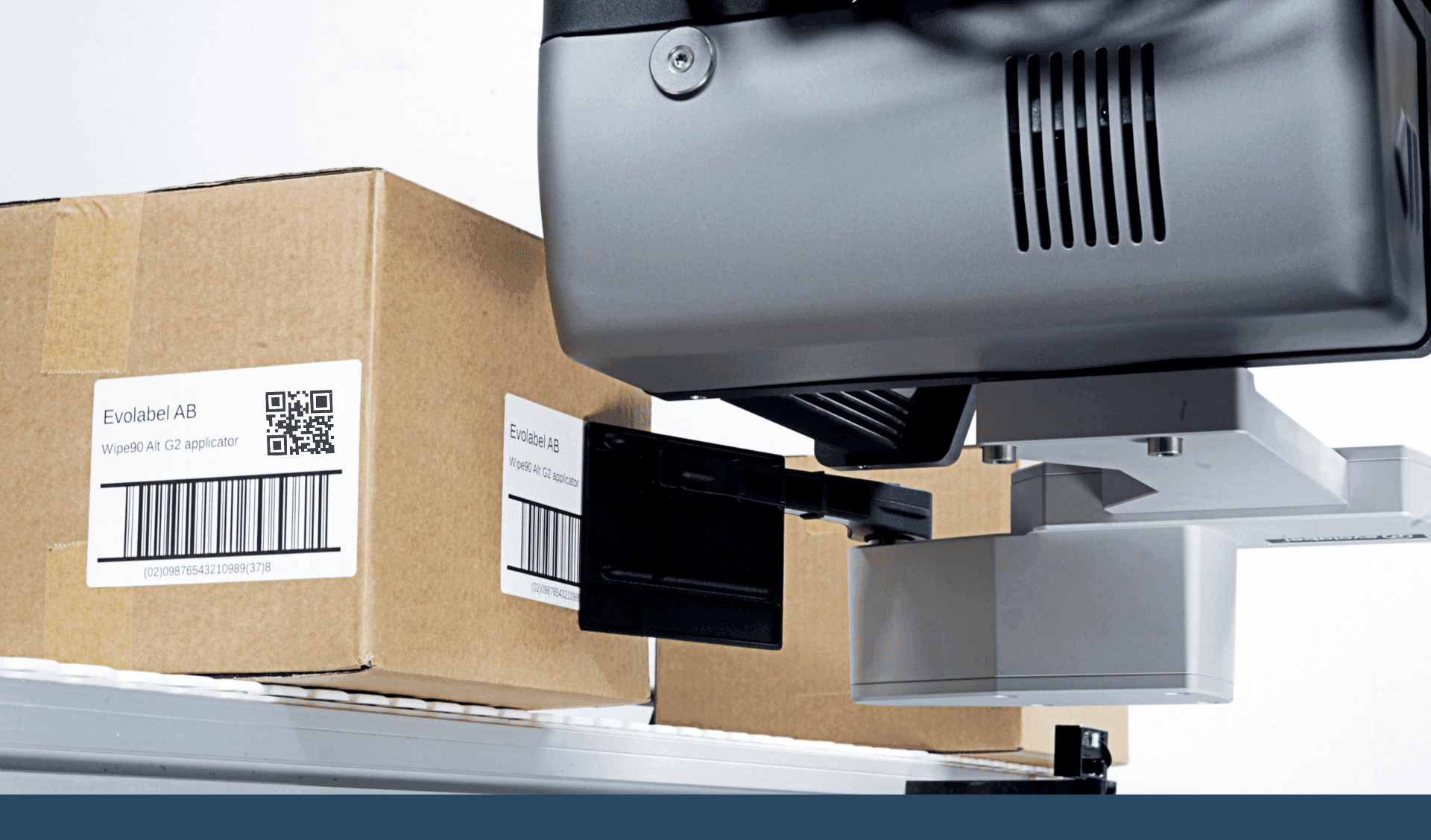
These codes can include details such as expiry dates, batch numbers, and links to digital product information. While driven by supply chain and retail needs, this shift will directly impact how labels are designed, printed, and applied.
What is GS1 Sunrise 2027?
GS1 Sunrise 2027 is a global initiative to introduce more advanced 2D barcode formats alongside traditional linear (1D) barcodes. While 1D barcodes have long been used to identify products, 2D codes can carry additional data that supports greater traceability and visibility throughout the supply chain. This added functionality enables improved product tracking, more efficient recalls, and enhanced access to information.
Rather than a complete or immediate replacement, the focus is on enabling systems to read and process both barcode types by 2027. This ensures a period of coexistence, allowing businesses to adopt 2D barcodes at a manageable pace while maintaining compatibility with existing infrastructure.[/vc_column_text]
Why GS1 Sunrise 2027 matters for product labelling
As barcodes evolve, label design and application become more critical. Poor print quality or inconsistent placement can affect scan reliability, particularly with data-dense 2D codes.
Key considerations include:
Even small inconsistencies can impact performance, especially in high-speed production environments.
The operational impact of GS1 Sunrise 2027 on labelling systems
As this transition develops, businesses will need to assess whether their existing labelling processes are fit for purpose.
Key questions include:
GS1 Sunrise is not just a technical change, it is a gradual shift in how products are identified across the entire supply chain. Both traditional and 2D barcode formats are expected to coexist for a period, meaning labelling processes will need to handle increased complexity.
For many businesses, this will involve more than a simple update. It may require reviewing equipment capabilities, label design standards, and overall production consistency to ensure that new barcode formats can be introduced without disruption.
Importantly, this is not something to leave until the last minute. While 2027 represents a readiness milestone rather than a hard deadline, businesses that begin preparing early will be in a stronger position to adapt as customer and retailer expectations evolve.
Taking small steps now can help avoid costly changes or operational challenges further down the line. Early preparation also provides the opportunity to test, refine, and implement improvements at a manageable pace, rather than under pressure as requirements become more widely adopted.
Working with an experienced labelling partner can help identify gaps and ensure a smoother transition.
Our perspective at Industrial Labelling Systems
At Industrial Labelling Systems, we work with manufacturers to ensure labelling systems remain accurate, reliable, and ready for change.
We support customers in assessing whether their existing Print and Apply systems can meet evolving requirements, including 2D barcode adoption. Our role is to identify where improvements may be needed in print quality, application accuracy, and overall system performance.
As barcodes evolve, the fundamentals remain critical:
These factors become even more important as codes carry more data and scanning expectations increase.
GS1 Sunrise 2027 checklist: is your labelling system ready?
Looking ahead
GS1 Sunrise 2027 signals a clear direction for the future of product identification. As more businesses begin to adopt 2D barcodes, labelling systems will need to keep pace.
For manufacturers and producers, this presents an opportunity to review current labelling setups and ensure they are adaptable, accurate, and ready for change.
At Industrial Labelling Systems, we’re closely following these developments and continuing to support our customers with practical, robust labelling solutions that meet evolving industry requirements.